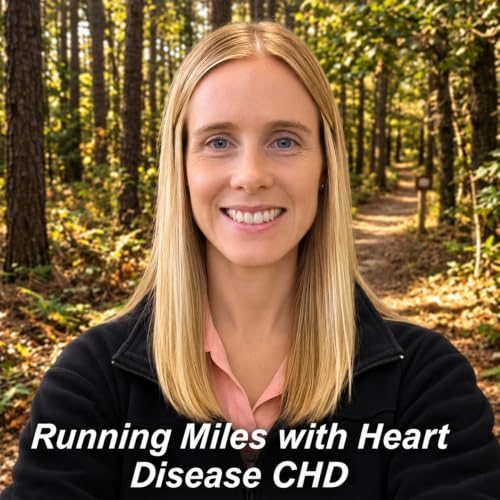
• CBD and the Ultrarunner- What Science Actually Says About Performance, Recovery, and Safety — with Danielle McCartney
    Nov 17 2026

    40 Plus Whole Foods, Running 100 Miles: CBD, Recovery & Endurance Running

    Can CBD really help ultrarunners sleep better, recover faster, reduce soreness, or improve performance? Or are some of the claims too good to be true?

    In this episode, we welcome Dr. Danielle McCartney, a researcher with approximately seven years of experience studying cannabinoids at the University of Sydney.

    We explore what the science actually tells us about CBD and what endurance athletes should understand before considering it.

    CBD has received a lot of attention in the athletic community, but the human research is still developing. Anxiety currently has some of the strongest supporting evidence. However, many popular claims about sleep, pain relief, inflammation, and muscle recovery have much less scientific support.

    We discuss:

    • Why CBD may help some people manage anxiety.

    • Why research has not shown strong evidence that CBD directly improves sleep.

    • What scientists know about CBD and muscle soreness, inflammation, and recovery.

    • Whether CBD affects running performance, VO2 max, heart rate, or energy use during exercise.

    • Why better sleep through reduced anxiety could potentially help recovery indirectly.

    We explore the endocannabinoid system, including CB1 and CB2 receptors, and how CBD interacts with other systems in the body.

    We also discuss bioavailability, why CBD is difficult for the body to absorb, how taking it with fatty food may increase absorption, and why people can respond very differently to the same dose.

    Not all CBD products are created equally. Many over-the-counter products contain much less CBD than the doses used in clinical research.

    We discuss:

    • Why clinical studies have often used doses of 300 mg or more.

    • Why this does not mean everyone should take that amount.

    • CBD isolate versus broad-spectrum and full-spectrum products.

    • Why inaccurate labels and contamination are concerns.

    • How a third-party Certificate of Analysis (CoA) can help you check product contents.

    CBD itself is permitted under current World Anti-Doping Agency (WADA) rules, but THC and certain other cannabinoids can create problems for competitive athletes.

    We discuss contamination risks, strict liability in sports, and upcoming rule changes expected in January 2027. Always check the latest rules and product testing before using cannabinoid products if you compete.

    CBD can interact with medications by affecting the enzymes that break down certain drugs. Higher doses may also raise liver enzyme levels.

    We discuss why athletes should speak with a doctor or pharmacist before using CBD, especially if they take medication or have an existing health condition.

    We also explore CBN, another cannabinoid receiving attention for sleep. Early research has shown some promising results, but more studies are needed.

    CBD is interesting, but it is not a miracle recovery product. Sleep, proper nutrition, carbohydrates, protein, hydration, and smart training should come first. We need more human research before we can confidently say CBD improves endurance recovery or athletic performance.

    Join us as we separate science from marketing and learn how to make better decisions as endurance athletes.

    CONNECT WITH DR. DANIELLE McCARTNEY

    📧 Email: danielle.mccartney@sydney.edu.au

    Thank you for listening to Running Miles with Heart Disease CHD!

    Keep moving forward, one mile at a time!

    WHAT DOES THE RESEARCH REALLY SAY?HOW CBD WORKS IN THE BODY CBD DOSING AND PRODUCT QUALITY CBD AND DRUG TESTING FOR ATHLETES SAFETY, MEDICATIONS AND HEART HEALTH WHAT ABOUT CBN?THE BIG TAKEAWAY

    Mehr anzeigen Weniger anzeigen
    1 Std. und 38 Min.
  • 40+ | Whole Foods | Running 100 Miles- Psychedelics — Can They Rewire Your Brain and Change Who You Are?
    Nov 14 2026


    What if certain substances could change the way your brain communicates, influence your beliefs, and potentially help people struggling with psychological trauma? Psychedelics are becoming an increasingly important subject in neuroscience and mental health research. But what does the science actually tell us?

    In this episode, we're exploring the fascinating science behind psychedelics, their potential benefits, and the questions researchers are still trying to answer.

    1. Psychedelics and Personal Transformation

    • Research involving military veterans receiving ibogaine and 5-MeO-DMT treatment.

    • Reported changes in spirituality, beliefs, identity, and perceptions of a higher power.

    • The difference between personal experiences and scientifically established outcomes.

    • Can a psychedelic experience change how someone sees themselves and the world?

    2. Neuroplasticity: Can Psychedelics Rewire the Brain?

    • What is neuroplasticity, and why is it important?

    • Understanding BDNF (Brain-Derived Neurotrophic Factor), a protein involved in neuron growth and connections.

    • How researchers are studying dendritic growth, synaptic connections, and brain repair.

    • The role of serotonin receptors, including 5-HT2A.

    • Can psychedelics promote changes in the brain that support mental health?

    • Can these changes happen without experiencing hallucinations?

    3. Beyond Traditional Psychedelics: Understanding Brain Chemistry

    • How ketamine, DMT, psilocybin, and other compounds interact with the brain.

    • What researchers are learning about TrkB, Sigma-1, BDNF, and other cellular pathways.

    • How harmala alkaloids found in ayahuasca preparations are being studied.

    • What are designer psychedelics, and why are scientists developing compounds that may produce brain changes without a traditional psychedelic experience?

    4. The Risks and the Other Side of the Science

    • How high-dose or repeated exposure to certain substances may affect brain cells.

    • Research involving MDMA, THC, and ketamine.

    • Potential concerns involving memory, brain development, overheating, and toxicity.

    • Why laboratory findings in animals cannot automatically be applied to humans.

    • Why controlled medical research is different from recreational drug use.

    Can psychedelics help people struggling with PTSD, depression, and trauma? Can they change our beliefs, emotions, and sense of identity? Are scientists discovering new ways to encourage brain plasticity? And could the future of mental health treatment involve changing brain chemistry without necessarily experiencing a psychedelic trip?

    This episode explores the science, the possibilities, and the unanswered questions. The goal isn't to promote psychedelic use, but to better understand what researchers are discovering.

    Important: This episode is educational and not medical advice. Research findings, particularly from animal and laboratory studies, should not be interpreted as proof of safety or effectiveness in humans.

    Running Miles with Heart Disease CHD

    Facebook:
    https://www.facebook.com/runningmileschd/

    Instagram:
    https://www.instagram.com/runningmileschd/

    Running Coach – Team RunRun:
    https://teamrunrun.com/coach/josh-sain-raleigh-running-coach/

    Email: RunningMilesCHD@gmail.com

    40+ | Whole Foods | Running 100 MilesPsychedelics: Can They Rewire Your Brain and Change Who You Are?What You'll LearnThe Big QuestionsConnect with Josh Sain

    Mehr anzeigen Weniger anzeigen
    3 Std. und 7 Min.
  • Tiny Joys- Finding Meaning, Connection, and Joy in Everyday Life with Sally Olsen
    Nov 9 2026
    Running Miles with Heart Disease CHDEpisode: Tiny Joys – Finding More Joy, Less Stress, and Balance in Everyday Life with Sally OlsenWhat if happiness isn't something we need to chase, but something we can find in the little moments throughout our day?In this episode, I sit down with Sally Olsen, author of Tiny Joys: 101 Science-Backed Practices for More Joy, Less Stress, and Happier, Healthier Days.Originally from Denmark, Sally shares her personal journey through burnout, chronic stress, insomnia, and recovery, and how those experiences inspired her to explore the science behind everyday happiness and well-being.We discuss why so many of us fall into the trap of thinking, "I'll be happy when..." and how constantly chasing the next milestone can cause us to miss the joy in the journey.Sally introduces us to seven categories of tiny joys, exploring how simple activities involving nature, movement, creativity, relationships, gratitude, and our senses can help us reconnect with the present moment.We also explore how these ideas apply to endurance athletes, particularly those dealing with injuries, setbacks, burnout, or the mental challenges of ultrarunning. Whether you're training for your next race or navigating difficult circumstances in everyday life, finding joy in the small things can make a difference.In This Episode, We Discuss:Sally's personal experience with burnout, stress, and insomnia.The science behind joy, happiness, and our nervous system.Why we get caught up in the "I'll be happy when" mindset.The seven categories of tiny joys.How walking, breathing, nature, and creativity can help us slow down.Finding joy outside of running and athletic goals.Managing mental burnout and navigating injuries.The difference between resilience and simply pushing through suffering.Gratitude, acceptance, self-forgiveness, and finding hope during difficult times.Practical ways to incorporate more joy into everyday life.About Our Guest – Sally OlsenSally Olsen is a Danish author and freelance journalist with an interest in neuroscience, positive psychology, healthy aging, and the science of well-being. Her experiences with stress and burnout inspired her debut book, Tiny Joys, which brings together 101 science-backed practices designed to help readers experience more joy and less stress.Connect with Sally and Find Her Book:📖 Tiny Joys – Official Website:https://tinyjoysbooks.com/📚 Purchase on Amazon:https://www.amazon.com/dp/B0HH464JD9📱 Kindle Unlimited:https://tinyjoysbooks.com/amazon📺 YouTube – Book Trailers and Videos:https://www.youtube.com/@TinyJoysBooks/shorts▶️ YouTube – Tiny Joys Books:https://www.youtube.com/@TinyJoysBooks/videos📸 Instagram:https://www.instagram.com/sally.olsen.author/ Goodreads: https://www.goodreads.com/author/show/15418468.Sally_Olsen A Little Something to Take AwayYou don't have to wait until you cross the finish line, reach your next goal, or get everything in life figured out to experience happiness.Sometimes the most meaningful moments are the smallest ones.As Sally's book reminds us: Don't chase happiness. Collect moments.If you enjoyed this episode, please consider subscribing, leaving a review, and sharing the podcast with someone who might benefit from the conversation.Thank you for listening to Running Miles with Heart Disease CHD!
    Mehr anzeigen Weniger anzeigen
    1 Std. und 34 Min.
  • 40+ Whole Foods • Running 100 Miles Unpacking Nicotine- The Science, Effects, and Risks
    Nov 7 2026

    🏃‍♂️❤️ 40+ Whole Foods • Running 100 Miles

    🎙️ NEW EPISODE — NOVEMBER 7, 2026

    Unpacking Nicotine: The Science, Effects, and Risks

    What does nicotine actually do to your body? Does it improve athletic performance, or are we simply feeling the effects of a stimulant?

    As ultra runners, we're always looking for ways to improve endurance, recovery, fueling, and overall health. But understanding what we put into our bodies is just as important as the miles we run.

    In this episode of Running Miles with Heart Disease, we're exploring five surprising scientific discoveries about nicotine, vaping, and how these products affect the body.

    🔬 5 THINGS ATHLETES SHOULD UNDERSTAND

    1️⃣ Nicotine delivery isn't as simple as the label.
    Clinical studies found that products with similar or even lower nicotine amounts can deliver different levels of nicotine into the bloodstream. Formulation, pH, and how the product releases nicotine all matter. The number on the package doesn't tell the whole story.

    2️⃣ Nicotine can affect your cardiovascular system.
    Nicotine can stimulate the nervous system, increase heart rate, and raise blood pressure. For endurance athletes, understanding these effects is important when considering cardiovascular health and long-distance training.

    3️⃣ Vaping isn't just about nicotine.
    Research in animal models found that inhaling e-cigarette aerosol caused blood vessels to constrict, even when the aerosol contained no nicotine. Researchers investigated the role of carrier ingredients and other aerosol components. These findings raise important questions, but animal results don't establish the same effects in human runners.

    4️⃣ More nicotine doesn't automatically mean more satisfaction.
    Clinical studies found that blood nicotine levels and subjective satisfaction don't always match. How a product feels, how quickly nicotine is delivered, and individual experiences can influence how people respond.

    5️⃣ Understand dependence and the reasons to quit.
    Nicotine is addictive. People may experience cravings, irritability, sleep problems, and difficulty concentrating when they stop. For smokers, quitting reduces exposure to carbon monoxide and many harmful chemicals in cigarette smoke. Counseling, support, and appropriate medications can help people quit.

    ❤️ WHAT DOES THIS MEAN FOR ULTRA RUNNERS?

    Nicotine may temporarily increase alertness, but that doesn't prove it improves endurance, running economy, or the ability to complete 100 miles.

    We need to understand the difference between feeling stimulated and actually improving performance.

    Nicotine isn't an essential nutrient, and there is no established reason for nicotine-naive athletes to start using it as a performance supplement.

    Our goal is to understand the science, ask better questions, and make informed decisions about our health.

    🎧 LISTEN NOVEMBER 7, 2026!

    📘 Facebook: https://www.facebook.com/runningmileschd/

    📸 Instagram: https://www.instagram.com/runningmileschd/

    🏃 Team RunRun: https://teamrunrun.com/coach/josh-sain/

    #RunningMilesWithHeartDisease #UltraRunning #Nicotine #Vaping #Running100Miles #WholeFoods #HeartHealth #EnduranceRunning #AthleteHealth #RunningNutrition #Podcast

    Mehr anzeigen Weniger anzeigen
    2 Std. und 55 Min.
  • Living Beyond the Diagnosis- Andy Czechanski on CHD and Endurance Sports
    Nov 2 2026

    Running Miles with Heart Disease CHDAndy Czechanski: From Congenital Heart Disease to Completing 100 Miles

    What happens when you're born with a serious heart condition, are told to avoid high-school sports, and eventually go on to complete a 100-mile ultramarathon?

    For Andy Czechanski, it's a story of determination, adaptability, and finding a way forward.

    Andy is a firefighter and battalion chief, paramedic, registered nurse, and EMS instructor. Born with transposition of the great arteries, he underwent the Senning procedure at just three months old in 1982.

    Growing up, Andy was discouraged from participating in athletics. He eventually discovered mountain biking, which opened the door to endurance sports. After years of challenging mountain bike and gravel races, he moved into ultrarunning, completing a 50-mile event and an incredible 108-mile race in Michigan's Upper Peninsula in 2024.

    In this episode, Andy shares his journey with congenital heart disease and how he learned to adapt his training to his body and his life.

    • Living with CHD: Andy's diagnosis, childhood surgery, and growing up with restrictions on sports.

    • Finding Endurance Sports: How mountain biking led him to ultrarunning.

    • The 108-Mile Challenge: His experience completing the Marji Gesick 100 in 2024.

    • Training with CHD: Using perceived effort, breathing, and time-based training rather than chasing traditional heart-rate zones.

    • Consistency Over Intensity: Why everyday movement and steady progress matter.

    • Race Nutrition: His preference for whole foods and the importance of practicing nutrition during training.

    • Being Your Own Advocate: Working with your cardiologist and finding activities appropriate for your individual condition.

    • Family and Balance: Managing endurance training alongside a demanding career and raising five children.

    Andy reminds us that CHD is part of your story, but it doesn't have to define your entire life. Every heart condition is different, and exercise recommendations should be individualized with guidance from qualified healthcare professionals.

    If one activity isn't right for you, that doesn't mean every door is closed. Find out what is possible, start where you are, and keep moving forward.

    You don't have to run 100 miles. Sometimes a daily walk is the beginning of something life-changing.

    Your heart condition is part of your story, but it doesn't have to be your whole story.

    Andy hopes to participate in the 2027 Marji Gesick 50-mile race alongside his son, but the event sold out quickly.

    If you're registered but become injured, have a change of plans, or can no longer participate, Andy would love to hear from you if you're willing to transfer your entry.

    Contact Andy: Andy.Czechanski@grandchutewi.gov

    Please coordinate any entry transfer through the race organizers and follow their official transfer rules.

    What We DiscussA Message for Anyone Living with Congenital Heart DiseaseHelp Andy and His Son Get to the Starting Line!

    Mehr anzeigen Weniger anzeigen
    2 Std. und 4 Min.
  • 40+ Whole Foods, 100 Miles — Week 4- Understanding CBD for Ultrarunners- Science, Safety & Recovery
    Oct 31 2026

    40+ Whole Foods, 100 Miles — Week 4: CBD & Ultrarunning: Separating Fact from Fiction

    What does science really tell us about CBD, pain relief, sleep, and recovery? And what should ultrarunners know before adding CBD to their routine?

    In Week 4 of 40+ Whole Foods, 100 Miles, we're taking a closer look at cannabidiol (CBD), exploring its history, the science behind its potential benefits, and the questions that endurance athletes should be asking.

    CBD has become a popular wellness product, with claims ranging from reduced soreness and inflammation to better sleep and faster recovery. But personal experiences, marketing claims, and scientific evidence don't always tell the same story.

    In this episode, we explore:

    • CBD and pain relief: What clinical research suggests about CBD for acute pain, chronic pain, and localized conditions—and where evidence remains limited or inconsistent.

    • Ultrarunning and recovery: What we know about CBD, post-workout soreness, muscle recovery, sleep, and athletic performance.

    • CBD versus THC: Understanding the difference between these cannabinoids, including their effects and potential risks.

    • The history of cannabis in America: How cannabis became restricted, how the 2018 Farm Bill changed the legal status of qualifying hemp, and why CBD regulation remains complicated.

    • CBD and safety: Potential side effects, liver concerns, medication interactions, product quality, and the risk of THC contamination.

    • Beyond painkillers: We also examine traditional pain relievers such as ibuprofen and emerging research into other recovery approaches, including palmitoylethanolamide (PEA). Natural doesn't automatically mean safe, and promising early research doesn't guarantee real-world benefits.

    The biggest takeaway? Being an informed runner means asking questions, examining the evidence, and understanding the risks before believing every promise attached to a supplement.

    Whether you're training for your first ultramarathon or preparing to run 100 miles, your recovery strategy should be based on more than hype. It should reflect your individual needs, your health, and the best available evidence.

    The strongest runner is an informed runner.

    Note: This episode is for educational purposes only and isn't medical advice. CBD research is still developing. CBD can interact with medications and may affect the liver. Consult a qualified healthcare professional before using it, particularly if you have a medical condition or take medication. Competitive athletes should also check current anti-doping rules and product contamination risks.

    Connect with Josh Sain and Running Miles with Heart Disease CHD

    Facebook: https://www.facebook.com/runningmileschd/

    Instagram: https://www.instagram.com/runningmileschd/

    Team RunRun Coaching: https://teamrunrun.com/coach/josh-sain-raleigh-running-coach/

    Listen on Spotify: https://open.spotify.com/show/6IjLmfQpEqPbHwX8wNrMyt


    Mehr anzeigen Weniger anzeigen
    3 Std. und 10 Min.
  • 40+ Whole Foods, 100 Miles- The Gut Microbiome and Ultra Running
    Oct 24 2026

    40+ Whole Foods, 100 Miles: The Gut Microbiome and Ultra Running

    What if becoming a stronger ultrarunner starts with something you can't see?

    Inside your gut lives a complex community of microorganisms called the gut microbiome. These microbes help break down food, produce important compounds, and interact with your immune system. But what does your microbiome mean for your health, recovery, and performance over 50 or 100 miles?

    This topic is personal. Learning about the many antibiotics received during infancy raises important questions: Could early antibiotic exposure have affected the gut microbiome? Could some changes last into adulthood? And can your choices today support gut health?

    Antibiotics are essential, sometimes lifesaving medicines, but they can also affect beneficial gut bacteria. Different antibiotics have different effects, and recovery varies. Your childhood experiences alone cannot prove that antibiotics caused you to get sick more often, but they can inspire you to explore the science of gut bacteria, immunity, and lifelong health.

    You've probably heard that fiber is good for you. Different types of fiber can feed different gut microbes.

    Clinical research suggests certain fibers can increase specific bacterial groups without necessarily increasing overall microbial diversity in the short term. Fiber can also influence short-chain fatty acids, including butyrate, which helps support the cells lining your colon.

    Eating varied plant foods—including vegetables, fruits, beans, lentils, whole grains, nuts, and seeds—is a practical way to get different fibers and nutrients. The popular goal of eating 30 different plant foods per week encourages variety, but it isn't a magic number or a guarantee of better health.

    When you're running 50 or 100 miles, fueling becomes a major part of your race strategy. Nausea, cramps, and difficulty tolerating food can derail even a well-prepared runner.

    Practice your race-day fueling during training. Learn which foods and drinks work for you, and gradually practice consuming the carbohydrates and fluids you need. Gut training is important for endurance preparation, although it isn't the same as changing your microbiome.

    You'll also explore how sleep, stress, exercise, and recovery may relate to gut health—and why popular microbiome claims deserve a closer look.

    Not necessarily. Probiotics aren't a universal solution for restoring the microbiome after antibiotics. Their effects depend on the strain, person, and purpose. More supplements don't automatically mean a healthier gut.

    • How the microbiome develops and changes throughout life

    • How antibiotics affect gut bacteria and why recovery varies

    • How fiber and plant diversity influence gut microbes

    • The evidence behind the 30-plants-per-week goal

    • Gut training, race-day fueling, and digestive problems

    • Potential links between gut health, immunity, inflammation, and cardiovascular health

    • Practical ways to support your gut without extreme diets or unnecessary supplements

    You don't need a perfect microbiome to become a stronger runner. Small, consistent choices can support your nutrition, training, and recovery.

    You train for the long run. Why not take care of your gut for the long run, too?

    Podcast: Running Miles with Heart Disease CHD
    Facebook: https://www.facebook.com/runningmileschd/
    Instagram: https://www.instagram.com/runningmileschd/
    Running Coach — Team RunRun: https://teamrunrun.com/coach/josh-sain-raleigh-running-coach/
    Email: runningmileschd@gmail.com

    Disclaimer: Educational purposes only; not a substitute for medical advice. Never avoid necessary antibiotics or change prescribed treatment without consulting your healthcare professional.

    Your Gut, Your History, Your HealthFiber: More Than Just a NumberTrain Your Gut for the Long RunAre Probiotics the Answer?In This Episode, You'll Explore:Connect With Josh

    Mehr anzeigen Weniger anzeigen
    2 Std. und 19 Min.
  • Sleep, Recovery & Ultra Running with Dr. Ian Dunican
    Oct 19 2026

    Sleep, Recovery & Ultra Running with Dr. Ian Dunican

    What if the most important part of your training isn't another workout, but the recovery you're giving your body?

    In this episode of Running Miles with Heart Disease CHD, I sit down with Dr. Ian Dunican, sleep researcher, performance consultant, and experienced ultrarunner, to discuss the science of sleep and its impact on endurance performance.

    With experience in the Irish military, elite sports, and ultrarunning, Ian shares practical, evidence-based strategies to improve sleep, manage fatigue, and make better decisions when we're exhausted.

    We discuss caffeine timing, alcohol, stress, sleep tracking, and why the weeks leading up to a race matter more than one night of poor sleep. We also explore sleep deprivation during 100-mile races, hallucinations, aid station decisions, race-day planning, and why recovery deserves as much attention as training.

    Whether you're training for your first marathon or preparing for your next 100-miler, this conversation offers practical ways to prioritize sleep, improve recovery, and support long-term health.

    Website: https://sleep4performance.com/

    Sleep4Performance Podcast: https://sleep4performance.podbean.com/

    Instagram: https://www.instagram.com/sleep4perform/

    Facebook: https://www.facebook.com/sleep4perform/

    X (Twitter): https://twitter.com/sleep4perform

    LinkedIn: https://www.linkedin.com/in/dr-ian-c-dunican-115b0a14/

    YouTube: https://www.youtube.com/@sleep4performance463

    TEDx Talk – “Sleep in... and win!”: https://www.ted.com/talks/ian_dunican_sleep_in_and_win

    📘 A Guide for Sleep Health & Shiftwork: Practical Strategies for Individuals & Organisations — co-authored with Dr. Tim Smithies.

    Paperback (Australia): https://melius.training/product/a-guide-for-sleep-health-shiftwork-paperback/

    eBook: https://melius.training/product/a-guide-for-sleep-health-shiftwork-ebook/

    📘 Managing Sleep and Jet Lag for Optimal Performance — co-authored with Dr. John Caldwell.

    Find information about the book: https://www.researchgate.net/publication/283297403_Managing_Sleep_and_Jet_Lag_for_Optimal_Performance

    🎓 Sleep & Thrive: Essential Strategies for Fatigue Management

    A self-paced course covering sleep science, circadian rhythms, caffeine, alcohol, stress, and practical sleep strategies.

    https://melius.training/product/sleep-health-and-fatigue-education/

    🥊 Sleep to Win: Maximising Recovery & Performance in Combat Sports Athletes

    Learn about sleep, recovery, performance, fatigue, and training.

    https://melius.training/product/combat-sports/

    Running Miles with Heart Disease CHD explores endurance running, ultramarathons, heart health, training, nutrition, recovery, and the people who help us become healthier athletes.

    Thank you for listening and supporting the show!


    Connect with Dr. Ian DunicanBooksOnline CoursesFollow the Show

    Mehr anzeigen Weniger anzeigen
    1 Std. und 45 Min.