• Creating Space Around Body Image
    Feb 25 2026

    Concerns about our bodies are common and part of being human. For some people, they remain occasional worries. For others, they begin to take up more attention, influence mood and shape everyday choices about food, movement, relationships and confidence.

    In this episode of The Choice Space, Dr Lee David is joined by Joanna Silver, a psychologist specialising in eating disorders and body image difficulties, to explore why appearance-related distress can become so persistent – and what can genuinely help.

    They discuss body image as something that exists on a continuum, from everyday dissatisfaction to more intense distress that narrows attention and reduces quality of life. Joanna explains how self-worth can become overly linked to weight or shape, why comparison often increases distress, and how cultural messages, family language and social media all shape how we relate to our bodies.

    Rather than framing body image as something to fix or eliminate, the conversation approaches it as a relationship – one that can soften and become more balanced over time. They explore why change is rarely linear, how shame thrives when concerns stay hidden, and why curiosity and kindness are often more helpful than self-criticism.

    The episode also includes a Choice Pause – a short, guided moment to help create space from comparison and reconnect with what matters in the present moment.

    This is a compassionate, practical discussion about understanding body image distress and finding steadier ways to care for our bodies, even on difficult days..

    Key moments

    00:39 Why body image concerns are common and when they become more distressing
    03:50 When self-worth becomes tied to appearance
    07:12 How family, culture and language shape body image
    09:16 Comparison, social media and increased distress
    11:26 Signs body image concerns may be affecting daily life
    15:27 Shame, secrecy and the value of talking
    19:31 The Choice Pause creating space from comparison
    22:04 Relating to body image as a relationship
    28:47 Shifting focus from appearance to function
    35:15 Body distress as a signal
    40:34 Small steps towards a kinder relationship with the body

    About the Guest

    Joanna Silver is a Counselling Psychologist who specialises in working with people affected by Eating Disorders, Body Dysmorphic Disorder and body image problems. She works as the Lead Psychological Therapist at Orri, a treatment centre for people with Eating Disorders. I am passionate about bringing compassionate, evidence-based conversations about mental health and body image into the public space.

    You can connect with Joanna via Linked in

    Beat eating disorders charity

    About the host

    Dr Lee David is a GP, CBT therapist and author specialising in mental health and wellbeing. Lee has written many books on CBT, mindfulness and teen wellbeing, and speaks regularly at conferences and in the media. Away from work she enjoys running, hiking, singing in a choir and spending time outdoors with her family. You can find Lee through her website and on Instagram, TikTok (@dr.lee.david), Facebook and LinkedIn. You can find more about her books, wellbeing courses and therapy here: https://linktr.ee/dr.lee.david

    Mehr anzeigen Weniger anzeigen
    43 Min.
  • Finding Connection Through Singing
    Feb 18 2026

    There’s something quietly powerful about singing alongside other people. Music is known to support emotional wellbeing, and singing in a group brings breath, sound and attention together in a shared space. Shared voices and shared rhythm can create a sense of connection and ease, even when life feels busy or full.

    In this episode, Dr Lee David speaks with Glen Harvey – musician and long-standing choir leader with Rock Choir – about what he has observed over many years of bringing people together to sing, and why community choirs often become meaningful spaces for wellbeing and connection.

    They explore how singing supports both body and mind through breath, posture and movement, and how it can help people feel more present and settled without needing to analyse or fix anything. Glen shares why people from very different backgrounds are drawn to choir, and how a sense of belonging often develops naturally when the focus is on the shared experience rather than performance.

    The conversation also touches on the thoughts that can sometimes hold people back, such as self-criticism or worry about getting things wrong, and how community singing gently shifts attention away from judgement and towards being in the moment together.

    Highlights & Key Moments

    00:00 Singing as a shared experience
    02:08 Glen’s journey into choir leading
    03:49 Why singing together feels different from singing alone
    05:16 Stress, breath and the physical effects of singing
    08:04 Posture, breathing and confidence
    10:22 Thoughts that can hold people back from singing
    13:10 Letting go of perfection in performance
    18:40 The Choice Pause – settling with sound
    22:13 Attention, anxiety and staying present
    26:03 Music as a way of quietening a busy mind
    27:00 Why people come to choir
    29:37 Inclusivity, kindness and feeling safe in groups
    33:21 A simple music-based takeaway

    About the Guest

    Glen Harvey is a versatile musician and choir leader with advanced skills as a vocalist, pianist and guitarist. He trained at the Academy of Contemporary Music and first became known as a semi-finalist on Pop Idol in 2003. He's been leading Rock Choirs for over 16 years, spreading harmonies and laughter across Hampshire, Berkshire, Northern Ireland and soon the Republic of Ireland.

    A master of turning strangers into friends and choirs into families, he’s sung everywhere from Abbey Road to Wembley, for audiences of up to 20,000 people, from royalty to George Clooney. At home in Farnham with his wife Lisa and their three children, Glen swaps his microphone for gardening gloves, gym gear or a dinner menu. Whether on stage or in the garden, he’s all about growing joy – one song, one laugh, one memory at a time.

    Connect with Glen: Instagram @glenharveymusic

    Find out more about Rock Choir via their website

    About the host

    Dr Lee David is a GP, CBT therapist and author specialising in mental health and wellbeing. Lee has written many books on CBT, mindfulness and teen wellbeing, and speaks regularly at conferences and in the media. Away from work she enjoys running, hiking, singing in a choir and spending time outdoors with her family. You can find Lee through her website and on Instagram, TikTok (@dr.lee.david), Facebook and LinkedIn. You can find more about her books, wellbeing courses and therapy here: https://linktr.ee/dr.lee.david

    Mehr anzeigen Weniger anzeigen
    39 Min.
  • Moving Beyond Shame Around Our Identity
    Feb 11 2026

    Shame is rarely spoken about openly, yet it quietly shapes how many people see themselves and relate to others. It can affect how safe we feel, whether we believe we belong and how harshly we judge ourselves. For many people, shame grows from repeated experiences of feeling different, criticised or not quite fitting in.

    In this episode, Dr Lee David speaks with Simon Lyne – CBT therapist with specialist experience in shame, identity, sexuality and trauma – about how shame develops, why it can feel overwhelming and how it becomes closely tied to our sense of self.

    They explore shame as a deeply human response linked to our need for connection and acceptance, often shaped early in life through family relationships, school experiences and social messages. Simon describes how shame differs from guilt and how it can drive patterns such as perfectionism, people-pleasing, withdrawal or anger as ways of coping.

    The conversation also looks at the cumulative impact of repeated comments, assumptions and experiences of exclusion, particularly for LGBTQIA+ individuals and others from marginalised groups, and why this makes shame harder to shift through individual effort alone.

    Alongside this, Lee and Simon discuss how compassion – from others and towards ourselves – can help dismantle shame, supporting values-led choices, connection and resilience.

    This is a grounded conversation about naming shame gently, finding safe relationships and creating room for self-acceptance in everyday life.

    Key moments

    00:00 Shame, identity and belonging
    03:08 What shame is and why it runs so deep
    06:14 Shame and the sense of being fundamentally wrong
    09:50 How shame shapes behaviour in adult life
    11:23 Why shame thrives in secrecy
    14:09 The impact of repeated exclusion and micro-messages
    15:31 Compassion as a way of softening shame
    18:39 Choice Pause – a moment of self-kindness
    28:57 Guilt versus shame and self-blame
    37:46 Choice Space Takeaway – small steps towards kindness and connection

    About the guest

    Simon Lyne is an accredited CBT therapist, psychosexual psychotherapist, and published author practising within the NHS and private practice. His specialised areas include shame, sexuality, working with queer communities, and relational trauma. He combines CBT with EMDR and compassion-based approaches, offering nuanced, client-centred support.

    https://simon-lyne.squarespace.com/

    About the host

    Dr Lee David is a GP, CBT therapist and author specialising in mental health and wellbeing. Lee has written many books on CBT, mindfulness and teen wellbeing, and speaks regularly at conferences and in the media. Away from work she enjoys running, hiking, singing in a choir and spending time outdoors with her family. You can find Lee through her website and on Instagram, TikTok (@dr.lee.david), Facebook and LinkedIn. You can find more about her books, wellbeing courses and therapy here: https://linktr.ee/dr.lee.david

    Mehr anzeigen Weniger anzeigen
    39 Min.
  • Changing How We See Weight And Health
    Feb 4 2026

    Weight is often treated as a simple matter of willpower or discipline, yet for many people it carries a heavy burden of shame and judgement. Conversations about weight can feel exposing and personal, making it harder to seek support or make changes that genuinely improve health.

    In this episode, Dr Lee David is joined by Dr Hussain Al-Zubaidi – GP and lifestyle medicine specialist – to explore why shame is so closely linked to weight, and why focusing only on the number on the scales often misses what really matters.

    They discuss obesity as a complex, long-term health condition shaped by biology, genetics, environment, stress, sleep and social context, rather than personal failure. Hussain shares insights from his clinical work, including how stigma – sometimes within healthcare itself – can undermine confidence, motivation and access to care.

    The conversation looks at why behaviour change is rarely linear, how self-criticism can derail progress, and why compassionate, realistic approaches are more likely to support long-term health. They also discuss weight-management medication – when it may be helpful, why it attracts stigma, and how informed decision-making can support wellbeing.

    This is a thoughtful discussion about shifting the focus from weight to health, understanding the forces that shape our choices, and finding kinder, more sustainable ways to care for our bodies.

    Key moments

    00:00 Health gained versus weight lost
    02:02 Personal experiences of shame and weight
    03:33 Why weight is seen as a personal failing
    05:30 Stigma, bias and their impact on care
    07:19 Self-criticism and behaviour change
    10:33 The value of shared support
    12:44 Why advice alone rarely leads to change
    15:40 The wider drivers of obesity and environment
    22:38 Understanding weight-management medication
    27:11 Making health decisions without shame
    30:46 Why change is non-linear
    33:18 Environments that support healthier choices
    37:10 Measuring success through health, not scales

    About the Guest

    Dr Hussain Al-Zubaidi is a GP with an extended role in lifestyle medicine and personalised care lead for the Leamington PCN. He is the RCGP lifestyle and physical activity champion, heads the UK’s first PCN-based fitness club, appears as a TV on This Morning and GMB and is parkrun’s Health Partnerships lead. He is also a trustee at ThinkActive, sits on the advisory board for Swim England and leads the Red Whale Lifestyle and Obesity medicine courses. Outside work, he’s is a keen triathlete who has represented his country.

    You can find Hussain on Instagram and LinkedIn

    Find the Red Whale obesity medicine course

    About the host

    Dr Lee David is a GP, CBT therapist and author specialising in mental health and wellbeing. Lee has written many books on CBT, mindfulness and teen wellbeing, and speaks regularly at conferences and in the media. Away from work she enjoys running, hiking, singing in a choir and spending time outdoors with her family. You can find Lee through her website and on Instagram, TikTok (@dr.lee.david), Facebook and LinkedIn. You can find more about her books, wellbeing courses and therapy here: https://linktr.ee/dr.lee.david

    Mehr anzeigen Weniger anzeigen
    39 Min.
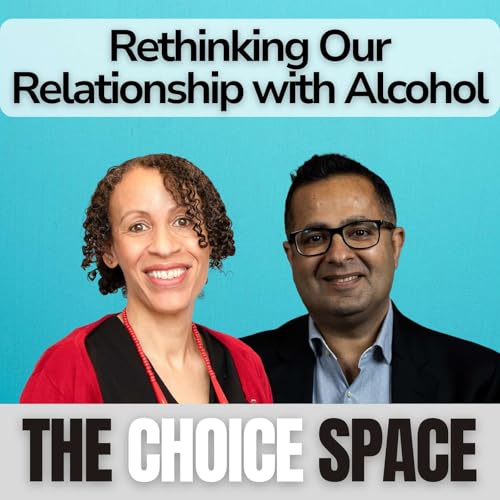
  • Rethinking Our Relationship With Alcohol
    Jan 28 2026

    Alcohol is woven into many people’s daily lives as a way to unwind, connect or mark the end of the day. For some, it can also become a way of managing difficult emotions, stress or disconnection, often without feeling like a “problem” in the traditional sense.

    In this episode, Dr Lee David speaks with Navneet Singh – psychotherapist and addiction specialist – about how people develop relationships with alcohol and why those relationships can be hard to change, even when drinking starts to feel unhelpful.

    They explore what alcohol offers emotionally and socially, and how it can act as a short-term way of regulating feelings such as overwhelm, shame or boredom. Navneet describes how drinking patterns are often shaped by earlier experiences, trauma, identity and the need for connection.

    The conversation also looks at why knowledge alone is rarely enough to create change, and how boredom, disconnection and loss can increase the pull towards alcohol. Together, they reflect on the role of compassion, curiosity and supportive relationships in creating more choice and flexibility around drinking.

    This is a thoughtful discussion about understanding what alcohol does for us, noticing patterns gently and finding alternative ways to meet underlying needs.

    Key moments

    00:00 Exploring our drinking patterns
    02:13 How alcohol fits into culture and social interaction
    04:50 Language, shame and why labels can get in the way
    07:18 Alcohol as pleasure, avoidance and emotional regulation
    12:46 Trauma, shame and alcohol as an unhealthy medicine
    16:29 Why change is hard and often slow
    17:56 Boredom, disconnection and the pull towards alcohol
    23:48 Choice Pause – creating space around urges
    27:09 Why support and community are so important
    40:12 Choice Space Takeaway – inquiry, connection and small steps

    About the guest

    Navneet Singh is a psychotherapist, group facilitator and addictions specialist. He works with NHS Practitioner Health and in private practice, bringing an integrative approach shaped by clinical experience, leadership roles and long-term personal recovery.

    His earlier career in hospitality and involvement in establishing a residential rehabilitation programme in India inform his understanding of high-pressure environments and culturally sensitive care. He holds an MSc in Addictions from King’s College London, is a registered member of UKCP, BACP and Addiction Professionals, and works with clients in English, Hindi and Punjabi.

    You can contact Navneet via his websites:

    www.addictionsrecovery.co.uk
    www.navsinghpsychotherapy.com

    About the host

    Dr Lee David is a GP, CBT therapist and author specialising in mental health and wellbeing. Lee has written many books on CBT, mindfulness and teen wellbeing, and speaks regularly at conferences and in the media. Away from work she enjoys running, hiking, singing in a choir and spending time outdoors with her family. You can find Lee through her website and on Instagram, TikTok (@dr.lee.david), Facebook and LinkedIn. You can find more about her books, wellbeing courses and therapy here: https://linktr.ee/dr.lee.david

    Mehr anzeigen Weniger anzeigen
    43 Min.
  • Finding a Way Through Winter Low Mood
    Jan 21 2026

    Winter can be a difficult time for many people. Shorter days, less light and increased pressures at work and home can affect mood, energy and motivation, making everyday life feel heavier and harder to manage.

    In this episode, Dr Lee David speaks with Dr Helen Garr – Medical Director at NHS Practitioner Health – about finding a way through low mood in the winter months. They explore why winter often amplifies stress and emotional strain, and how expectations around productivity and “pushing on” can clash with what our bodies and minds really need at this time of year.

    The conversation looks at permission, balance and self-awareness, offering practical ways to check in with ourselves, recognise early signs of struggle and understand when extra support may be needed. Together, they reflect on the value of movement, light, connection and small, nourishing actions, as well as compassion, psychological safety and supportive relationships.

    This is a thoughtful discussion about understanding winter low mood and finding realistic, compassionate ways to care for ourselves – and knowing when and how to reach out for support.

    Key moments

    00:00 Why winter can make low mood harder to manage
    02:10 NHS Practitioner Health and its role
    04:24 Hope, recovery and supporting healthcare professionals
    05:23 Psychological safety and workplace culture
    08:10 Being your “best self” under pressure
    10:57 Why winter amplifies emotional stress
    14:40 Permission, balance and expectations
    17:35 Checking in with yourself and noticing early signs
    25:18 Talking openly about hopelessness and suicidal thoughts
    28:21 The Choice Pause – pace for positive action
    32:42 Support, connection and “your crew”
    43:42 Choice Space takeaway – simple steps to support winter mood

    About the guest

    Dr Helen Garr is Medical Director of NHS Practitioner Health, a national service supporting Healthcare professionals with mental health and addiction difficulties.

    She is a GP and recognised leader in wellbeing and mental health, with a background in psychology and nursing. Helen has worked extensively in student health at the University of Nottingham Health Service and continues to work in out-of-hours general practice.

    She is a former Public Health England Clinical Champion for physical activity, a former Director of the British Society of Lifestyle Medicine, and currently serves as Wellbeing Lead for Nottinghamshire LMC. Helen is known for her engaging speaking style and commitment to compassionate leadership in healthcare.

    Outside of work, Helen enjoys open water swimming (mainly in the summer), running half marathons (slowly) and walking her chocolate Labrador, Eileen.

    About the host

    Dr Lee David is a GP, CBT therapist and author specialising in mental health and wellbeing. Lee has written many books on CBT, mindfulness and teen wellbeing, and speaks regularly at conferences and in the media. Away from work she enjoys running, hiking, singing in a choir and spending time outdoors with her family. You can find Lee through her website and on Instagram, TikTok (@dr.lee.david), Facebook and LinkedIn. You can find more about her books, wellbeing courses and therapy here: https://linktr.ee/dr.lee.david

    Mehr anzeigen Weniger anzeigen
    45 Min.
  • Making Sense of Grief and Loss
    Jan 14 2026

    Grief is something most of us will encounter, yet it remains rarely talked about. It can follow the death of someone we love, but also the loss of health, identity or relationships. When grief arrives, it often brings a complex mix of emotions that feel overwhelming or unexpected.

    In this episode, Dr Lee David speaks with Professor Lucy Selman – a leading researcher in palliative and end-of-life care at the University of Bristol and founder of the Good Grief Festival – about what grief really is and how we can better understand and support it.

    They explore grief as a natural human response rather than a mental health problem, looking at why it can involve emotions far beyond sadness, including anger, guilt, shame and relief. Lucy explains how grief is shaped by relationships, culture and identity, and why naming grief can bring relief and permission to respond with compassion rather than self-judgement.

    The conversation also challenges common myths about grief – including the idea that it follows a neat timeline – and introduces the dual process model to explain how people move between mourning and everyday life. Together, they reflect on the importance of connection, self-care and practical support, as well as when additional help may be needed.

    This is a discussion about making space for grief, understanding its many forms and finding ways to live alongside loss with kindness and flexibility.

    Key moments

    00:00 Why we struggle to talk openly about grief
    02:13 What grief is and the many forms loss can take
    04:50 Naming grief and why it brings relief
    09:46 Understanding grief with the dual process model
    13:25 Guilt, self-blame and compassion in bereavement
    16:49 How we start making sense of loss
    20:19 Why grief isn’t linear
    23:52 Noticing loss with compassion
    26:12 When grief becomes more complex and support is needed
    30:17 Day-to-day self-care during grief
    34:23 How to support someone who is grieving
    40:12 Presence, compassion and practical support

    About the guest

    Lucy Selman is professor of palliative and end of life care at the University of Bristol. She has spent over 20 years researching psychosocial and spiritual aspects of serious illness, communication and decision-making, family caregiving and bereavement. Her work focuses on grief and how people are supported through illness and loss. Lucy is on LinkedIn and X.

    The Good Grief Festival (Website, Instagram, LinkedIn) offers courses for bereaved people and professionals, including a new course for GPs and primary care clinicians.

    About the host

    Dr Lee David is a GP, CBT therapist and author specialising in mental health and wellbeing. Lee has written many books on CBT, mindfulness and teen wellbeing, and speaks regularly at conferences and in the media. Away from work she enjoys running, hiking, singing in a choir and spending time outdoors with her family. You can find Lee through her website and on Instagram, TikTok (@dr.lee.david), Facebook and LinkedIn. You can find more about her books, wellbeing courses and therapy here: https://linktr.ee/dr.lee.david

    Mehr anzeigen Weniger anzeigen
    42 Min.
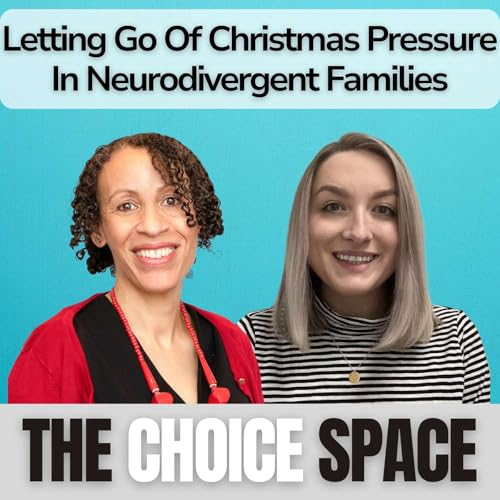
  • Letting Go Of Christmas Pressure In Neurodivergent Families
    Dec 10 2025

    Christmas is often portrayed as joyful and effortless, yet many families experience something far more complex. Sensory overload, disrupted routines and shifting expectations can build pressure quickly, and for neurodivergent families these challenges can be especially pronounced. Old roles and stories can also resurface, adding emotional weight to a time that comes with more noise, movement and change than usual.

    In this episode, Dr Lee David speaks with Dr Lucy Rigley – clinical psychologist and specialist in neurodivergence and family wellbeing – about why Christmas can feel demanding and the small, workable choices that can make it easier.

    They explore sensory differences, routine changes, how family dynamics can intensify at this time of year and why preparation and acceptance can ease overwhelm. Lucy offers practical ways to balance different needs within a household, communicate with wider family members and create traditions that support wellbeing rather than trying to match external expectations.

    This is a conversation about understanding real needs within a family – and letting go of pressure so there is more room for calm, connection and authenticity in a season that can feel busy for everyone.

    Highlights & key moments

    00:00 Introduction – why Christmas brings hidden pressures
    00:36 The sensory load of the festive season
    07:15 Balancing varied needs within a neurodivergent household
    10:38 Co-regulation and why adults’ wellbeing shapes the day
    14:25 Future-you planning and small choices that ease pressure
    17:02 Involving children in problem-solving and creative ideas
    18:27 Social media, comparison and finding people who get your life
    23:21 Authenticity over perfection – celebrating real family moments
    28:36 Communicating with wider family without escalating conflict
    34:43 Naming disappointment and making space for mixed feelings
    36:18 Routines, safe spaces and reducing festive demands
    39:14 Choice Space Takeaway – acceptance and preparation for calmer days

    About the guest

    Dr Lucy Rigley is a clinical psychologist, therapist, trainer and lecturer with over a decade of experience supporting people and organisations around mental health and neurodivergence. After working in the NHS since 2013, Lucy now runs an independent practice offering therapy, assessment and consultation for children, families and neurodivergent people. Her work focuses on autism, ADHD, trauma and parenting – helping individuals, families and systems such as schools to understand needs with compassion. Alongside clinical work, Lucy lectures and trains practitioners, and is committed to making psychology accessible through workshops and community projects, including parent wellbeing sessions in play cafés.

    You can contact Lucy via her website, Instagram (@drlucy.co.uk) or

    About the host

    Dr Lee David is a GP, CBT therapist and author specialising in mental health and wellbeing. Lee has written many books on CBT, mindfulness and teen wellbeing, and speaks regularly at conferences and in the media. Away from work she enjoys running, hiking, singing in a choir and spending time outdoors with her family. You can find Lee through her website and on Instagram, TikTok (@dr.lee.david), Facebook and LinkedIn. You can find more about her books, wellbeing courses and therapy here: https://linktr.ee/dr.lee.david

    Mehr anzeigen Weniger anzeigen
    41 Min.