• Healing Is Not Passive
    Sep 24 2026

    Send us Fan Mail

    You can recognize a pattern, name it, and even explain exactly where it came from and still find yourself repeating it. That disconnect is where so many healing journeys stall, not because you’re failing, but because your brain and nervous system learned survival first. We talk about what it really means to take ownership of healing, why healing is not passive, and how choosing to participate actively can shift everything.

    We dig into why old responses stick around after trauma, chronic stress, or emotionally unsafe environments, and we reframe common “identities” like the people pleaser, the overachiever, and the survivor as adaptations that once had a purpose. Then we bring in hope and practicality through neuroplasticity, how repeated new experiences can build new pathways, new responses, and new ways of relating to yourself and others.

    A big focus is therapy, especially attachment-based therapy, because healing often happens inside a safe relationship. We share why insight isn’t the same as integration, how therapy can move you from thinking your feelings to actually feeling them, and why that emotional safety can help you find your real voice again. If you’ve been stuck consuming information but not feeling real change, this conversation offers a grounded next step: choose one action and follow through.

    Subscribe for more honest conversations about trauma healing, nervous system regulation, and becoming who you really are, and if this resonates, share it with someone you care about and leave a review.

    Mehr anzeigen Weniger anzeigen
    24 Min.
  • The Action Phase Of Healing
    Sep 10 2026

    Send us Fan Mail

    The hardest part of healing is rarely the insight. It’s the moment you try to live differently, with a nervous system that still expects the old story. Season two starts in that exact place: the action phase, where growth asks for discipline, new communication, and the courage to feel emotions you may have avoided for years. We’re not chasing perfection. We’re practicing a steadier kind of power, the kind built through self-compassion, grace, and honest accountability.

    We reflect on what it means to move from survival mode into a life that actually feels lived. Through poems from my writing, I share how fear, rumination, and scarcity thinking can disconnect us from identity, purpose, and gratitude, and how presence becomes possible again when we start tending to what’s already inside us. Think of healing less like a punishment and more like nurturing seeds: trust, forgiveness, compassion, and self-love, all growing together when you give them consistent care.

    We also get real about the difference between short-term tools and long-term transformation. A walk, a workout, or a quick reset can help in the moment, but deep healing work goes to the root: the beliefs embedded long ago, the patterns shaped by dysregulation, and the ways we learned to look outside ourselves for safety and acceptance. Accountability becomes the bridge to ownership, not as self-blame, but as a commitment to keep choosing peace and keep showing up for yourself.

    As you listen, I’ll invite you into simple reflection questions to notice what you felt, where you tightened up, and what emotional reaction tried to get your attention, because that signal can be a gift. If this resonates, subscribe, share it with someone who’s doing the work, and leave a review so more people can find this space. What feeling came up for you most strongly today?

    Mehr anzeigen Weniger anzeigen
    15 Min.
  • Purpose Is Alignment
    Jul 9 2026

    Send us Fan Mail

    Purpose isn’t something I can hand you as a neat answer, and it’s not something you earn by performing well. Purpose shows up when your body finally feels safe enough to tell the truth. In the season one finale of Held & Becoming Into Your Power, I reflect on the healing journey we’ve walked together and then step into the question that comes after the hardest work: what does purpose really mean when you’re no longer living in survival mode?

    I share my own turning point with creative writing and trauma healing, including how a retreat cracked open something I’d shut down since high school. My journaling shifted into poetry, and that became a nervous system language for feelings I couldn’t access any other way. You’ll hear poems that hold the themes of assimilation, perfectionism, and learning to present a version of yourself the world can accept, then the deeper release that happens when you return to your authentic self.

    We talk about purpose as alignment, the quiet sense that your life belongs to you again. I also name the balance between soul responsibility and support, because healing asks for ownership but it never asks you to do it alone. We end with awe and a practical invitation to create a safe, sacred space where you can hear your own thoughts and let your next right step emerge.

    If this resonates, listen through to the end, share it with someone who’s rebuilding, and please subscribe and leave a review so more people can find this space. What does alignment feel like in your body right now?

    Mehr anzeigen Weniger anzeigen
    18 Min.
  • Reclaim Your Voice
    Jun 24 2026

    Send us Fan Mail

    The moment you try to speak up and your chest tightens, your throat closes, or your mind goes blank, it is easy to assume something is wrong with you. We see it differently: your nervous system may be doing exactly what it learned to do to keep you safe. This conversation is about reclaiming your voice after years of staying quiet, staying small, or staying agreeable because honesty once felt risky.

    We start by tracing how early attachment wounds shape our relationship with self-expression. When a child fears the very people they depend on, the body adapts in powerful ways, and those patterns can follow us into adulthood as people pleasing, perfectionism, caretaking, and silence. Through poetry from Finding My Power, we name “old fear” and reframe these responses as adaptations, not flaws, so you can meet yourself with compassion rather than judgment.

    Then we get practical about trauma healing and nervous system regulation. We talk about how therapy helps you feel what was never safe to feel, and why consistency matters more than perfectionism when you are rewiring attachment patterns. We also share grounding tools like meditation, journaling, writing, nature walks, and quiet reflection, plus the real work of boundaries, protecting your energy, honoring intuition, and choosing alignment even when it costs you familiarity.

    If you are ready to speak more honestly and live with more self-trust, press play. Subscribe, share this with someone who needs it, and leave a review to help more listeners find the path back to their voice.

    Mehr anzeigen Weniger anzeigen
    15 Min.
  • Self-Love And Forgiveness
    Jun 17 2026

    Send us Fan Mail

    Forgiveness gets sold as a shortcut: let it go, move on, be the bigger person. But when you’ve been hurt, rushing to forgive can become another way of abandoning yourself. We slow it down and redefine forgiveness as something steadier and more honest: acknowledging what happened, refusing to excuse harmful behavior, and putting responsibility back where it belongs so you can stop carrying what was never yours.

    We also dig into attachment theory and how early relationships shape the way we experience love, safety, and connection. When love is inconsistent or painful, the nervous system adapts by reading the room, changing ourselves, and doing whatever it takes to stay connected. Those patterns aren’t character flaws, they’re survival strategies. The hard part of healing is recognizing how often that survival required self-abandonment, and then learning to come back to yourself with compassion.

    Along the way, we share two poems, “Sorry” and “Unbraiding,” to name the grief, tenderness, and hope that can surface when you finally stop judging your younger self and start thanking them for surviving. If you’re working on nervous system healing, inner child healing, boundaries, or self-compassion, this conversation offers language and reflection prompts you can return to again and again. Subscribe, share this with someone who needs it, and leave a review with one thing you’re ready to set down.

    Mehr anzeigen Weniger anzeigen
    13 Min.
  • Trust Can Be Relearned Through Safety And Compassion
    Jun 11 2026

    Send us Fan Mail

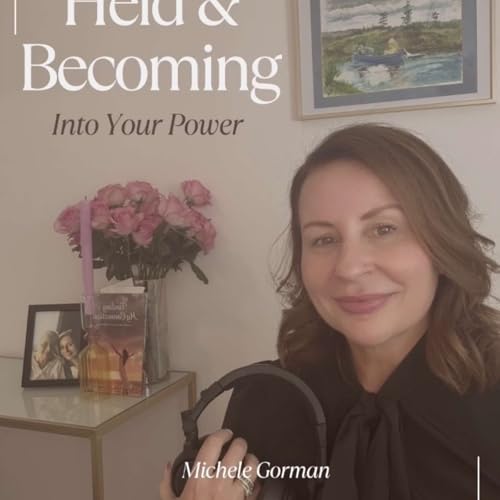
    Trust doesn’t usually disappear in one moment. It fades in a thousand small ways when early relationships feel inconsistent, unsafe, or emotionally misattuned and the nervous system learns to stay on guard. I’m Michele Gorman, and I’m naming what so many of us live with quietly: the overachiever drive, the perfectionist pressure, the caretaker role, and the constant second-guessing that comes from not trusting our own inner voice.

    We move through attachment theory in plain language and connect it to real life patterns like rumination, excessive worry, and the habit of hunting for other people’s opinions because our own judgment doesn’t feel reliable. I share parts of my story of growing up without dependable models of trust, and how that shaped my ability to listen to intuition. You’ll also hear two poems from Finding My Journey, one on Trust and one on Compassion, to capture the emotional truth behind this work in a way that facts alone can’t.

    Then we get practical and honest: attachment patterns are learned, which means they can be relearned. Self-trust rebuilds slowly through consistent experiences of safety, including the safety we create for ourselves through boundaries and self-honoring choices. We also clarify what compassion is and what it is not. Compassion doesn’t mean forgetting, excusing harm, or reopening doors that should stay closed. It means seeing clearly and choosing differently, so we stop repeating generational patterns and start building a future rooted in trust and safety.

    If this resonates, follow the show, share it with someone who needs it, and leave a review so more people can find this path back to themselves. What’s one place in your life where you’re ready to trust your own voice again?

    Mehr anzeigen Weniger anzeigen
    12 Min.
  • Survival Identities
    Jun 4 2026

    Send us Fan Mail

    Survival doesn’t always look like chaos. Sometimes it looks like straight A’s, being the reliable one, never making mistakes, and quietly begging for approval with your whole life. We’re digging into the survival identities that can grow out of early nervous system adaptation and insecure attachment: the overachiever, the perfectionist, and the caretaker. These patterns can read like strengths, but they’re often protective strategies built when love, safety, or emotional support felt uncertain.

    I share a personal poem on burnout and the early experiences that taught my body to brace, strive, and self-parent. Then we connect the dots between attachment theory and the personas we build to stay safe and chosen. You’ll hear a story from my college years where “doing a little extra” turned into a massive year-long program, and what I can see now beneath that drive: the belief that worth must be earned.

    We break down what each identity is really trying to prevent, why mistakes can feel dangerous, and why giving can feel safer than receiving. Most importantly, we talk about how to begin letting these roles soften without ripping them away overnight, using compassion, accountability, and nervous system awareness to rebuild self-worth and trust from the inside out.

    If this resonates, subscribe, share with someone who needs it, and leave a review so more people can find this work. Which survival identity do you recognize most in yourself right now?

    Mehr anzeigen Weniger anzeigen
    16 Min.
  • How Early Bonds Shape Your Nervous System
    May 28 2026

    Send us Fan Mail

    The day I found out I was pregnant, I felt joy and a wave of fear I couldn’t explain. Not fear of becoming a mother, but fear that something essential was missing in me: the ability to bond. That moment sent me straight into trauma therapy with one goal in mind, to understand attachment before my son arrived. What I discovered changed how I see my past, my nervous system, and what healing can actually look like.

    Attachment theory is more than a psychology term. It’s a map of how our earliest relationships teach our bodies whether the world is safe, whether people can be trusted, and whether our needs matter. I walk through what secure attachment does for emotional regulation and self-worth, and what can happen when caregiving is absent, inconsistent, or disrupted. If you struggle with self-trust, second-guess yourself, or feel anxious and confused in relationships, you’ll hear why those patterns may be intelligent adaptations rather than flaws.

    I also share why attachment-focused therapy helped me in ways other approaches couldn’t, and how the brain’s ability to rewire gives real hope for change. Healing doesn’t erase the past, but it can help you create safety in the present, develop a steadier sense of worth, and even form the bonds you once believed were impossible, sometimes starting with yourself.

    If this resonates, listen all the way to the closing question and take a quiet minute to reflect. Subscribe to Held And Becoming Into Your Power, share this with someone who needs it, and leave a review so more people can find the support they’ve been missing.

    Mehr anzeigen Weniger anzeigen
    13 Min.