• NFA: Academic Theory vs. Fireground Reality
    Aug 10 2026

    Send us Fan Mail

    The National Fire Academy has a name that still stops conversations cold, but a lot of firefighters are asking a blunt question: why doesn’t the “Mecca” feel like the place you go to become deadly competent on the fireground? We dig into that disconnect without cheap shots, and we get honest about what the NFA is great at, namely executive leadership, grants, budgets, community risk reduction, and the administrative work that shapes an entire department.

    We also unpack why crews in the apparatus bay often lose faith in federalized training: it can feel too far from the nozzle, too focused on liability-driven risk avoidance, too slow to keep up with lightweight construction and new hazards, and too gated by prerequisites and affiliation rules. I share a personal gut-punch story about being accepted to the Executive Fire Officer Program and learning I could not continue after retirement due to the affiliation policy, even with experience and a platform to support the fire service.

    Then we get practical about where the best operational firefighting training really comes from: company-level repetition, the kitchen table, regional and state academies with burn towers and real props, hands-on conferences like FDIC, and the modern blend of fire science research from UL FSRI and NIST with street-tested engine and truck tactics. If you care about fire service training, fireground tactics, and building better firefighters, hit play, share this with your crew, and subscribe and leave a review so more people can find the conversation.

    The Energy Drink
    Founded by Firefighters. Fuel for Everyone

    Disclaimer: This post contains affiliate links. If you make a purchase, I may receive a commission at no extra cost to you.

    Support the show

    Contact AFSO21's Weekend Wrap-up Podcast -

    • Email us at podcast@afso21.com

    As always, keep supporting your local fire and emergency services, stay safe, and keep on listening!


    Mehr anzeigen Weniger anzeigen
    22 Min.
  • Beyond the Uniform: Career vs. Volunteer EMS
    Aug 3 2026

    Send us Fan Mail

    You call 911 on the worst day of your life, and the crew walking through the door can look the same no matter what patch they wear. But career EMS and volunteer EMS are built on very different systems, and those differences can quietly shape training, protocols, equipment, and even what “standard of care” means in practice. Kevin Ferrara is joined by paramedic Justin Whitney to break down where the two workforces overlap, where they diverge, and why the future of emergency medical services depends on getting honest about the gap.

    We talk about what standardization looks like when budgets are tight, administrative roles are filled part-time, and leadership development is often treated as optional. Justin shares why EMS lacks a consistent career progression model beyond certification levels, and why borrowing a structured ladder from the fire service could help agencies build stronger supervisors, safer operations, and better quality assurance. We also dig into scope of practice, from national guidance to state protocols to agency medical directives, and how that layered system can either protect patients or create inconsistency across neighboring departments.

    Then we go straight at accountability and public trust: Should EMS have something like a Brady list to prevent unsafe providers from bouncing to the next agency or the next state? Who really has the power to restrict or remove a provider’s clinical practice? And why does something as simple as uniforms and visible ID matter when volunteer responders arrive from home in street clothes? If you care about paramedic standards, EMT training, public safety funding, and what patients should be able to expect when an ambulance arrives, this one will give you a lot to think about. Subscribe, share this with someone in EMS, and leave a review with your take on what the minimum standard should be.

    The Energy Drink
    Founded by Firefighters. Fuel for Everyone

    Disclaimer: This post contains affiliate links. If you make a purchase, I may receive a commission at no extra cost to you.

    Support the show

    Contact AFSO21's Weekend Wrap-up Podcast -

    • Email us at podcast@afso21.com

    As always, keep supporting your local fire and emergency services, stay safe, and keep on listening!


    Mehr anzeigen Weniger anzeigen
    59 Min.
  • The Leadership Deficit: How Poor Management is Emptying Emergency Services
    Jul 27 2026

    Send us Fan Mail

    Support the show

    Contact AFSO21's Weekend Wrap-up Podcast -

    • Email us at podcast@afso21.com

    As always, keep supporting your local fire and emergency services, stay safe, and keep on listening!


    Mehr anzeigen Weniger anzeigen
    21 Min.
  • The Invisible Killer: Why "Clear Air" is a Lie On The Fireground
    Jul 20 2026

    Send us Fan Mail

    Clear visibility after knockdown is one of the most dangerous comfort signals on the fireground. When the smoke thins, it’s easy to believe the hazard is over and to start treating overhaul like “cleanup” instead of an exposure-heavy operation. We challenge that belief head-on, because this illusion has helped put far too many firefighters on a slow path from the scene to an oncology ward years later.

    We walk through what’s actually in that clear-looking air: carbon monoxide that binds to hemoglobin and quietly starves your body, hydrogen cyanide that blocks oxygen use at the cellular level, and a wider mix of VOCs and carcinogens like benzene, formaldehyde, and PAHs that can off-gas from charred contents while crews open walls and ceilings. We also connect the dots to symptoms firefighters normalize, from headaches and dizziness to airway injury and cardiac strain, then zoom out to the long-game reality of elevated cancer risk and why PM2.5 and other fine particulates matter even when you can’t see or smell them.

    Then we shift from the fireground to city hall. We make the policy and financial case for strict SCBA and PPE enforcement backed by municipal leadership, including why presumptive cancer laws, workers’ compensation exposure, civil liability, and NFPA 1500 expectations change the stakes for every community. If you’re a firefighter, officer, or local official who wants fewer preventable illnesses and a healthier workforce, this conversation gives you the language and the rationale to push for non-negotiable standards. Subscribe, share this with your crew or council, and leave a review with one question you want answered about overhaul air and SCBA use.

    Support the show

    Contact AFSO21's Weekend Wrap-up Podcast -

    • Email us at podcast@afso21.com

    As always, keep supporting your local fire and emergency services, stay safe, and keep on listening!


    Mehr anzeigen Weniger anzeigen
    18 Min.
  • The Hidden Dangers of PFAS: Could "Forever Chemicals" Be Fueling your Anger?
    Jul 13 2026

    Send us Fan Mail

    Your fuse feels shorter than it used to and you can’t quite explain why. Before we blame it all on social media, sleep debt, or “the times we’re living in,” we take a hard look at a quieter force that may be shaping mood from the inside out: PFAS, the so-called forever chemicals now found in the blood of most Americans.

    We walk through what PFAS are, why the carbon fluorine bond makes them so persistent, and where exposure hides in plain sight, including nonstick cookware, stain resistant materials, food packaging, and contaminated groundwater tied to firefighting foam. Then we follow the neuroendocrine thread that gets far less attention. We explain how PFAS may disrupt thyroid hormones, alter the HPA axis stress response, and contribute to neuroinflammation that can interfere with neurotransmitters tied to impulse control and calm, including dopamine and GABA. The result, in plain terms: less emotional buffer, more snap, and more anxious edge.

    We also dig into what the research is showing so far, from links between early-life PFAS exposure and behavioral outcomes to emerging adult findings in highly contaminated areas. Most importantly, we focus on agency and practical risk reduction. You’ll get a clear, step-by-step plan for cutting exposure, including what water filtration works best for PFAS, what certifications to look for, which cookware to replace first, smarter food storage habits, and simple ways to support elimination over time.

    If this changes how you think about irritability, brain fog, or stress, subscribe for more, share this with someone who needs it, and leave a review or comment with your biggest takeaway or the swap you’re making first.

    DISCLAIMER

    The views, information, or opinions expressed by guests during this podcast are solely those of the individuals involved and do not necessarily represent those of AFSO21's Weekend Wrap-up Podcast and its hosts. Furthermore, any views or opinions expressed by guests are their own alone and unless otherwise stated, do not reflect the opinions, beliefs, or official policies of any organization, institution, or employer they may be associated with or employed by.

    Support the show

    Contact AFSO21's Weekend Wrap-up Podcast -

    • Email us at podcast@afso21.com

    As always, keep supporting your local fire and emergency services, stay safe, and keep on listening!


    Mehr anzeigen Weniger anzeigen
    18 Min.
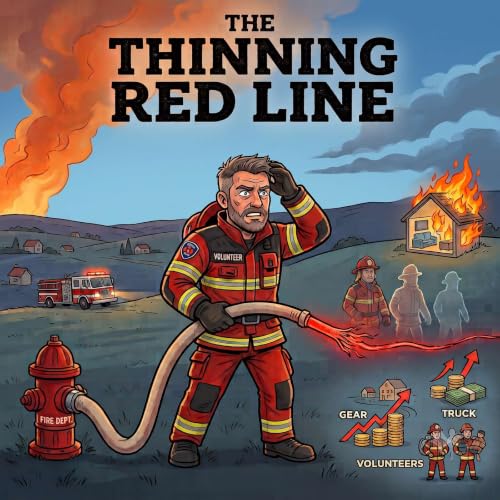
  • The Thinning Red Line
    Jul 6 2026

    Send us Fan Mail

    Smell smoke in a big city and a career crew is at your door in minutes. In huge stretches of rural America, that same 911 call wakes up volunteers who have to drive to the station, wait for enough people to safely staff a truck, and then head your way, often with the clock already working against them.

    We break down the quiet crisis hitting the volunteer fire service: fewer responders, more calls, and turnout times that keep stretching while modern homes can reach flashover in three to five minutes. We walk through the real math behind recruitment and retention, from the rural brain drain and aging rosters to commuter lifestyles and employers who can’t spare workers mid-shift. We also dig into the training burden shaped by NFPA and OSHA standards, where a new volunteer may face hundreds of hours before they can fully participate, plus the ongoing admin load that can feel like a second job with no paycheck.

    Then we follow the money. When departments run fish fries to buy diesel, replace turnout gear, or fund an $800,000 to $1 million pumper, the system is no longer just strained, it’s structurally broken. We talk grants like AFG and SAFER, why they can be hard to win without dedicated grant writers, and what happens when the apparatus gets older and less safe. Finally, we look at the human cost of modern response: EMS-heavy call volume, intimate small-town trauma, rising mental health risk, and the cancer exposure reality that too many people still underestimate.

    If you care about rural public safety, listen, share this with someone in your community, and then take action: meet your local volunteers, show up at public meetings, and push leaders to fund fire protection like the essential service it is.

    DISCLAIMER

    The views, information, or opinions expressed by guests during this podcast are solely those of the individuals involved and do not necessarily represent those of AFSO21's Weekend Wrap-up Podcast and its hosts. Furthermore, any views or opinions expressed by guests are their own alone and unless otherwise stated, do not reflect the opinions, beliefs, or official policies of any organization, institution, or employer they may be associated with or employed by.

    Support the show

    Contact AFSO21's Weekend Wrap-up Podcast -

    • Email us at podcast@afso21.com

    As always, keep supporting your local fire and emergency services, stay safe, and keep on listening!


    Mehr anzeigen Weniger anzeigen
    29 Min.
  • The Glass Station: Transparency and Accountability in Fire & Emergency Services
    Jul 3 2026

    Send us Fan Mail

    Trust is the real life safety system, and when it fails, everything else starts to break. Host Kevin Ferrara makes a direct case for why transparency and accountability matter more in fire and EMS than they ever will in a boardroom. We talk about the old habit of “keep it in house,” why that mindset collapses under modern scrutiny, and how clear communication becomes tactical strength for leaders who want safer operations and a healthier culture.

    We start inside the station with internal transparency: the difference between giving orders on the fireground and leading an organization day to day. We dig into how hidden decisions around budgets, promotions, policy changes, staffing, and discipline create an information vacuum where rumors thrive. You’ll hear practical ways to share the why, using data, close call learning, and modern fire dynamics, so crews can understand new SOPs and actually buy into them.

    Then we go outside the walls. In a smartphone era, the public will learn about delayed response times, equipment failures, or misconduct. The only question is whether they hear it from a leak or from a chief who can stand up, explain what happened, and lay out what changes next. We also connect transparency to public funding realities, community trust, and the long game of earning support before the next crisis.

    If you lead in emergency services or you plan to, hit play and take the three challenges seriously: open the books, own the bad calls first, and build a bridge to the community. Subscribe, share this with a leader you respect, and leave a review so more firefighters, medics, and chiefs can find the conversation.

    DISCLAIMER

    The views, information, or opinions expressed by guests during this podcast are solely those of the individuals involved and do not necessarily represent those of AFSO21's Weekend Wrap-up Podcast and its hosts. Furthermore, any views or opinions expressed by guests are their own alone and unless otherwise stated, do not reflect the opinions, beliefs, or official policies of any organization, institution, or employer they may be associated with or employed by.

    Support the show

    Contact AFSO21's Weekend Wrap-up Podcast -

    • Email us at podcast@afso21.com

    As always, keep supporting your local fire and emergency services, stay safe, and keep on listening!


    Mehr anzeigen Weniger anzeigen
    17 Min.
  • Comedy As a Fireground Coping Tool
    Jun 22 2026

    Send us Fan Mail

    A lot of people hear “firefighter humor” and assume it’s just jokes for likes. What we see up close is something deeper: comedy can be a pressure valve that helps first responders process stress, stay connected to their crews, and keep showing up with compassion when the calls are heavy.

    We’re joined by Jason Patton from Fire Department Chronicles and Brent “Firefighter Fenton” Fenton from Fire Department Coffee to talk about how humor becomes a real coping tool for firefighter mental health and resilience. We get into the idea of identity and balance, why the job can’t be your whole personality, and what it looks like to build outlets that actually work on and off shift. Along the way, we keep it honest about the darker side of the work and the difference between laughing with your people and disrespecting the public.

    The conversation also turns to firefighter safety and decision-making under pressure: risk a lot to save a lot, the realities behind line of duty deaths, and why scene size up and situational awareness can’t be optional. We compare approaches to 360s, command presence, accountability, incident safety officers, and the value of preplanning and inspections, especially when volunteer departments are stretched thin. Then we hit a topic every crew cares about: radios, redundancy, and why communication is a lifeline when things go sideways.

    If you care about the fire service, first responder wellness, and the real-world choices that keep crews alive, you’ll get a lot from this one. Subscribe, leave a review, and share this with someone who could use a laugh and a reminder to stay safe.

    DISCLAIMER

    The views, information, or opinions expressed by guests during this podcast are solely those of the individuals involved and do not necessarily represent those of AFSO21's Weekend Wrap-up Podcast and its hosts. Furthermore, any views or opinions expressed by guests are their own alone and unless otherwise stated, do not reflect the opinions, beliefs, or official policies of any organization, institution, or employer they may be associated with or employed by.

    Support the show

    Contact AFSO21's Weekend Wrap-up Podcast -

    • Email us at podcast@afso21.com

    As always, keep supporting your local fire and emergency services, stay safe, and keep on listening!


    Mehr anzeigen Weniger anzeigen
    44 Min.