Folgen

  • 0400 » The Rings of Power » S3E1 » 10 Critical Problems
    Nov 16 2026
    10 CRITICAL PROBLEMS WITH THE RINGS OF POWER S3E1
    5 CONTRADICTIONS & 5 CRINGE MOMENTS
    Season 3 of Amazon's The Rings of Power is here, and we're kicking off a new series on The Tolkien Road: 10 Critical Problems with The Rings of Power!
    For each episode, we'll examine 5 ways the show contradicts Tolkien's writings and 5 moments that are just plain cringe.
    First up: Season 3, Episode 1, "Marnûkh."
    From Sauron's confused Ring-making experiments and Númenor's mangled chronology to the premature appearance of the Nazgûl, Galadriel's romantic entanglements, terrible Dwarf dialogue, and more, we're breaking down ten of the episode's biggest problems.
    But our fundamental complaint goes deeper than lore accuracy.
    The greatest problem with The Rings of Power isn't simply what it changes about Tolkien's stories. It's what those changes rob us of.
    Join us as we explore what Amazon changed, what Tolkien actually wrote, and what we're missing because of those changes.
    ━━━━━━━━━━━━━━━━━━━━
    TIMESTAMPS
    ━━━━━━━━━━━━━━━━━━━━
    INTRODUCTION
    00:00 — Welcome to 10 Critical Problems
    00:21 — Why changing Tolkien isn't the real problem
    5 CONTRADICTIONS OF TOLKIEN
    01:27 — #1: Sauron hasn't forged the One Ring
    02:54 — #2: Pelargir exists centuries too early
    04:27 — #3: The Nazgûl appear far too early
    05:44 — #4: Galadriel wears Nenya during the war
    06:53 — #5: The Lossoth in the Second Age
    5 CRINGE MOMENTS
    07:58 — Introducing the cringe elements
    08:11 — #6: Galadriel's romantic history
    09:16 — #7: Bad dialogue and Dwarf sitcoms
    10:16 — #8: Generic fantasy battle scenes
    11:06 — #9: Sauron's Ring recruitment program
    12:10 — #10: Sauron's Orc experiment
    CONCLUSION
    13:00 — What we're missing from Tolkien's Second Age
    13:47 — Tolkien's Tragedy: Concerning Númenor
    14:15 — Join the conversation
    ━━━━━━━━━━━━━━━━━━━━
    BIG TAKEAWAYS
    ━━━━━━━━━━━━━━━━━━━━
    • SAURON'S SCHEME: Tolkien's cunning and carefully conceived plan to dominate the Elves becomes a seemingly improvised series of Ring-making experiments.
    • NÚMENOR'S TRAGEDY: Compressing centuries of history diminishes the slow spiritual decline of one of Tolkien's greatest civilizations.
    • THE NAZGÛL: Their premature appearance sacrifices the dreadful, gradual transformation of powerful Men into enslaved wraiths.
    • THE THREE RINGS: Galadriel's use of Nenya during the war undermines the tragedy of the Elves' refusal to wield their Rings while Sauron possesses the One.
    • CRINGE OVER SUBSTANCE: Awkward dialogue, Dwarf sitcom scenes, generic battles, and unintentionally funny moments distract from Tolkien's deeper vision.
    • WHAT WE LOST: The greatest damage isn't merely to Tolkien's chronology, but to the beauty, tragedy, and spiritual meaning of his stories.
    ━━━━━━━━━━━━━━━━━━━━
    DISCOVER TOLKIEN'S TRAGEDY
    ━━━━━━━━━━━━━━━━━━━━
    Want to discover the Second Age as Tolkien actually envisioned it?
    Check out Tolkien's Tragedy: Concerning Númenor, an exploration of the rise and fall of the greatest kingdom of Men, and the tragedy of a people whose fear of death and desire for power destroyed everything they had been given.
    GET THE BOOK:
    https://tolkienstragedy.com/
    ━━━━━━━━━━━━━━━━━━━━
    JOIN THE CONVERSATION
    ━━━━━━━━━━━━━━━━━━━━
    What did you think of Season 3, Episode 1?
    Which contradictions did you notice? And what moments made you cringe?
    Let us know in the comments!
    More critical problems are coming as we continue through Season 3.
    THE ROAD GOES EVER ON!


    Become a supporter of this podcast: https://www.spreaker.com/podcast/the-tolkien-road--5222755/support.
    Mehr anzeigen Weniger anzeigen
    15 Min.
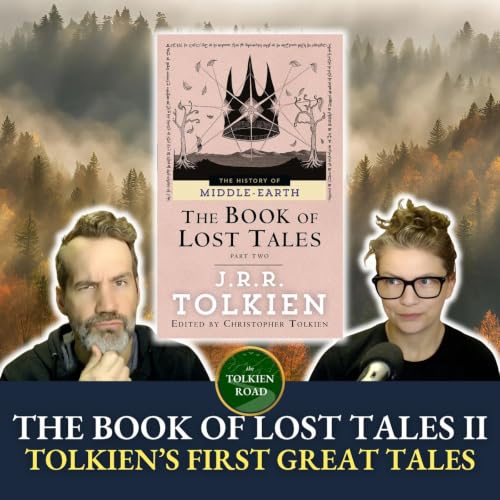
  • 0235: The Book of Lost Tales II » Tolkien's First Great Tales
    Nov 11 2026
    What did Beren and Lúthien, Túrin, Gondolin, and Eärendil look like when Tolkien first imagined them?
    In Episode 235 of The Tolkien Road, John and Greta survey The Book of Lost Tales 2, containing Tolkien’s earliest versions of several great First Age stories—and some startling differences from The Silmarillion we know today.
    ━━━━━━━━━━━━━━
    CHAPTERS
    00:00 — Introduction
    01:12 — Continuing The History of Middle-earth
    07:12 — The Book of Lost Tales 2
    09:59 — Overview of the Six Chapters
    10:39 — The Tale of Tinúviel
    12:55 — The Frame Narrative Continues
    15:30 — Early Thingol and Melian
    18:15 — How Beren and Lúthien Changed
    19:14 — Beren Was Originally an Elf
    20:27 — Why Beren’s Mortality Matters
    23:10 — Turambar and the Foalókë
    23:35 — What Is the Foalókë?
    29:09 — Tolkien’s Early Names
    30:30 — Is The History of Middle-earth Worth Reading?
    35:00 — The Fall of Gondolin
    35:27 — Tolkien’s Later Gondolin Version
    35:50 — Littleheart the Gong-warden
    42:28 — The Nauglafring
    42:35 — The Necklace of the Dwarves
    45:21 — Tolkien’s Five Great Beleriand Tales
    52:46 — The Tale of Eärendil
    53:48 — The Eärendil Story Tolkien Never Wrote
    55:02 — Where “Eärendil” Came From
    58:28 — Tolkien the Poet
    59:10 — Tol Eressëa and the Frame Narrative
    1:00:05 — Eriol, Ælfwine, and England
    1:02:17 — Did The Silmarillion Need a Frame?
    1:03:27 — Ælfwine of England
    1:03:51 — Completing The Book of Lost Tales
    1:08:01 — Listener Correspondence
    1:13:26 — Tolkien-Inspired Metal
    1:17:03 — Next: The Lays of Beleriand
    ━━━━━━━━━━━━━━
    BEREN WAS AN ELF
    The earliest Beren and Lúthien already contains many familiar images.
    But Beren is an Elf.
    That changes one of the most important elements of the later story: the union of mortal Man and immortal Elf.
    Tolkien eventually returned Beren to mortality, making their marriage a foundational event in the legendarium.
    ━━━━━━━━━━━━━━
    THE GREAT TALES EMERGE
    The volume contains early forms of several stories that became pillars of the First Age:
    • Beren and Lúthien
    • Túrin Turambar
    • The Fall of Gondolin
    • The Nauglafring
    • Eärendil
    Names, chronology, and details change dramatically, but the great stories are already taking shape.
    ━━━━━━━━━━━━━━
    GONDOLIN AND EÄRENDIL
    The Fall of Gondolin is especially important because Tolkien later began a much longer version but never completed it.
    Eärendil presents the opposite problem: his great prose tale was never fully written at all.
    Christopher Tolkien reconstructs much of its early form from outlines, fragments, and poems.
    ━━━━━━━━━━━━━━
    THE LOST FRAME NARRATIVE
    The Lost Tales were originally stories being told to Eriol on Tol Eressëa.
    Later material connects Eriol with Ælfwine and Tolkien’s idea of these legends as an ancient mythology of England.
    That raises a fascinating question:
    Did The Silmarillion lose something when Tolkien abandoned its frame narrative?
    ━━━━━━━━━━━━━━
    THE BIG TAKEAWAY
    The Book of Lost Tales lets us watch Tolkien discover Middle-earth.
    The great stories are already present, but almost nothing is fixed.
    Characters change.
    Names change.
    Entire narrative structures disappear.
    These volumes show not a finished mythology, but Tolkien’s imagination actively building one.
    ━━━━━━━━━━━━━━
    SPECIAL THANKS
    • Caitlin of Tea with Tolkien
    • Elise Yu
    • Andrew T.
    • John R.
    • Ms. Anonymous
    • Jacob S.
    • Daria


    Become a supporter of this podcast: https://www.spreaker.com/podcast/the-tolkien-road--5222755/support.
    Mehr anzeigen Weniger anzeigen
    1 Std. und 18 Min.
  • 0394: The Lord of the Rings » Foreword & Prologue » Mailbag
    Nov 9 2026
    What did Tolkien Road listeners notice in the Foreword and Prologue that deserved a second look?
    In Episode 394 of The Tolkien Road, John opens the Do Not Be Hasty mailbag to discuss Tolkien’s creative inspiration, allegory, Hobbit ancestry, the Great Smials, the Thain, pipe-weed, Bilbo’s reliability, and more.
    ━━━━━━━━━━━━━━
    CHAPTERS
    00:00 — Introduction
    00:42 — Opening the Mailbag
    00:46 — Correspondence on the Foreword
    00:56 — Tolkien, Inspiration, and King Crimson
    03:19 — Tolkien’s Humility
    04:29 — Allegory vs. Applicability
    05:41 — Moving Into the Prologue
    05:57 — What Kind of Hobbits Were the Bagginses?
    07:08 — What Do the Great Smials Look Like?
    08:48 — Harfoots and “Browner of Skin”
    09:41 — Patreon Correspondence
    10:22 — The Return of the Shadow
    10:54 — Prologue Episode 2 Mailbag
    11:03 — The Meaning of “Thain”
    12:38 — Were There Only Twelve Pubs?
    13:16 — Tolkien’s Fictional Records
    14:45 — Hobbits and the Authority of the King
    16:18 — Tolkien, Pipe-weed, and Smoking
    19:04 — Prologue Episode 3 Mailbag
    19:34 — Bilbo as an Unreliable Source
    20:13 — Tolkien’s Layered Narrative
    21:00 — Wrapping Up the Prologue
    ━━━━━━━━━━━━━━
    ALLEGORY VS. APPLICABILITY
    Listeners return to Tolkien’s famous distinction.
    Tolkien did not object to readers finding meaning in his stories.
    He objected to rigid allegory that imposes one fixed interpretation.
    Applicability gives the reader room to bring personal experience to the story.
    ━━━━━━━━━━━━━━
    WHAT KIND OF HOBBIT WAS BILBO?
    The Tooks and Brandybucks retained a strong Fallohide strain.
    The Bagginses are less clear.
    Their love of traditional Hobbit holes may suggest Harfoot ancestry, while Bilbo and Frodo both inherit Fallohide connections through their mothers.
    By their time, however, the original Hobbit groups were likely thoroughly intermixed.
    ━━━━━━━━━━━━━━
    THE THAIN AND THE KING
    The title “Thain” has deep Anglo-Saxon roots.
    More importantly, the Hobbits continue to recognize the authority of the King even after the northern kingdom disappears.
    The Thain helps preserve that older order.
    So when the King finally returns, it is a restoration—not simply the arrival of a new ruler.
    ━━━━━━━━━━━━━━
    CAN WE TRUST BILBO?
    Not always.
    Bilbo is one of several imperfect sources within Tolkien’s imagined textual history.
    The stories come through Hobbits, Elves, translators, scribes, copies, and competing traditions.
    That means the legendarium sometimes contains uncertainty and disagreement.
    Rather than weakening Middle-earth, it makes the world feel more like genuine history.
    ━━━━━━━━━━━━━━
    THE BIG TAKEAWAY
    Reading Tolkien slowly means discovering that almost every detail leads somewhere deeper.
    Hobbit ancestry connects to history and language.
    Political titles connect to Anglo-Saxon culture.
    Narrative inconsistencies reveal unreliable sources.
    Even the questions raised by readers show how much depth Tolkien built into his world.
    ━━━━━━━━━━━━━━
    SPECIAL THANKS
    • Caitlin of Tea with Tolkien
    • John R.
    • KG
    • Arendelle Hope
    • Alan C.
    • Stephanie B.
    • Dustin Q.
    • Robert S.
    • Redhawk
    • Shannon S.
    • Brian O. I.
    • Zeke F.
    • James L.
    • Chris L.
    • Aja V.
    • Ish of the Hammer
    • Teresa C.
    • David of Pints with Jack
    • Eric B.


    Become a supporter of this podcast: https://www.spreaker.com/podcast/the-tolkien-road--5222755/support.
    Mehr anzeigen Weniger anzeigen
    22 Min.
  • 0399: The State of Tolkien Fandom » Rings of Power, Hunt for Gollum & What Comes Next
    Nov 6 2026
    What’s going on in Tolkien fandom right now—and should we be excited or worried about where things are headed?Jonathan Watson of TheOneRing.com and Exploring Tolkien joins John for a wide-ranging conversation about Tolkien fandom past and present, The Rings of Power Season 3, The Hunt for Gollum, Shadow of the Past, The War of the Rohirrim, Netflix’s Narnia, HBO’s Harry Potter, and what makes an adaptation succeed or fail.━━━━━━━━━━━━━━CHAPTERS00:00 — Introduction01:21 — “Fellow Travelers” vs. “Fellowship”02:25 — Jonathan Watson & TheOneRing.com04:08 — Launching TheOneRing.com in 199904:44 — Tolkien Purism & Peter Jackson05:55 — Early Online Tolkien Fandom06:40 — Returning to Fandom07:51 — Exploring Tolkien08:50 — How Fandom Has Changed12:19 — Jonathan’s Favorite Tolkien Passage13:35 — Tolkien and Sub-creation16:04 — “I Want to Go to There”19:34 — Tolkien’s Love for Details21:51 — Deep Tolkien Appreciation22:58 — Rings of Power Season 324:48 — What Went Wrong?25:14 — Compressing the Second Age26:02 — Ham-Fisted Changes27:03 — Middle-earth Geography28:47 — The Writing Problem31:40 — Why We’re Still Watching33:30 — Why Peter Jackson Worked35:46 — What Modern Franchises Are Missing36:30 — “Member Berries”41:56 — The Hunt for Gollum43:44 — The War of the Rohirrim48:43 — LOTR and Star Wars49:29 — Could Gollum Be Middle-earth’s Rogue One?49:58 — Shadow of the Past50:11 — Why Not Aldarion and Erendis?57:53 — Tolkien-Adjacent Territory58:01 — Netflix’s The Magician’s Nephew1:00:57 — “We Want Our Grandparents’ Narnia”1:03:26 — HBO’s Harry Potter1:04:39 — One Book Per Season1:05:02 — LOTR as Prestige TV?1:06:48 — HBO, Apple & Adaptation Quality1:07:28 — Brandon Sanderson & the Cosmere1:08:17 — Silo1:10:10 — “When It Comes to Tolkien, Get It Right”1:14:10 — Decades of Tolkien Fandom1:14:34 — Where to Find Jonathan1:16:25 — Final Thoughts━━━━━━━━━━━━━━THE STATE OF TOLKIEN FANDOMJonathan launched TheOneRing.com in 1999, before social media transformed online fandom.Fans gathered on message boards and chat rooms while following the production of Peter Jackson’s films.Jonathan remembers a fandom where people could criticize adaptations without every disagreement becoming personal.The internet has changed considerably since then.━━━━━━━━━━━━━━WHY TOLKIEN STILL WORKSJonathan’s favorite Tolkien passage comes from Frodo listening to music in Rivendell.Tolkien does not simply tell us what Frodo feels.His language creates images that invite the reader to participate imaginatively.That is part of Tolkien’s sub-creative power.He creates Middle-earth.We participate by imagining it.━━━━━━━━━━━━━━RINGS OF POWERJohn and Jonathan discuss their disappointment with The Rings of Power:• Compressed chronology• Awkward geography• Weak dialogue• Questionable character choices• Plot problems• Too much reliance on familiar Tolkien imageryThe frustration comes partly from how much potential the Second Age contains.━━━━━━━━━━━━━━WHY PETER JACKSON WORKEDPeter Jackson changed Tolkien too.But the original trilogy possessed a strong creative vision.Modern franchise storytelling can instead become a corporate exercise built around committees, callbacks, and familiar imagery.Great adaptations need someone who understands the source and has a coherent vision for translating it.━━━━━━━━━━━━━━HUNT FOR GOLLUMThe pedigree behind The Hunt for Gollum gives reason for hope.But the fundamental question remains:Why this story?We already know where Gollum ends up.Could it become Middle-earth’s Rogue One—a story whose ending is known but whose execution makes the journey worthwhile?━━━━━━━━━━━━━━WHY NOT OTHER TOLKIEN STORIES?Tolkien left behind plenty of material that has never reached the screen.Aldarion and Erendis alone contains romance, political tension, voyages, Númenor, Elves, and Middle-earth.Why continually return to familiar ground when so many other stories remain unexplored?━━━━━━━━━━━━━━NARNIA & HARRY POTTERThe conversation expands into other fantasy adaptations.John and Jonathan are wary of Netflix’s The Magician’s Nephew, especially the tendency to reinvent beloved material for a supposedly modern audience.They are more intrigued by HBO’s Harry Potter series and its plan to devote an entire season to each book.That even raises the question:Could Lord of the Rings someday work as prestige television?━━━━━━━━━━━━━━THE BIG TAKEAWAYTolkien fandom has changed enormously since 1999.The internet changed.Movies changed.Fandom changed.But Tolkien’s writing remains the center of it all.Its depth, beauty, and imaginative power are still the ...
    Mehr anzeigen Weniger anzeigen
    1 Std. und 17 Min.
  • 0234: The Book of Lost Tales I » A Completely Different Silmarillion
    Nov 4 2026
    How different was Tolkien’s earliest Silmarillion—and which of its most important ideas had not even taken shape yet?
    In Episode 234 of The Tolkien Road, John and Greta complete their survey of The Book of Lost Tales 1 with its final six chapters. Along the way: the awakening of the Elves, the Darkening of Valinor, the Flight of the Noldor, the Sun and Moon, the Hiding of Valinor, and the coming of Men.
    ━━━━━━━━━━━━━━
    CHAPTERS
    00:00 — Introduction
    01:36 — The Book of Lost Tales 1, Part 3
    05:02 — Tolkien Quote of the Week
    06:11 — Tolkien Transforming War Into Myth
    07:37 — Revisiting the Book of Lost Tales
    09:07 — Christopher Tolkien’s Monumental Task
    10:15 — The Coming of the Elves and the Making of Kor
    11:49 — The Frame Narrative Continues
    12:27 — Why Frame Narratives Work
    16:38 — How the Early Story Differs
    17:26 — Melko Is Released Much Earlier
    18:00 — Tolkien’s Early Poem “Kor”
    21:23 — The Theft of Melko and the Darkening of Valinor
    22:06 — Melko Corrupts the Noldoli
    25:01 — The Silmarils Were Barely Important
    26:39 — Why This Isn’t Yet “The Silmarillion”
    27:23 — The Book of Lost Tales as a Rough Draft
    29:58 — The Flight of the Noldoli
    34:02 — There Is No Oath of Fëanor
    34:30 — The Teleri Were the Solosimpi
    34:56 — The Tale of the Sun and Moon
    36:02 — Tolkien Knew It Needed Revision
    40:52 — The Man in the Moon
    41:57 — The Hiding of Valinor
    44:25 — Tolkien Condemns the Valar’s Choice
    45:08 — Gilfanon’s Tale
    47:43 — Where Volume 1 Leaves Us
    48:53 — One Volume Down, Eleven to Go
    49:22 — Listener Correspondence
    57:35 — What’s Coming Next
    ━━━━━━━━━━━━━━
    THE SILMARILS WEREN’T CENTRAL YET
    Melko’s corruption of the Noldoli looks surprisingly familiar.
    He spreads lies about the Valar and tells the Elves they are being denied their rightful freedom.
    But the Silmarils themselves are still relatively unimportant.
    Like the One Ring in The Hobbit, something that begins in the background will eventually move to the center of an entire mythology.
    ━━━━━━━━━━━━━━
    NO OATH OF FËANOR
    The Flight of the Noldoli contains another enormous difference.
    There is no Oath of Fëanor.
    Considering how completely the Oath drives the tragedy of the published Silmarillion, its absence shows just how unfinished Tolkien’s conception still was.
    Even the Teleri have another name: the Solosimpi.
    ━━━━━━━━━━━━━━
    TOLKIEN’S ROUGH DRAFT
    The Book of Lost Tales is essentially Tolkien discovering his mythology through writing.
    Ideas move into focus.
    Others disappear.
    Names change.
    Chronology changes.
    Entire narrative structures are abandoned.
    The finished mythology did not spring into existence fully formed.
    ━━━━━━━━━━━━━━
    THE HIDING OF VALINOR
    In this early version, Tolkien treats the Valar’s decision to hide Valinor much more critically.
    Their failure to confront Melko is presented as a serious mistake.
    That explicit condemnation largely disappears from Tolkien’s later version of the mythology.
    ━━━━━━━━━━━━━━
    THE BIG TAKEAWAY
    The Book of Lost Tales 1 shows Tolkien discovering The Silmarillion.
    The Silmarils were not always central.
    The Oath of Fëanor was not always there.
    The Cottage of Lost Play frame eventually disappeared.
    Yet the foundations of Middle-earth are already unmistakable.
    This is Tolkien’s mythology while it was still becoming itself.
    ━━━━━━━━━━━━━━
    SPECIAL THANKS
    • Kaitlyn of Tea with Tolkien
    • Liis U
    • Andrew T
    • John R
    • Ms. Anonymous


    Become a supporter of this podcast: https://www.spreaker.com/podcast/the-tolkien-road--5222755/support.
    Mehr anzeigen Weniger anzeigen
    59 Min.
  • 0393: The Lord of the Rings » Prologue » Mathoms
    Nov 2 2026
    What did we miss in the Foreword and Prologue to The Lord of the Rings?
    In Episode 393 of The Tolkien Road, John goes back through some fascinating “mathoms” from Do Not Be Hasty—from Tolkien’s rejected Silmarillion and savage early reviews to allegory, Sarehole Mill, the origins of “Hobbit” and “Dwarves,” the meaning of Middle-earth, and more.
    ━━━━━━━━━━━━━━
    CHAPTERS
    00:00 — Introduction
    00:44 — What Is a Mathoms Episode?
    01:49 — Tolkien and the “Impression of Depth”
    03:29 — Why Publishers Rejected The Silmarillion
    04:52 — Could Silmarillion Stories Become Novels?
    07:23 — The Worst Early LOTR Reviews
    09:23 — “Juvenile Trash”?
    11:00 — Tolkien Was Supposedly Already Forgotten
    13:35 — Tolkien on Allegory
    15:00 — Allegory vs. Applicability
    17:03 — Sarehole Mill and the Real Shire
    18:11 — Tolkien Returns to His Lost Paradise
    22:14 — Prologue Mathoms
    22:19 — Did Tolkien Invent “Hobbit”?
    25:30 — Why Tolkien Wrote “Dwarves”
    28:03 — How Tolkien Imagined Hobbits
    29:21 — Middle-earth Is Our World
    30:58 — What Arnor and Gondor Mean
    32:46 — Marcho and Blanco
    34:09 — What “Angmar” Means
    35:35 — The Shire Is Rural England
    37:11 — Where “Shirriff” Comes From
    38:40 — Tolkien Rewrites Bilbo’s Ring Story
    40:13 — What “Samwise” Means
    41:28 — The Meaning of Elrond
    42:48 — Final Thoughts
    ━━━━━━━━━━━━━━
    THE SILMARILLION WAS REJECTED
    In 1937, Tolkien submitted Silmarillion material for publication.
    It was considered too strange and difficult, though Stanley Unwin believed its stories might be mined for books more like The Hobbit.
    That raises an interesting possibility: could individual Silmarillion stories have become full-length novels?
    The Children of Húrin shows what that might look like.
    ━━━━━━━━━━━━━━
    THEY CALLED LOTR “JUVENILE TRASH”
    Some early critics dismissed The Lord of the Rings as childish, simplistic, or doomed to be forgotten.
    History had other plans.
    The reviews also reveal the divide between Tolkien and parts of the literary establishment that never quite knew what to make of him.
    ━━━━━━━━━━━━━━
    ALLEGORY VS. APPLICABILITY
    Tolkien was not opposed to readers finding deeper meaning in stories.
    He objected to deliberately constructing stories as rigid one-to-one allegories.
    A good story can apply naturally to many experiences because readers bring their own lives to it.
    ━━━━━━━━━━━━━━
    HOBBITS, DWARVES, AND MIDDLE-EARTH
    Did Tolkien invent “Hobbit”? Almost certainly in the form we know it.
    Why “Dwarves” instead of “Dwarfs”? Tolkien preferred the form suggested by the word’s older linguistic history.
    And Middle-earth is not another planet.
    It is our world imagined in a distant mythological age.
    ━━━━━━━━━━━━━━
    THE SHIRE IS ENGLAND
    Tolkien explicitly said that, if we drop the fiction, the Shire is rural England.
    Sarehole and the countryside of Tolkien’s childhood strongly influenced its creation.
    The Hobbits may live in an ancient mythological world, but culturally they carry Victorian rural England with them.
    ━━━━━━━━━━━━━━
    BILBO’S STORY
    Tolkien changed Bilbo’s account of finding the Ring because The Lord of the Rings required a more sinister Ring.
    Inside the story, that revision becomes evidence that the Ring was already affecting Bilbo.
    A real-world rewrite becomes part of Middle-earth’s lore.
    ━━━━━━━━━━━━━━
    THE BIG TAKEAWAY
    With Tolkien, even the smallest details have histories.
    Words, names, places, manuscripts, and revisions all lead somewhere deeper.
    That is why these little “mathoms” are so rewarding: they show just how thoroughly Tolkien built his world.
    ━━━━━━━━━━━━━━
    SPECIAL THANKS
    • Caitlin of Tea with Tolkien
    • John R.
    • KG
    • A.R. Endale Hope
    • Alan C.
    • Stephanie B.
    • Dustin Q.
    • Robert S.


    Become a supporter of this podcast: https://www.spreaker.com/podcast/the-tolkien-road--5222755/support.
    Mehr anzeigen Weniger anzeigen
    45 Min.
  • 0233: The Book of Lost Tales I: The Early Forms of Middle-earth
    Oct 28 2026
    What was Tolkien’s mythology actually like when he first began writing it?
    In Episode 233 of The Tolkien Road, John and Greta continue through The History of Middle-earth with the first four chapters of The Book of Lost Tales 1. They encounter Tolkien’s original frame narrative, early versions of the Music of the Ainur and Valinor, Tinfang Warble, and a Middle-earth that is familiar—but also wonderfully strange.
    ━━━━━━━━━━━━━━
    CHAPTERS
    00:00 — Introduction
    01:51 — The Book of Lost Tales, Part 2
    04:15 — Tolkien Quote of the Week
    07:00 — How The Book of Lost Tales Is Organized
    09:21 — The Ten Chapters of Volume 1
    10:08 — Melko, the Noldoli, and Early Names
    12:44 — Our Approach to The History of Middle-earth
    14:33 — The Cottage of Lost Play
    15:00 — Tolkien’s 1917 Exercise Book
    19:11 — What Is the Cottage of Lost Play?
    19:51 — Tolkien’s Original Frame Narrative
    20:26 — Eriol Arrives on Tol Eressëa
    25:26 — How the Frame Narrative Works
    28:16 — Early Cottage of Lost Play Poems
    29:09 — The Music of the Ainur
    31:18 — Tolkien and the Oxford English Dictionary
    35:24 — Rúmil Begins the Music
    36:14 — How Similar Is It to the Ainulindalë?
    37:00 — The Coming of the Valar
    38:27 — The Strange Early Story of the Two Lamps
    44:31 — The Chaining of Melko
    44:57 — Tinfang Warble
    46:27 — A Major Difference from The Silmarillion
    47:33 — The Frame Narrative Continues
    49:10 — The Tinfang Warble Poem
    49:55 — A Precursor to Tom Bombadil?
    53:26 — Could The Silmarillion Work Better With a Frame?
    54:10 — Listener Correspondence
    1:01:35 — What’s Coming Next
    ━━━━━━━━━━━━━━
    THE COTTAGE OF LOST PLAY
    Tolkien originally gave his mythology a frame narrative.
    A mortal traveler named Eriol comes to Tol Eressëa and hears the ancient legends from the inhabitants of the Cottage of Lost Play.
    Rather than presenting the mythology simply as history, Tolkien imagined someone actually hearing these stories within the world.
    ━━━━━━━━━━━━━━
    THE EARLIEST SILMARILLION
    The Music of the Ainur already resembles the later Ainulindalë.
    The Coming of the Valar contains material recognizable from the published Silmarillion.
    But names, geography, chronology, and details can be strikingly different.
    Melkor is still Melko. The Noldor are the Noldoli. Familiar ideas are present, but the mythology is still changing.
    ━━━━━━━━━━━━━━
    TINFANG WARBLE
    The Chaining of Melko introduces one of the stranger delights of Tolkien’s earliest mythology: Tinfang Warble, a mysterious flute-playing figure associated with twilight and the stars.
    Could he even contain a distant hint of the figure who eventually became Tom Bombadil?
    ━━━━━━━━━━━━━━
    THE BIG TAKEAWAY
    The Book of Lost Tales is not simply a rough draft of The Silmarillion.
    It is an earlier vision of Tolkien’s mythology.
    Some ideas are already remarkably familiar. Others would disappear completely.
    And perhaps the most fascinating lost idea is the frame itself: Tolkien originally imagined these legends not simply as history, but as stories being told.
    ━━━━━━━━━━━━━━
    SPECIAL THANKS
    • Kaitlyn of Tea with Tolkien
    • Liis U
    • Andrew T
    • John R
    • Ms. Anonymous
    • Shannon S
    • Brian O
    • Emilio P
    • Zeke F
    • James A
    • James L
    • Chris L
    • Chuck F
    • Asya V
    • Ish of the Hammer
    • Teresa C
    • David of Pints with Jack
    • Jonathan D
    • Eric S
    • Joey S
    • Eric B
    • Matt L
    • Johanna T
    • Sam N
    • Mike M
    • Dyrenair
    • Robert H
    • Paul D


    Become a supporter of this podcast: https://www.spreaker.com/podcast/the-tolkien-road--5222755/support.
    Mehr anzeigen Weniger anzeigen
    1 Std. und 3 Min.
  • 0386: The Lord of the Rings » Prologue » Of the Finding of the Ring and a Note on Shire Records
    Oct 26 2026
    Why did Bilbo lie about how he found the Ring—and why did Tolkien invent an entire history for the manuscripts behind The Lord of the Rings?
    In Episode 386 of The Tolkien Road, John concludes the Prologue with “The Finding of the Ring” and “Note on the Shire Records.” We explore Bilbo’s false account, Gandalf’s suspicions, the mysterious “luck” behind finding the Ring, and Tolkien’s elaborate history of the Red Book of Westmarch.
    ━━━━━━━━━━━━━━
    CHAPTERS
    00:00 — Introduction
    01:10 — The Finding of the Ring
    02:27 — The Accident That Changed Middle-earth
    03:24 — Was Finding the Ring Really Luck?
    04:04 — Does the Ring Have a Will?
    05:26 — Bilbo’s Original Version of the Story
    07:11 — Why Did Bilbo Lie?
    08:02 — Gandalf Doesn’t Believe Bilbo
    08:25 — Bilbo’s Mithril Coat
    09:16 — Note on the Shire Records
    09:53 — Why Hobbits Started Writing History
    11:00 — Tolkien’s Imaginary Textual History
    11:47 — The Great Shire Libraries
    12:32 — Merry, Pippin, and Sam’s Connections
    13:08 — The Red Book of Westmarch
    13:33 — The Thain’s Book
    14:50 — Tolkien the Textual Historian
    16:31 — Bilbo’s Translations from the Elvish
    17:15 — A Frame Narrative for The Silmarillion?
    17:48 — Merry and Pippin’s Historical Works
    18:28 — Númenor and Sauron in the Records
    19:08 — Tolkien’s Universe-Building
    ━━━━━━━━━━━━━━
    BILBO LIED ABOUT THE RING
    Bilbo did not originally tell the true story of how he obtained the Ring.
    He claimed Gollum had promised it to him as a present if Bilbo won the riddle game.
    Why change the story?
    The altered version puts Bilbo’s ownership beyond doubt. Instead of merely taking Gollum’s treasure, he can tell himself that he legitimately earned it.
    That becomes an early sign of the Ring working upon him.
    ━━━━━━━━━━━━━━
    WAS IT REALLY LUCK?
    Bilbo finding the Ring initially seems like an accident.
    But the Ring may itself be trying to escape Gollum and return to Sauron.
    At the same time, another will appears to be at work.
    The fact that a Hobbit—and specifically Bilbo—finds it becomes enormously important.
    ━━━━━━━━━━━━━━
    THE RED BOOK OF WESTMARCH
    The final section of the Prologue gives us Tolkien’s imaginary textual history of Middle-earth.
    After the War of the Ring, Hobbits develop a greater interest in their past and establish important libraries at Undertowers, Great Smials, and Brandy Hall.
    At the center of this history is the Red Book of Westmarch.
    It begins with Bilbo’s diary.
    Frodo adds the account of the War of the Ring.
    Later copies preserve and expand the material.
    ━━━━━━━━━━━━━━
    BILBO AND THE SILMARILLION
    Bilbo’s three volumes of Translations from the Elvish concern the Elder Days.
    That strongly suggests an in-universe source for much of the material we know as The Silmarillion.
    It also raises a fascinating possibility:
    Bilbo working in Rivendell could have provided a natural frame narrative for The Silmarillion itself.
    ━━━━━━━━━━━━━━
    THE BIG TAKEAWAY
    Tolkien does more than invent history.
    He invents the history of how that history was recorded.
    The Red Book, the Thain’s Book, Bilbo’s translations, and the writings of Merry and Pippin make Middle-earth feel like a lost world whose surviving texts Tolkien merely inherited, edited, and translated.
    ━━━━━━━━━━━━━━
    SPECIAL THANKS
    • John R.
    • Caitlin of Tea with Tolkien
    • KG
    • Melkor27
    • Saber Systems
    • Jeremy D.
    • Emilio P.
    • Jonathan D.
    • Richard K.


    Become a supporter of this podcast: https://www.spreaker.com/podcast/the-tolkien-road--5222755/support.
    Mehr anzeigen Weniger anzeigen
    22 Min.