Folgen

  • "On Auschwitz" (68): Evacuation marches in the accounts of Survivors and other witnesses
    Jan 17 2026

    On 17 January 1945, the SS began evacuating the Auschwitz camp. Around 56,000 men and women, prisoners under the escort of armed SS men, marched out from various parts ofthe camp complex in the direction of Wodzisław Śląski and Gliwice. Several thousand people were killed during these so-called Death Marches.

    In this episode of the “On Auschwitz” podcast, we quote fragments of eyewitness accounts relating to these events.

    =====

    Illustration:

    Zbigniew Otfinowski, Marsz ewakuacyjny [Evacuation march] (1946). Auschwitz-Birkenau State Museum Collections

    =====

    Excerpts from accounts read by narrators (Therese McLaughlin & Mike Skagerlind) come from the Auschwitz-Birkenau State Museum Archives:

    Teofil Balcarek, APMA-B, Zespół Oświadczenia [Statements],t. 115, k. 204-205.

    Israel Berkowski, APMA-B, Zespół Oświadczenia [Statements], t. 35, k. 29.

    Wanda Bienioszek, APMA-B, Zespół Oświadczenia [Statements], t. 116, s. 176.

    Wanda Błachowska-Tarasiewicz, APMAB, Zespół Wspomnienia [Memories], t. 1, k. 19-20.

    Józef Ciepły, APMA-B, Zespół Oświadczenia [Statements], t.86, k. 48, 127-128.

    Jan Dziopek, APMA-B, Zespół Oświadczenia [Statements], t.10, k. 29.

    Jan Dziopek, APMA-B, Zespół Wspomnienia [Memories], t. 50, k. 138-143

    Róża Dryjańska, APMA-B, Zespół Wspomnienia [Memories], t.88, k. 211, 233.

    Ilona Engelova, APMA-B, Zespół Oświadczenia [Statements], t. 80, k. 171.

    Abraham Dawid Feffer, APMA-B, Zespół Oświadczenia [Statements], t. 16, k. 54.

    Jan Gabryś, APMA-B, Zespół Oświadczenia [Statements], t.104, k. 138-140.

    Janina Hinczowa, APMA-B, Zespół Wspomnienia [Memories], t. 62, k. 60.

    Irena Konieczna, APMAB. Zespół Oświadczenia [Statements],t. 113, k. 130.

    Wanda Koprowska, APMA-B, Zespół Wspomnienia [Memories], t. 13, k. 66-68.

    Eulalia Kurdej, APMA-B, Zespół Oświadczenia [Statements], t.66, k. 142.

    Erwin Olszówka, APMA-B, Zespół Oświadczenia [Statements], t. 72, k. 138.

    Antonina Piątkowska, APMA-B, Zespół Wspomnienia [Memories], t. 85, k. 45

    Franciszka Pieczka, APMA-B, Zespół Oświadczenia [Statements], t. 88b, k. 133.

    Ilona Strusińska, APMA-B, Zespół Oświadczenia [Statements],t. 80, k. 170.

    Marii Śleziona, APMAB. Inne Zespoły [Others] (IZ) – 27/3.

    Maria Ślisz, APMA-B, Zespół Oświadczenia [Statements], t.61, k. 134.

    Zofia Stępień-Bator, APMAB, Zespół Wspomnienia [Memories], t. 74, k. 167.

    Maria Świderska, APMA-B, Zespół Wspomnienia [Memories], t. 21, k. 85, 88.

    Józef Tabaczyński, APMAB, Zespół Oświadczenia [Statements], t. 44, k. 60-63.

    Anna Tytoniak, APMA-B, Zespół Oświadczenia [Statements], t.12a, k. 198

    Jan Wawrosz, APMA-B, Zespół Wspomnienia [Memories]t. 1, k. 59.

    Franciszek Wieszała, APMA-B, Zespół Oświadczenia [Statements], t. 16, k. 81.

    Helena Włodarska, APMA-B, Zespół Wspomnienia [Memories], t. 66, k. 78.

    Jadwiga Zając, APMA-B, Zespół Oświadczenia [Statements], t. 139, k. 13-15.

    Leszek Zienc, APMA-B, Zespół Wspomnienia [Memories], t. 2, k. 226.

    Natan Żelechower, „Siedem obozów”, [in:] Zespół Wspomnienia [Memories], t. 83, k. 68-72, APMA-B.

    Maria Żumańska, APMA-B, Zespół Oświadczenia [Statements], t. 4, k. 420.

    Mehr anzeigen Weniger anzeigen
    28 Min.
  • "On Auschwitz" (67): The SS Hygiene Institute
    Dec 11 2025

    The Waffen-SS and Police Hygiene Institute at Auschwitz was established in the autumn of 1942. Its tasks included conducting hygienic and bacteriological tests for SS units, the German army, the police, and concentration camps, including the entire Auschwitz camp complex. Teresa Wontor-Cichy from the Auschwitz Museum Research Centre talks about the activities of the institute, which used camp prisoners both for labour and as research subjects.

    =====

    Voiceover: Sarah Edwards, Therese McLaughlin

    Mehr anzeigen Weniger anzeigen
    34 Min.
  • "On Auschwitz" (66): Ideological Training of the SS Garrison of the Camp
    Nov 15 2025

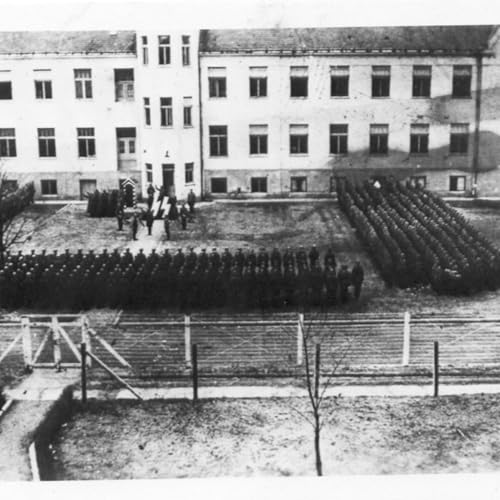
    What did ideological training for SS personnel at the Auschwitz camp look like, and how did the ideology of national socialism influence the functioning of this SS formation? These questions are addressed in the podcast by Dr. Agnieszka Kita, Deputy Head of the Auschwitz Museum Archives.

    ====


    Voiceovers: Therese McLaughlin and Kate Weinrieb

    Mehr anzeigen Weniger anzeigen
    50 Min.
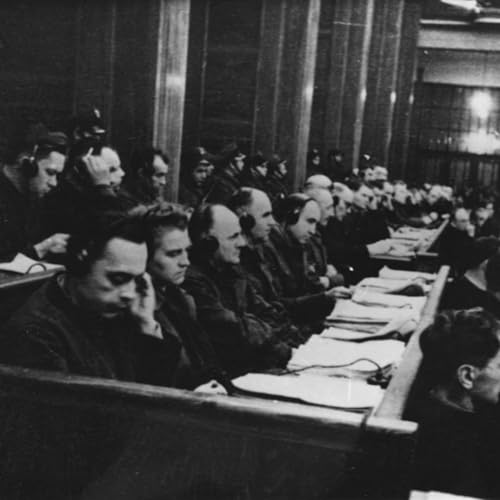
  • "On Auschwitz" (65): The trial of Rudolf Höss and other SS garrison members of Auschwitz
    Oct 13 2025

    Some 8,200 SS men and 200 women overseers served in the camp garrison of the German Nazi camp Auschwitz between 1940 and 1945.

    How were the perpetrators from Auschwitz, including the first commandant, Rudolf Höss, and other garrison members, held accountable?

    Dr. Wojciech Płosa, head of the Archives of the Memorial, explains.

    =====

    Voiceovers: Greg Littlefield, Mike Skagerlind

    Mehr anzeigen Weniger anzeigen
    34 Min.
  • "On Auschwitz" (64): Block no. 11 in KL Auschwitz
    Sep 8 2025

    Block 11 at Auschwitz I was isolated from the rest of the camp. It served as a prison, an execution site, and the quarters of the penal company. Dr. Adam Cyra from the Auschwitz Museum Research Centre talks about the unique history of the so-called Block of Death.

    =====

    Voiceovers: Toon Dressen and Grey Stanford.

    Mehr anzeigen Weniger anzeigen
    38 Min.
  • "On Auschwitz" (63): Punishments in KL Auschwitz
    Aug 4 2025

    At Auschwitz a system of punishments was in place for prisoners who broke camp regulations. In addition to official penalties, SS garrison members and functionary prisoners also imposed so-called unofficial punishments. Dr. Piotr Setkiewicz, head of the Research Center at the Auschwitz Museum, explains the types of punishments and the offenses for which men and women prisoners could be punished.

    =====

    Voiceover: Tom Vamos, Mike Skagerlind

    Mehr anzeigen Weniger anzeigen
    47 Min.
  • "On Auschwitz" (62): Contemporary challenges of education at the Auschwitz Memorial
    Jul 2 2025

    The International Center for Education about Auschwitz and the Holocaust, established as a result of the efforts of Auschwitz Survivors, has been operating at the Memorial since 2005. The Museum director Dr. Piotr Cywiński and Education Center director Andrzej Kacorzyk discuss what education at the Memorial looks like today and what challenges it faces in the context of modern times.

    =====

    Voiceover: Greg Littlefield, Grey Stafford

    Mehr anzeigen Weniger anzeigen
    23 Min.
  • "On Auschwitz" (61): History of education at the Auschwitz Memorial
    Jun 30 2025

    Education at the Auschwitz Memorial has been carried out since the Museum was established in 1947, and the first guides were Survivors who told visitors about the tragic history of the camp from their personal perspective. It was due to the efforts of the Survivors that the International Center for Education about Auschwitz and the Holocaust was established in 2005. Krystyna Oleksy, the first director of the Education Center, discusses its beginnings, the first educational projects, and significant challenges.

    =====

    Voiceover: Mary Castillo, Calum Melville

    Mehr anzeigen Weniger anzeigen
    34 Min.