• Are Emotions Getting in the Way, or Guiding the Conversation? with Dr. Marcia Reynolds
    Nov 30 2025

    In this final episode of the season, we dive into a question every coach and leader grapples with: Are emotions getting in the way… or guiding the way?

    Emotions can stop progress in its tracks or unlock the deepest moments of insight. How we understand, work with, and harness them determines whether conversations remain surface level or transform into powerful turning points.

    To explore this, I’m joined by a global icon in the coaching world: Dr. Marcia Reynolds past President of the International Coaching Federation, bestselling author of Coach the Person, Not the Problem, and a pioneer in using emotional connection to evoke meaningful insight. With her deep grounding in neuroscience and decades of experience, Marcia helps us rethink emotions not as disruptions, but as data that can reshape awareness and spark change.

    Together, we unpack:
    ✨ How to tell when emotions move a client forward — or keep them stuck
    ✨ Why many coaches fear emotional depth, and how to reframe emotions as allies
    ✨ The role emotional awareness plays in creating breakthrough insight
    ✨ How to stay present with strong emotions without being pulled into the story

    Plus, Marcia joins us for a rapid-fire round where she shares her go-to book recommendation, her pre-session ritual, and the emotional superpower she claims as her own.

    As we close the season, this episode is a reminder: emotions aren’t noise they’re signals. When we learn to pause, pay attention, and stay curious, we open the door to deeper conversations, greater clarity, and lasting transformation.

    Tune in, reflect, and let this final episode guide you into more courageous emotional spaces with yourself and with others.

    Mehr anzeigen Weniger anzeigen
    32 Min.
  • Leading with Maturity: Getting Uncomfortable with Uncertainty & Complexity With Anne Duvaux
    Nov 23 2025

    In a world where uncertainty and complexity have become constant companions, leaders can no longer rely solely on experience or expertise. What separates effective leaders today is maturity the ability to regulate emotions, navigate ambiguity with clarity, and respond rather than react.

    In this episode of Ei Café with Azeem, we explore what it truly means to lead with maturity in today’s unpredictable environments.

    My guest, Anne Duvaux, is a neuroscience coach and counsellor specialising in adult development and leadership maturity. Anne brings a rare combination of lived experience and scientific insight from her early career as a chartered mechanical engineer to senior roles in HR and leadership development across Asia and Europe. With over a decade of coaching experience and a multicultural background shaped by living in 8 countries across 3 continents, she helps leaders understand how the brain, behaviour, and maturity evolve under pressure.

    Together, we dive deep into:

    • What “leading with maturity” really means beyond age or seniority

    • Why uncertainty often triggers fear-based decisions and how to shift from reaction to response

    • How emotionally mature leaders create psychologically safe and resilient teams

    • How different generations experience and express maturity and why generational conditioning can either expand or hinder leadership development

    • The crucial role of Emotional Intelligence in accelerating maturity, especially in environments filled with ambiguity, conflict, or rapid change

    • The ways organizations either enable or block mature leadership at scale

    This conversation brings a powerful mix of neuroscience, emotional intelligence, and practical leadership wisdom — offering a clear roadmap for anyone trying to lead with clarity in a foggy world.

    🔗 Connect with Anne on LinkedIn:
    linkedin.com/in/anne-duvaux

    Mehr anzeigen Weniger anzeigen
    32 Min.
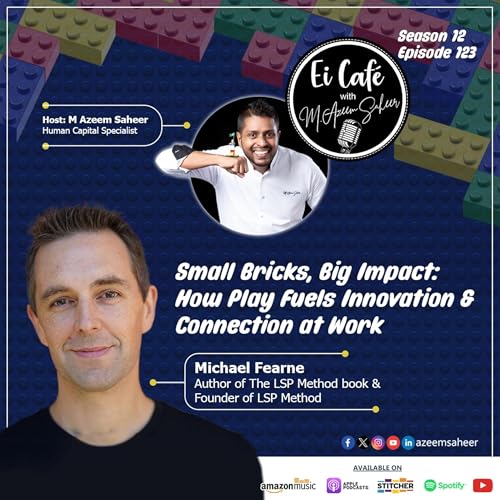
  • Small Bricks, Big Impact: How Play Fuels Innovation & Connection at Work with Michael Fearne
    Jul 15 2025

    In a world obsessed with productivity, deadlines, and efficiency, we often forget the one thing that made us most creative as children—play. But what if the same playful energy could unlock innovation, connection, and strategy in the boardroom?In this episode, we explore how the tiny LEGO® bricks you once played with as a child are now powerful tools for serious transformation in the workplace.

    Yes, it’s not just play—it’s a strategic catalyst for trust, collaboration, and performance.LEGO® Serious Play® (LSP) isn’t about building castles or cars—it’s about building conversations, clarity, and confidence. At both individual and organizational levels, this structured method of play invites people to bring their whole selves—especially their “child self”—into spaces where real psychological safety and breakthroughs can happen. It transforms how teams align, communicate, and co-create solutions.


    Key Insights from the Conversation with Michael Fearne Michael Fearne’s work with LEGO® Serious Play® (LSP) challenges the traditional notion that creativity is a “nice-to-have” in business. He shared rich, thought-provoking insights on how structured play can unlock transformation in even the most structured environments:

    1. Rediscovering Play as a Strategic Tool Michael’s personal discovery of play later in life serves as a reminder that play isn’t reserved for children—it’s a powerful enabler of insight and outcome. In corporate settings, it provides a safe space for new thinking, divergent perspectives, and reflective dialogue.

    2. Reclaiming the “Child Self” in the Corporate WorldIn today’s fast-paced, high-pressure work environments, most people operate from their “Work Self,” often suppressing their natural creativity and spontaneity. LSP reintroduces the “Child Self” in a professional context—not as a regression, but as an accelerator for empathy, openness, and fresh thinking.

    3. Psychological Safety Through PlayTrust and connection are not built through policy—they’re built through experience. Playful methods like LSP create emotional safety, encouraging people to share, challenge, and co-create without fear. This environment is crucial for inclusive dialogue, stronger team dynamics, and accelerated alignment.

    4. Structured Play with Clear PurposeLSP is not about building for fun; it’s play with a purpose. Sessions begin with a defined outcome and are intentionally designed to surface insights, solve challenges, and align people around common goals. It’s not chaotic—it’s structured creativity that leads to measurable outcomes.

    5. Creating the “Aha!” Moment for EveryoneOne of the most powerful aspects of LSP is that it doesn’t just spotlight the loudest voices. Every participant has a chance to externalize their thinking, visualize their perspective, and experience personal breakthroughs—driving collective clarity and buy-in across the room.

    6. Invest in Expertise for Real ImpactMichael emphasized that the value of LSP lies not just in the bricks, but in how they’re used. Organizations serious about transformation should engage certified LSP facilitators, ensuring that sessions are expertly guided to maximize business and cultural impact.


    Key Takeaway:

    1.Are we creating workplaces where innovation can truly breathe?

    2.This episode highlights a fundamental shift in how we approach growth, connection, and performance:

    3.Play is not the opposite of work—it’s the pathway to better work.

    4.Structured play opens space for psychological safety, collaborative problem-solving, and deep engagement.

    5.It enables leaders to listen differently, teams to think visually, and organizations to build trust brick by brick.


    About the Guest – Michael Fearne is the Founder of LSP Method and author of The LSP Method book. He’s a global facilitator and a leading voice in bringing LEGO® Serious Play® into strategy, culture, and innovation conversations within organizations.

    📘 Connect :🌐 www.lspmethod.com or 🔗 LinkedIn :

    Mehr anzeigen Weniger anzeigen
    35 Min.
  • From Shame to Strategy: Emotionally Intelligent Responses to overcome failure with Michael Eatman
    Jul 8 2025

    Why does failure still feel so personal—and so painful—even in progressive workplaces that claim to embrace learning?In this heart-centered conversation, Michael joins me to uncover the emotional roots of failure—and more importantly, how we can transform our response to it. Drawing deeply from his lived experience and professional insight, he shares strategies to move from shame to strategy through the lens of Emotional Intelligence.

    Key Takeaways & Highlights

    1️⃣ Failure is encoded as a threat from childhood. EI helps us decode it.Michael explains how our earliest experiences taught us to associate failure with danger—triggering emotional responses that often linger into adulthood. EI helps us pause, reflect, and respond rather than react with fear or shame.

    2️⃣ Shame is the emotional barrier to growth. Compassion is the key to unlocking it. Shame often leads us to hide, self-criticize, or disengage. Through emotional intelligence, particularly self-awareness and self-compassion, leaders can transform shame into learning.

    3️⃣ The Six Seconds Model: Know, Choose, GiveMichael introduces this practical EI framework:Know: Identify emotions and patternsChoose: Create space between stimulus and responseGive: Contribute with intention and authenticityThis empowers individuals and teams to approach failure constructively.


    4️⃣ AOD – Awareness, Options, DirectionA simple yet powerful tool to shift from reaction to intention:Awareness of emotional triggersExploring Options rather than defaulting to guiltChoosing a Direction that supports growth and resilience

    5️⃣ Culture vs. Climate: Both must align to support learning from failureMichael emphasizes the need to differentiate between:Culture: What the organization says it valuesClimate: What people actually experience dailyTrue psychological safety requires aligning both—especially in how failure is treated.

    6️⃣ Language shapes belonging: Stop "hiring," start "welcoming"Even language can shape whether people feel like outsiders or belong. Michael encourages organizations to rethink HR language and rituals to foster true inclusion and psychological safety.

    7️⃣ Redefining failure: A functional, not personal, view“Failure is a state of being unable to perform a function. It’s not who you are—it’s what didn’t work.”This definition repositions failure as part of the process—not a personal flaw—and invites a mindset of curiosity over criticism.

    Meet the Guest – Michael Eatman is a Master Certified Coach (ICF), Advanced EQ Practitioner, and seasoned Leadership Strategist, with more than 32 years of experience across PreK–20 education systems. A transformative voice in emotional intelligence and cultural awareness, Michael empowers leaders to build collaborative, emotionally intelligent organizations grounded in vision, compassion, and cultural intelligence.He is also the author of Ode to Failure—a powerful and personal book that challenges us to reimagine failure not as a setback, but as a gateway to self-discovery, growth, and collective healing.


    📘 Grab a copy of Michael’s book: Ode to Failure – a bold and healing invitation to reimagine our relationship with setbacks.🤝 Connect with Michael Eatman on LinkedIn

    Mehr anzeigen Weniger anzeigen
    37 Min.
  • Beyond Algorithms: The Future of Coaching with Jazz Rasool
    Jul 2 2025

    As artificial intelligence rapidly integrates into our personal and professional lives, the coaching world stands at a pivotal moment. In this episode, I sit down with Jazz RasoolExecutive Coach, AI strategist, and thought leader in the future of learning—to explore what happens when coaching meets machine intelligence.With over two decades of experience, Jazz brings a unique perspective at the intersection of human development, technology, and ethical transformation. Drawing from his work with organizations such as NASA and the London Mayor’s Office, he challenges us to rethink not just how we coach—but why and for whom.

    Key Themes Covered in the Conversation:

    1.Evolving Ethics in a Human+AI World

    Jazz emphasizes that coaching ethics and standards must adapt when AI is introduced into the process. Traditional ethical frameworks, designed primarily for human-to-human coaching, must now ensure psychological safety, data security, and emotional protection for clients interacting with AI-supported systems. It’s not only about safeguarding coaches—it’s about upholding trust and responsibility toward the client.

    2.A 2008 Turning Point in Tech-Enabled Coaching

    Long before AI entered mainstream coaching discussions, Jazz experimented with capturing coaching insights via a simple Excel spreadsheet. That initiative revealed how structured data could deepen reflection and transformation. It became a foundation for his later work in developing AI systems to support integrated coaching models.

    3.AI as an Enabler, Not a Replacement

    Throughout the conversation, Jazz makes it clear: AI is neither the coach nor the answer. It is a tool—a powerful one—that, when used with intention, can complement the coach’s intuition, highlight patterns, and support more targeted development conversations. The coach remains at the center of transformation.

    4.The Emerging Stages of Coaching with AI

    Jazz outlines three stages shaping the future of AI in coaching:

    • Democratization – Making AI tools accessible and scalable to a broader coaching community.
    • Diversification – Moving away from Western-centric psychological models and allowing coaching to be informed by local cultural values, language, and traditions.
    • Decentralization – A shift away from reliance on formal governing bodies, opening doors for community-driven, tech-enabled coaching systems that still maintain ethical integrity.A Vision for Coaching 5.0


    At the heart of Jazz’s message is the belief that Coaching 5.0 will be defined by human flourishing. It’s not about replacing the coach—it’s about deepening our humanity. As human intelligence shapes AI, the intelligence of machines, in turn, will reflect back insights that help us grow in empathy, self-awareness, and connection. This reciprocal growth between human and machine may well be the path toward a more conscious, emotionally intelligent future.

    About the Guest

    Jazz RasoolJazz Rasool is an Executive Coach, learning scientist, and AI strategist with more than 20 years of experience. He has developed advanced AI-based coaching platforms, trained leaders at international institutions, and continues to consult with major professional bodies on AI ethics, compliance, and competency standards. His work blends technological innovation with a deeply human-centered approach to growth and learning.You can get connected to Jazz via his linkedin https://linkedin.com/in/jazzrasool or log on to http://www.energydiamond.com/ to explore some of his work

    Mehr anzeigen Weniger anzeigen
    37 Min.
  • Look Back to Leap Forward with Katherine Riddoch
    Jun 18 2025

    My guest today is Katherine Riddoch — Founder of To Evolve, a leadership development practice grounded in neuroscience, emotional intelligence, and positive psychology. With nearly 30 years of global experience, Katherine blends coaching, science, and emotion to empower leaders to grow from the inside out.

    She’s the co-creator of Neuro Nudges, a mentor with Riders & Elephants (creators of the Emotional Culture Deck), and a passionate advocate for helping people align who they are with how they lead. In this episode, we explore the science and soul of reflection — and how looking back can help us leap forward. Episode SummaryIn this conversation, Katherine unpacks the science behind reflection and its impact on leadership and personal growth. We explore the Default Mode Network in the brain, how tiny daily Neuro Nudges can build powerful habits, and how naming emotions can enhance emotional intelligence.We also dive into the Strengths Profile model, using it as a lens to understand what fuels or drains us — and how reflecting through a strengths-based approach can build resilience and sustainable leadership. Whether you're a seasoned leader or just beginning your journey, Katherine offers simple, science-backed ways to start reflecting today. Key Takeaways1. Reflection activates the brain’s Default Mode Network, linking past experiences to future aspirations — a key driver for growth and self-awareness.2.Neuro Nudges are small, intentional prompts that, when practiced daily, help leaders build habits aligned with who they aspire to be.3.Emotionally intelligent leadership begins with naming and reflecting on feelings — tools like the Emotional Culture Deck help leaders connect more authentically.4. Understanding what energises and drains you, through a strengths lens, allows for more effective and sustainable leadership choices. A simple reflective habit to start today:Ask yourself: “What did I do today that aligned with the leader I want to be?”🎯 What's in it for you?If you're looking to lead with more intention, self-awareness, and emotional clarity — this episode gives you the tools, insights, and nudges to begin or deepen that journey.you can get connected to Katherine via linkedin

    https://www.linkedin.com/in/katherineriddoch/ or log on to https://neuronudges.com/ for more details

    Mehr anzeigen Weniger anzeigen
    35 Min.
  • The Pause That Powers Progress with Dave Sinclair
    Jun 11 2025

    In this deeply introspective episode, Azeem is joined by Dave Sinclair, a leadership coach helping men reconnect with their core values. Together, they explore the transformative power of pausing—not just as a personal healing tool, but as a strategic leadership asset. From Dave's personal journey of rediscovery through a profound conversation with a psychologist to real-world insights on leadership, the episode reveals how intentional pause can disrupt burnout cycles, foster clarity, and realign us with purpose.The conversation also critically examines how modern workplaces reward constant motion and output, often at the expense of emotional wellbeing and sustainable performance. Dave challenges this norm by advocating for leaders to model mindful pause—showing that it is not only human but also highly effective in today's high-pressure organizational cultures.✨ Key TakeawaysPausing cultivates clarity and deepens alignment with personal and professional values.Leaders must shift from being reactive to reflective—especially in crises.Organizations that create space for mindfulness and emotional self-awareness outperform those that don’t.Small, consistent practices like breathwork and intentional reflection build long-term resilience.Psychological safety begins with leaders who pause before reacting.🎯 What's in it for the AudienceWhether you're a people leader, HR professional, entrepreneur, or aspiring change-maker, this episode offers:A framework to reimagine leadership through the lens of emotional intelligence.Tools to combat decision fatigue and emotional burnout.Insight into creating cultures where being is as valued as doing.Practical tips to embed pause into meetings, daily routines, and organizational rituals.In a world obsessed with speed, the true edge lies in knowing when to slow down. As Dave puts it, pausing isn’t about stopping—it’s about choosing wisely. What could your organization create if it had the courage to pause?

    Mehr anzeigen Weniger anzeigen
    35 Min.
  • Growing You: The Most Important Project , With Asma Alkuwari
    May 27 2025

    In this compelling episode, we delve into the profound journey of personal growth, emphasizing that the most significant project you'll ever undertake is yourself. 🌱✨

    Joining me is Asma Al-Kuwari, a multi-award-winning coach, TEDx speaker, author, and the first Qatari woman and youngest President of ICF Qatar Chapter. Asma brings a unique blend of corporate leadership, UX thinking, and coaching to the table, helping female executives unlock their true potential and lead with authenticity.

    Together, we explore:

    🔑 Key Takeaways

    • 🧠 Mindset Shifts: Discover how altering your mindset can lead to breakthroughs in personal growth.

    • 🎯 Purpose & Productivity: Learn about the habits that help balance high performance with inner alignment.

    • 🤝 Safe Communities: Understand how to build cultures that reflect the safety and connection found in communities like You're Not Alone.

    • 💼 UX-Inspired Coaching: Explore how user experience principles can elevate leadership development in organizations.

    • 🌟 Self-Leadership in High-Demand Cultures: Gain insights into what it truly takes to grow while leading others.

    👤 About the Guest

    Asma Al-Kuwari is a trailblazing Qatari leader with over 12 years in the corporate space and 5+ years as a leadership coach. She is the founder of You're Not Alone, a transformative platform creating brave spaces for women across the Arab and Muslim world. Her mission: empowering female executives to become the best version of themselves.


    🔗 Connect with Asma

    • LinkedIn: Asma Al-Kuwari

    • Instagram: @coach_asmaaa

    • Website: asmaaconsultancy.org

    • Books: Back to That - https://a.co/d/dkZeUlI


      "You're not a side project—you are the main project."Start building from the inside out. The better you become, the better everything around you becomes too.


    Mehr anzeigen Weniger anzeigen
    32 Min.