• Preface to Revelation 5
    Feb 12 2025

    The preface to Revelation 5 by Brian Troxel discusses the significance of Revelation 5 as the central fulcrum of the Gospel, presented as a key moment where Jesus Christ, the Lamb of God, is revealed as the only one worthy to open the sealed book of life, which represents the fate of humanity and all of creation.

    Key Themes:

    1. The Necessity of The Resurrection
      • The resurrection of Jesus is central to the Christian faith, without which life has no meaning.
      • Humanity's fall in the Garden of Eden led to death and separation from God.
    2. Revelation is About Christ, Not Just Events
      • The book of Revelation is not merely about end-times events, but about the unveiling of Jesus Christ as the fulfillment of God's plan.
      • The Holy Spirit was given to reveal Christ and lead believers into all truth.
    3. The Importance of Truth and Righteousness
      • Truth is not just knowledge but Christ Himself.
      • Righteousness is not about mere belief but living in obedience to God.
      • Authenticity and righteousness go hand in hand—God's goal is to transform believers into true, faithful people.
    4. The Sealed Book and the Worthiness of the Lamb
      • The book of life was sealed due to human disobedience.
      • Only Christ, who became fully obedient as a man, could open it.
      • His act of obedience is the pivotal moment in Revelation, signifying the restoration of humanity through Christ’s ultimate sacrifice.
    5. Obedience, Love, and Spiritual Growth
      • Faith is not just hearing God's Word but doing His will.
      • The love of God transforms believers, moving them beyond mere knowledge into deep spiritual relationship.
      • The true church is one body in Christ, united beyond denominational divisions.
    6. Spiritual Discernment and the Last Days
      • A time of great deception is coming; only those who walk in righteousness and love will withstand it.
      • Miracles and signs will be seen from both God and false sources, requiring discernment.
    7. The Future of God’s People
      • The younger generation is called to a greater revelation of God's love and power.
      • God's people will become living signs and wonders, demonstrating Christ through their love and obedience.

    Brian concludes by emphasizing that the Book of Life is still being opened, and believers must live in such a way that reflects the love, righteousness, and truth of Christ.

    Message by Brian Troxel in 2018

    For more written content, go to AWord.info

    Mehr anzeigen Weniger anzeigen
    1 Std. und 3 Min.
  • An Overview of Revelation 1-4
    Feb 3 2025

    This is really a brief overview of the book of Revelation chapters 1-4 in which Brian Troxel, emphasizes the connection between the Book of Revelation and the Tabernacle. He explores how John’s vision on the Isle of Patmos aligns with the spiritual journey through the outer court, the holy place, and holy of holies.

    Key themes include:

    • The seven churches and their symbolic lampstands, representing the Holy Spirit's work.
    • The progression of believers from worldly (outer court) to spiritual maturity (Holy of Holies).
    • The vision of God's throne and how John is drawn into a deeper revelation, symbolizing spiritual growth.
    • The importance of holiness and obedience as prerequisites for dwelling in God’s presence.
    • The contrast between earthly structures and heavenly realities, stressing that true faith is not about building churches but about encountering God.
    • The role of intercession and prayer as a transition into divine intimacy (the altar of incense).

    This insightful and rich message ties biblical imagery to personal spiritual growth, urging believers to move beyond religious structures, teachings and dogma into a deeper relationship with God. Brian urges YOU to dig into the book of Revelation yourself seeking earnestly for the Holy Spirit to reveal the depths of the revelation of Jesus Christ to you personally!

    Message by Brian Troxel in 2018

    For more written content, go to AWord.info

    Mehr anzeigen Weniger anzeigen
    46 Min.
  • Hastening The Day of The Lord
    Feb 2 2025

    Brian emphasizes the urgency of preparing for the return of the Lord, and discusses themes of faith, love, unity, and readiness for Christ’s return. He references 2 Peter 3:12, highlighting that believers can hasten the coming of the Lord through their faith and actions.

    Key themes include:

    • Spiritual Readiness: The day of the Lord will come suddenly and unexpectedly for the world, but believers must be prepared, like Noah building the ark.
    • Unity in the Body of Christ: The church should be united, moving away from divisions and denominational separations.
    • Faith and Works: True faith produces action, love produces labor, and hope brings endurance.
    • The Bride of Christ: The church must purify itself, forsaking all distractions, to be ready for Christ.
    • Harvest and Judgment: The timing of Christ’s return is directly connected to the readiness of His people, and the world will face both judgment, but also a great harvest of souls.
    • Love and Perseverance: Love is central to enduring trial, and believers must remain steadfast in God’s love, even through suffering.

    His message concludes with a call for believers to seek Christ earnestly, rather than getting caught up in the chaos and confusion of world events, to prepare themselves spiritually for His return.

    Message by Brian Troxel in 2018

    For more written content, go to AWord.info

    Mehr anzeigen Weniger anzeigen
    42 Min.
  • Church of the Laodiceans - Part 4
    Dec 14 2024

    In this final episode of “Church of the Laodiceans” Podcast series, Brian focuses once again on faith, obedience, humility, and spiritual transformation. He challenges overcoming believers in God’s remnant to count the cost of discipleship and understand the importance of personal sacrifice for spiritual growth.

    Key points include:

    1. Significance of Trials and Brokenness: Personal trials, such as the story behind the hymn "It Is Well with My Soul," are highlighted as the pathway to spiritual strength and revelation.
    2. Spiritual Poverty: Brian critiques the Laodicean church's attitude of self-sufficiency, drawing from Revelation 3, and emphasizes our need for a deep reliance upon God.
    3. Obedience and Sacrifice: He discusses the concept of spiritual currency, stating that while salvation is free in one sense, it comes with the cost of self-denial and obedience to God.
    4. Metaphors of Light and Brokenness: Imagery such as Gideon's army and the alabaster box illustrates the idea that God's light and glory shine through the brokenness of human vessels.
    5. Call to Action: He encourages believers to embrace humility and to trust God through challenges, allowing our lives to be vessels of His power and presence.

    This is a rich meditation on the depth of faith and humble submission to God's will that are required to walk in genuine spiritual influence and authority in this hour.

    Message by Brian Troxel in 2018

    For more written content, go to AWord.info

    Mehr anzeigen Weniger anzeigen
    45 Min.
  • Church of the Laodiceans - Part 3
    Dec 13 2024

    In this 3rd of 4 episodes in his “Church of the Laodiceans” Podcast series, Brian emphasizes the spiritual condition of the Laodicean church described in Revelation 3, drawing connections to the present-day state of believers and their walk with God.

    Here are the main points:

    1. Spiritual Temperature: The analogy of heart temperature—hot, cold, or lukewarm—serves as a metric for one's passion for God. God desires believers to be "hot," or fully committed to His purposes.
    2. Fire as a Symbol of God's Presence: Fire represents God’s presence, power, and purifying work. The "fire" in a believer's heart reflects their connection to and reliance on God. Maintaining this fire involves a continual relationship with Him.
    3. Reliance on God's Power: Brian highlights the futility of self-reliance, emphasizing the need to work in cooperation with God's Spirit rather than attempting to achieve righteousness through human effort.
    4. Role of the Believer: Believers are likened to wicks that draw oil (God’s Spirit) to sustain the flame of God. Without God's power, the wick cannot burn or shine.
    5. Transformation Through Trial: Hardships and "breaking" of our self-confidence and self-will are difficult but oh so necessary for God’s light to shine through us, and for us to overcome, similar to the breaking of Gideon's pitchers in order for Isreal to overcome the Midianites.
    6. Holiness and Grace: The call to holiness is a central theme, achieved not by personal merit, but through God's transformative work. This requires acknowledging and recognizing personal shortcomings, as well as abandoned yielding to His will.
    7. Practical Faith: Everyday acts of obedience, guided by the Spirit, are seen as a means to let God's light shine, leading to a deeper communion with Him and greater spiritual influence in the world.

    This challenging message is a call for believers to deepen their spiritual commitment, embrace transformation through trials, and allow the life of Christ to shine through our lives as a testimony to His power and glory.

    Message by Brian Troxel in 2018

    For more written content, go to AWord.info

    Mehr anzeigen Weniger anzeigen
    44 Min.
  • Church of the Laodiceans - Part 2
    Dec 12 2024

    In this second episode of his “Church of the Laodiceans” Podcast series, Brian offers a theological reflection on the biblical Church of the Laodiceans, highlighting themes of spiritual complacency, personal connection with God, and the transformative power of divine love. He critiques the lukewarm nature of the Laodicean church, emphasizing that their wealth and self-satisfaction led to spiritual blindness and estrangement from God.

    Key points include:

    1. Ownership of Faith: The Laodiceans’ church is described as man-centered rather than God-centered, contrasting with other churches addressed in the Bible.
    2. The "Amen": The significance of "Amen" as a name of Christ, representing His role as the faithful, ultimate affirmation of God's promises.
    3. Personal Calling: Encourages believers to nurture their unique God-given purpose, resisting external and internal challenges.
    4. Love as Central: Stresses that the core of God's commandments and Christian life is love, leading to genuine faith and good works, not for recognition but as a natural outpouring of Christ’s love.
    5. Covenant vs. Contract: Differentiates between a covenant, which is based on God's steadfast "I will," and a transactional contract mindset.
    6. Friendship with God: Suggests that the highest calling is intimacy with God, where He reveals His will and deeper truths to those aligned with Him.

    The text concludes by emphasizing the pursuit of God’s love as the ultimate purpose and reward of life, urging believers to cultivate their relationship with Him and express His love through their actions.

    Message by Brian Troxel in 2018

    For more written content, go to AWord.info

    Mehr anzeigen Weniger anzeigen
    42 Min.
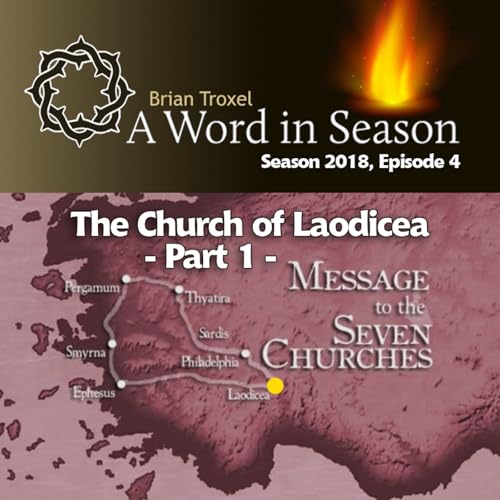
  • Church of the Laodiceans - Part 1
    Dec 11 2024

    In this opening episode of “Church of the Laodiceans” Podcast series, Brian provides a detailed theological analysis of the Church of Laodicea, as mentioned in Chapter 2 of the Book of Revelation. Here are the key points:

    1. Translation and Ownership: Brian emphasizes that the Church of Laodicea is uniquely described in Greek as "the church of the Laodiceans," implying ownership by the people rather than God. This distinction suggests a church governed by human customs rather than divine guidance.
    2. Symbolism and Critique: The Laodicean church symbolizes a lukewarm and spiritually detached state, marked by apathy, self-reliance, and the absence of Christ's presence. He compares this with the biblical portrayal of Jesus knocking at the door, seeking to re-enter the hearts of individuals within this man-centered church.
    3. Historical and Etymological Insights: Brian links the Greek word "Laodicea" to "laos" (people) and "dike" or “dice”(custom or law), exploring how customs evolve into rigid doctrines. He critiques modern churches for adhering to human traditions rather than fostering genuine spiritual purpose.
    4. Parallel with Biblical Narratives: The discussion includes a comparison of Cain's wandering in Genesis to the Laodicean church's lack of spiritual direction. Both are characterized by estrangement from God.
    5. Call for Purpose and Identity: Brian advocates for a return to knowing one's distinct calling in Christ, urging believers to reject generic religiosity and seek a deeper personal relationship with God. He highlights the importance of individuality and complementary roles within the body of Christ.
    6. Challenge to Modern Christianity: Brian’s message comes against contemporary church practices for prioritizing denominational identity and doctrinal rigidity over spiritual authenticity and unity in Christ.

    His overall message challenges believers to transcend the complacency of a Laodicean mindset, to rediscover their identity in Christ, and to seek a more profound, transformative relationship with God.

    Message by Brian Troxel in 2018

    For more written content, go to AWord.info

    Mehr anzeigen Weniger anzeigen
    1 Std. und 7 Min.
  • The Church in Sardis - Part 2
    Nov 28 2024

    The second part of The Church in Sardis Brian continues exploring important aspects related to the Lord’s admonishing message to the church in Sardis, emphasizing the spiritual symbolism of the lampstand, the importance of abiding in Christ, and the continual process of spiritual growth and purification. He draws heavily on other other passages, including Zechariah 4 and Revelation 11, to convey the truth that believers are individual lampstands fueled by the Holy Spirit, represented by the oil in the lamps. He underscores the concept that true ministry stems from abiding in God's anointing and not from personal ambition.

    Brian also discusses the necessity of personal responsibility in nurturing one’s spiritual gifts, emphasizing the role of authentic interaction with God to discover one's purpose, coming against passivity in one’s faith, calling for active pursuit of one's calling and the development of spiritual gifts for the benefit of the church's mission on earth.

    This podcast episode further elaborates on the corporate nature of the church, using the image of two olive trees, stressing the vital importance of unity and that the church's role is to reflect Christ's light through purity, truth, and grace.

    Message by Brian Troxel in 2018

    For more written content, go to AWord.info

    Mehr anzeigen Weniger anzeigen
    28 Min.