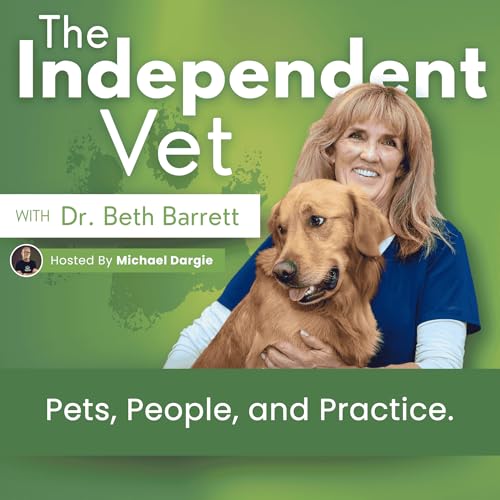
The Independent Vet Titelbild

The Independent Vet

The Independent Vet

Von: Dr. Beth Barrett
Jetzt kostenlos hören, ohne Abo

Pets. People. Practice. Welcome to The Independent Vet — the podcast that helps you give your fuzzy family the best life possible. Hosted by Michael Dargie, join veterinarian Dr. Beth Barrett every other week as they dig into all things pet care: from puppy training and senior cat nutrition to parasite prevention and what to pack in your pet's first aid kit. Whether you're a new pet parent or a lifelong animal lover, you'll find expert advice, surprising facts, and real-life insights from a working vet clinic in Alberta, Canada. Short, practical, and full of heart — because at Barrett Veterinary Practice, we treat your pets like our own.2026 Beziehungen Sozialwissenschaften
  • Summer Safety For Your Fuzzy Friends
    Jun 24 2026
    Season 1 · Episode 09 Run time: ~1 hour 2 minutes Host: Michael Dargie Featuring: Dr. Beth Barrett, DVM Summer is one of the best seasons for making memories with your pets—but it can also be one of the most dangerous. In this episode of The Independent Vet, Michael Dargie sits down with Dr. Beth Barrett to discuss the hidden hazards that arrive with warmer weather and how pet owners can keep their furry family members safe. From heat stroke and wildfire smoke to blue-green algae, ticks, foxtails, and fireworks, Dr. Beth shares practical advice every pet owner should know before heading outdoors. You'll learn how to recognize the warning signs of heat-related illness, which pets are most at risk, and what to do when a summer adventure takes an unexpected turn. Whether you're planning hikes, lake trips, backyard barbecues, or simply enjoying longer days outside, this episode is packed with tips that could help prevent a veterinary emergency. Because summer should be remembered for the fun—not for an urgent trip to the vet. In This Episode Why heat-related illness can become life-threatening faster than most pet owners realizeThe signs and symptoms of heat exhaustion and heat strokeWhich breeds and types of pets are most vulnerable during hot weatherHow wildfire smoke affects pets and when it's safest to stay indoorsThe dangers of blue-green algae in lakes, ponds, and stagnant waterWhat foxtails are and why veterinarians worry about themTick prevention, tick removal, and emerging tick risks in AlbertaFireworks, thunderstorms, and helping anxious pets feel safeSummer hiking and travel tips for dogs and their humansWhen to seek veterinary care immediately Episode Chapters Time Segment 00:00 Cold open & show intro 00:45 Why summer can be dangerous for pets 04:10 Heat exhaustion vs. heat stroke 09:15 High-risk breeds and vulnerable pets 13:40 Wildfire smoke and air quality concerns 17:30 Water safety and blue-green algae 22:05 Foxtails and hidden outdoor hazards 25:50 Tick prevention and removal 29:20 Fireworks, storms, and pet anxiety 32:10 Myth or Muzzle? 33:15 Ask Dr. Beth 34:30 Outro Key Takeaways Heat stroke is a true emergency. Unlike humans, dogs and cats have limited ways to cool themselves. Once body temperature rises too high, organ damage can occur quickly. Early recognition and intervention are critical. Not all pets handle heat equally. Flat-faced breeds, overweight pets, senior animals, and highly active dogs are at significantly greater risk of heat-related illness and require extra caution during hot weather. Water isn't always safe. Blue-green algae can produce toxins that cause severe illness or death in pets. If water looks suspicious, it's safest to keep your dog out entirely. Outdoor adventures come with hidden risks. Foxtails, ticks, hot pavement, and dehydration are all common summer hazards that can turn a fun outing into a medical emergency. Smoke affects pets too. Wildfire smoke can irritate airways and worsen existing respiratory conditions. On poor air quality days, outdoor activity should be limited. Prevention is always easier than treatment. A little planning—bringing water, avoiding peak heat, checking for ticks, and creating a safe indoor space during fireworks—can prevent many summertime emergencies. Myth or Muzzle? MYTH: "If my dog wants to keep playing, they're probably fine." Beth's Take: Absolutely not. Dogs often push through discomfort because they're excited, focused, or trying to keep up with their owners. By the time many dogs show obvious signs of heat distress, they're already in trouble. It's up to owners to recognize the risk and call for breaks before the dog does. Ask Dr. Beth Listener Question: "How hot is too hot to walk my dog?" Short Answer: It depends on the dog, humidity, sunlight, and activity level—but a good rule is to avoid strenuous exercise during the hottest part of the day. Always test pavement with your hand, bring water, and watch closely for signs of overheating. Early morning and evening walks are often the safest choice during summer. Resources & Mentions Barrett Veterinary Practice: https://barrettvet.caAlberta Veterinary Medical Association (ABVMA): https://abvma.ca/Blue-Green Algae Information — Government of Alberta: https://www.albertahealthservices.ca/news/bga.aspx Tick Prevention & Parasite Control Resources: https://www.canada.ca/en/public-health/services/publications/diseases-conditions/lyme-pamphlet.htmlWildfire Smoke Air Quality Updates: https://www.alberta.ca/wildfire-smoke-information Summer Safety Checklist Before heading out with your pet this summer: ✓ Fresh water available at all times ✓ Access to shade and cool resting areas ✓ Tick prevention up to date ✓ Avoid midday heat and hot pavement ✓ Watch for blue-green algae near water ✓ Check ears, paws, and fur after hikes ✓ Create a safe indoor space during fireworks ✓ Know the signs of heat stroke Connect with The Independent Vet ...
    Mehr anzeigen Weniger anzeigen
    1 Std. und 2 Min.
  • Behind the Barn: Meet the Team
    May 21 2026
    Season 1 · Episode 08 Run time: ~35 minutes Host: Michael Dargie Featuring: Dr. Beth Barrett, DVM Episode Description Ever wonder who all those people are at your vet clinic — and what they each actually do? In this special "Behind the Barn" episode, Michael pulls back the curtain at Barrett Veterinary Practice with Dr. Beth Barrett to introduce the full team that cares for your pets. From Tammy at the front desk to the Registered Veterinary Technologists who run anesthesia, x-rays and lab work, to the tech assistants who keep everything flowing — Beth shares why veterinary medicine is a team sport, how she hires for personality fit using the "Colors" framework, and what she's actually doing in the four pillars of her own role. Plus a sneak peek at the AI tools transforming how Barrett documents care, and a few stories you won't find on the website (yes, including the house-trained baby goats). If you've ever wondered why you're seeing three or four different people during one appointment, this is the episode that explains why that's a very good sign. In This Episode Who you actually meet at a vet visit — and why a "team of four" is the goalThe difference between RVTs, tech assistants, and veterinarians (and why Beth doesn't call any of them "her assistant")The "Colours" personality framework Beth uses to build her teamThe four legal pillars of what a veterinarian actually doesHow AI-powered appointment recording is improving discharge summariesWhy Beth says she's "always hiring" the right person Episode Chapters TimeSegment00:00Cold open & show intro00:33Welcome — "Today we're going behind the barn"01:55Section 1 — Meet Tammy: the face of the practice04:40Section 2 — RVTs: the backbone of Barrett13:18Section 3 — Tech assistants: the essential support crew16:30From volunteer to tech: Ayla's story18:25Hiring with the "Colors" personality framework21:00What the vet actually does: the four pillars22:30Tech sidebar — AI-powered discharge summaries27:00Building a team of A-players31:35Myth or Muzzle?32:05Ask Dr. Beth33:00Outro + hiring CTA Key Takeaways Vet medicine is a team sport. Seeing three or four people during one appointment isn't a red flag — it's a sign the clinic is running efficiently and putting the right person on the right job.RVTs are highly trained, regulated professionals. Registered Veterinary Technologists in Alberta are licensed under the same body as veterinarians (ABVMA). They handle anesthesia, dentistry support, x-rays, lab work, nursing care, triage, and a huge share of client education.The vet's role is narrower than most people think. Legally, the veterinarian owns four pillars — diagnosis, prognosis and treatment plan, prescriptions, and surgery. Everything else flows through the team.Hire for fit, not just skill. Beth uses the Colors personality framework to match people to roles they'll thrive in — and looks for "A-players" who match the clinic's culture of warmth, humour, and getting things done.Technology should serve the team. Barrett was an early-adopter clinic in Alberta, and Beth now uses an AI appointment recorder to generate accurate, complete discharge summaries — catching the small details that handwriting and end-of-day typing inevitably miss. Myth or Muzzle? MYTH: "Everyone in scrubs at the vet clinic is basically a vet's assistant." Beth's take: they're all part of the team, but they're not assistants to the vet. If anything, the relationship runs the other way — Beth sees herself as more of a tech's assistant on a lot of procedures. Everyone fills a different role, and each role has its own training, scope, and value. Ask Dr. Beth Listener Question: "Why do I sometimes see three or four people during one appointment? Is something wrong with my pet?" Short answer: no — and you should actually be glad you're seeing three or four people. Each team member is doing what they do best (billing, nail trims, history-taking, diagnosis, discharge). Seeing only the vet would be slower, less thorough, and frankly less warm. The team approach is what makes the appointment work. Resources & Mentions Barrett Veterinary Practice — barrettvet.caThe "Colors" personality assessment — the framework Beth uses for hiring and team-buildingAlberta Veterinary Medical Association (ABVMA) — the licensing body for both veterinarians and RVTs in AlbertaAlberta Veterinary Technologist Association (ABVTA) — the support association for Alberta RVTsAI appointment-recording tools — Beth's clinic adopted one for discharge summaries; Michael now uses a Plaud device for his own meetingsSteve Jobs (quoted): "A small team of A-players will run circles around a large team of B-players." Now Hiring at Barrett LEARN MORE HERE Heard something in this episode and thought, "I'd love to work somewhere like that"? Barrett Veterinary Practice is hiring right now. Visit barrettvet.ca for the latest postings, or call 403.860.5763 to start a conversation. Connect with...
    Mehr anzeigen Weniger anzeigen
    35 Min.
  • Spay, Neuter, or Wait?
    May 6 2026
    Spay, Neuter, or Wait? The Independent Vet — Season 1, Episode 7 Released May 6, 2026 Featuring: Dr. Beth Barrett, DVM Host: Michael Dargie Runtime: 38:15 Episode Overview In this episode of The Independent Vet, host Michael Dargie sits down with Dr. Beth Barrett of Barrett Veterinary Practice to unpack one of the most common—and most debated—questions in pet care: when should you spay or neuter your pet? What starts as a seemingly simple topic quickly becomes a thoughtful conversation about hormones, health, behaviour, breed differences, and responsible pet ownership. Dr. Beth explains why spaying and neutering have long been recommended to help prevent unwanted litters, while also exploring newer research that shows timing matters—especially for certain dog breeds. From growth plates and orthopedic health to cancer risks, urinary incontinence, aggression myths, and options like vasectomy or ovary-sparing spays, this episode reminds pet owners that there is no one-size-fits-all answer. The best choice depends on your pet's species, breed, size, lifestyle, and health risks—and it should always involve a real conversation with your veterinarian. Quotables "Spaying and neutering is not just 'fixing' a problem. It's way more complicated than that." — Dr. Beth Barrett "Hormones are not just used for reproductive purposes. Hormones have a lot of function in our bodies." — Dr. Beth Barrett "Testosterone is very involved in orthopedic health and closure of growth plates." — Dr. Beth Barrett "It is not one size fits all." — Dr. Beth Barrett "If your head is spinning just a little, I think that's the right reaction. This topic deserves more than just a one-line answer." — Michael Dargie "An educated client is a better client." — Dr. Beth Barrett "You've got to respect those chemicals." — Dr. Beth Barrett Key Moments 00:00 – Welcome and Introduction Michael introduces the topic of spaying, neutering, and waiting—and admits he once thought the answer was simple. 01:07 – What Spay and Neuter Actually Mean Dr. Beth explains the basic goal: preventing pregnancy, while noting there are different surgical options for both males and females. 02:34 – Why Spaying and Neutering Became the Default The conversation explores overpopulation, shelter medicine, unwanted litters, and why prevention remains an important goal. 04:28 – Why "Fixing" Isn't the Whole Story Dr. Beth explains why she avoids the word "fixing" and why removing reproductive organs can affect more than reproduction. 05:40 – The Role of Hormones Estrogen and testosterone are discussed as powerful hormones that influence metabolism, growth, behaviour, orthopedic health, and more. 08:30 – Why Timing Depends on the Pet Dr. Beth highlights research showing that breed, size, and species all matter when deciding when to spay or neuter. 09:55 – Orthopedic Health and Growth Plates The episode dives into ACL/CCL injuries, growth plate closure, and why early spay/neuter can affect body structure in some dogs. 13:19 – Cancer Risks and Breed Differences Dr. Beth explains how spaying and neutering may reduce some cancer risks while increasing others in certain breeds. 16:34 – Behaviour, Anxiety, and Aggression Myths The discussion challenges the assumption that spaying or neutering automatically improves aggression or temperament. 18:03 – Urinary Incontinence in Spayed Dogs Dr. Beth explains the link between estrogen and bladder control, especially in older spayed female dogs. 19:48 – What About Cats? Cats are discussed separately, including population control, intact male behaviour, and the current limitations of research. 23:52 – Older Pets and Pyometra Risk Dr. Beth explains why intact older female dogs and cats can be at risk for pyometra, a serious and potentially life-threatening uterine condition. 26:09 – Vasectomy, Ovary-Sparing Spay, and Other Options The conversation covers alternatives to traditional spay and neuter procedures, including vasectomy and ovary-sparing spays. 34:18 – Myth or Muzzle Myth: "Female dogs or cats should have one litter before being spayed." Dr. Beth gives this one a clear myth. 35:31 – Mailbag: Biscuit the Golden Retriever A listener asks when to spay a seven-month-old Golden Retriever. Dr. Beth explains why she would likely wait until growth plates are closed. 36:39 – Final Takeaway The episode wraps with the reminder that timing depends on the individual pet—and a good conversation with your vet is key. About Dr. Beth Barrett Dr. Beth Barrett is a veterinarian and clinic owner at Barrett Veterinary Practice in Alberta. She's passionate about helping pet owners make informed, practical decisions that improve the quality and longevity of their animals' lives. Resources Barrett Veterinary Practice: https://barrettvet.ca Facebook: https://www.facebook.com/barrettveterinarypractice/ Instagram: https://www.instagram.com/barrettveterinarypractice UC Davis ...
    Mehr anzeigen Weniger anzeigen
    38 Min.
adbl_web_anon_alc_button_suppression_t1
Noch keine Rezensionen vorhanden