Snowbirds US Expats Radio Podcast Titelbild

Snowbirds US Expats Radio Podcast

Snowbirds US Expats Radio Podcast

Von: Gerry Scott
Jetzt kostenlos hören, ohne Abo

Über diesen Titel

Whether you're a Canadian snowbird spending winters in the USA, or an American looking to move to Canada, the Snowbirds Expats Radio Podcast is loaded with useful information to guide you. Gerry Scott is the host of this podcast, Monday to Friday, Gerry works with Canadian and US clients as a cross border advisor with one of Canada’s largest and most respected wealth management firms.. The Snowbirds Expats Radio Podcast is brought to you by the Snowbirds US Day Tracker and the Canada Physical Presence Tracker apps. The Snowbirds US Day Tracker app helps you track the number of days you’re spending in the USA, which is essential to avoid being classified by the IRS as a US resident for tax purposes. The Canada Physical Presence Tracker is the easiest and most reliable way to track your physical permanent days for the purpose of renewing your permanent residence card (maple card). Simply enter the days into the calculator and track the progress as you get closer and closer to becoming a full time resident of Canada. Both apps offer a wide variety of services that include, USD exchange, tax and legal services, Real Estate, Medical Tourism, and more. Download them today on your iPhone or Android.Gerry Scott Reiseliteratur & Erläuterungen Sozialwissenschaften
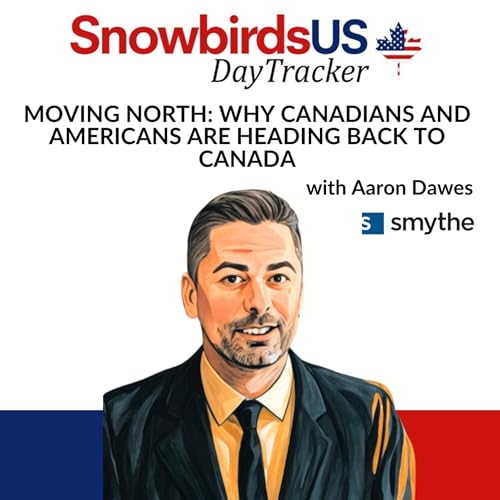
  • Episode 79: Moving North: Why Canadians and Americans Are Heading Back to Canada
    Jan 27 2026

    In this episode of the Snowbirds Expat Radio Podcast, host Gerry Scott welcomes back returning guest Aaron Dawes, a cross-border personal tax expert with Smythe.

    While previous conversations focused on Canadians heading south, this discussion flips the script. With shifting economic, political, and lifestyle factors, more Canadians—and Americans—are now moving north, returning to or relocating to Canada despite weather, cost, and lifestyle tradeoffs.

    Aaron explains what’s driving this trend and what individuals need to consider before making the move, especially when it comes to cross-border tax exposure.

    In this conversation, Gerry and Aaron discuss:

    • Why more Canadians are returning home from the U.S.

    • What’s motivating Americans to relocate to Canada

    • How lifestyle, stability, and long-term planning factor into relocation decisions

    • The tax implications of moving between the U.S. and Canada

    • Why cross-border tax planning is critical before you move

    • Common mistakes people make when changing tax residency

    • How working with a specialist can prevent costly surprises

    With decades of experience handling U.S.–Canada personal tax matters, Aaron offers practical insights for snowbirds, expats, and globally mobile families navigating an increasingly complex cross-border landscape.

    If you’re considering a move—or a move back—this episode highlights why planning ahead matters more than ever.

    Spending time in the U.S.? Take the guesswork out of tracking your days. Download the Snowbirds U.S. Day Tracker app to monitor your stays, stay compliant, and avoid costly surprises at the border.

    Connect with Aaron Dawes

    Mehr anzeigen Weniger anzeigen
    26 Min.
  • Episode 78: Leaving Canada: What 106,000 Departures Reveal About Tax, Residency & Exit Planning
    Jan 13 2026

    What does it really mean to leave Canada — and how do you know when you’ve crossed the line from spending time abroad to officially exiting?

    Host Gerry Scott sits down with Jennifer Reid CPA, CGA, TEP and Frank Casciaro of RSM, two cross-border tax specialists who advise Canadians navigating complex international lives — from snowbirds and dual citizens to executives, business owners, and globally mobile families.

    With deep experience in international tax and firsthand insight from working with clients before, during, and after a Canadian exit, Jen and Frank break down why leaving Canada is not just a lifestyle decision — it determines how your assets are taxed, what reporting obligations follow you, and where costly compliance mistakes often happen.

    Together, Gerry, Jen, and Frank unpack the realities behind some of the most misunderstood rules in Canadian departure planning, including why residency is rarely as simple as counting days or keeping a Canadian mailing address.

    In this conversation, they explore:

    • Why more than 106,000 Canadians left the country in 2025 — and what’s driving the trend

    • The difference between being a factual resident and a non-resident of Canada

    • Why spending a few months abroad doesn’t automatically mean you’ve exited

    • What departure tax and “deemed disposition” really mean in practice

    • Which assets are subject to departure tax — including worldwide holdings, not just Canadian ones

    • When deferring departure tax may be possible, and why it’s becoming harder to do

    • How the Canada–U.S. tax treaty can help prevent double taxation — and where it falls short

    • Why health care eligibility (including OHIP) is not tied to your tax return

    • The compliance risks of keeping Canadian bank accounts, investments, or a family address after leaving

    • TFSA, RRSP, and withholding tax issues that frequently catch departing Canadians off guard

    • Why planning before you leave is far less expensive than fixing mistakes afterward

    If you’re living, working, retiring, or investing outside Canada — or considering a permanent move — this episode offers a clear, practical look at what truly defines a Canadian exit and the planning steps that can save you from expensive surprises down the road.


    Mehr anzeigen Weniger anzeigen
    26 Min.
  • Ep. 77 Tax Residency Between Canada and the U.S. : What Really Determines Where You’re Taxed
    Dec 30 2025

    What does it really mean to be a tax resident — and why do so many people accidentally get it wrong when moving between Canada and the United States?

    Host Gerry Scott sits down with Nicole Madaisky, a dual-licensed Canadian and U.S. CPA who specializes in complex cross-border lives — from snowbirds and dual citizens to professional athletes and globally mobile families.

    With deep experience in international tax and firsthand insight from working with clients on both sides of the border, Nicole breaks down why tax residency is not just a formality — it determines who gets to tax you, how much you owe, and where costly mistakes often happen.

    Together, Gerry and Nicole unpack the realities behind some of the most misunderstood rules in cross-border tax planning, including why residency is rarely as simple as counting days or holding a passport.

    In this conversation, they explore:

    • Why tax residency — not citizenship — often determines which country can tax your worldwide income

    • How Canada’s primary and secondary residential ties actually work in practice

    • Why the 183-day rule is frequently misunderstood and rarely tells the whole story

    • The common ways Americans and Canadians unintentionally trigger tax residency without realizing it

    • What snowbirds need to understand about time tracking, treaty rules, and U.S. exposure

    • Why buying property in Canada too early can create long-term tax and compliance issues

    • How Canadian mutual funds can become a serious problem for U.S. taxpayers

    • The foreign reporting requirements that carry steep penalties when overlooked

    • Why cross-border planning works best when accountants, advisors, and immigration professionals work as a coordinated team

    If you’re living, working, retiring, or even just spending extended time between Canada and the U.S., this episode offers a clear, practical look at the rules that matter most — and the planning steps that can save you from expensive surprises down the road.

    Get In touch with Nicole: https://www.nicolemadaiskycpa.com/

    Spending time in the U.S.? Take the guesswork out of tracking your days. Download the Snowbirds U.S. Day Tracker app to monitor your stays, stay compliant, and avoid costly surprises at the border.


    Mehr anzeigen Weniger anzeigen
    32 Min.
Noch keine Rezensionen vorhanden