Folgen

  • 4 Great Savings Challenges for 2026 - Money Tip Tuesday
    Feb 17 2026
    Is saving more money one of your New Year's resolutions this year? If so, beginning to save money can be overwhelming if you’re not sure where to start. Take the pressure off your financial goals by making saving fun with one of our savings challenges. Links: Roll the Dice Savings Tracker template: https://triangleuniversity.org/wp-content/uploads/2025/04/Roll-the-Dice-Savings-Challenge.pdfCheck out TCU University for financial education tips and resources!Follow us on Facebook, Instagram and Twitter!Learn more about Triangle Credit Union Transcript: Welcome to Money Tip Tuesday from the Making Money Personal podcast. Savings challenges are great for building consistent saving habits while also growing your savings accounts. If you’re ready to crush your savings goals this year, these challenges are the perfect way to get it done! Here are four savings challenges you can start in 2026: 52 Week Envelope Challenge This savings challenge combines the 52-week challenge with the 100-envelope challenge. Instead of saving money chronologically (week 1 - $1, week 2 - $2, etc.) and depositing that amount into your savings account, you will fill out 52 envelopes—each with a dollar amount that corresponds with each week of the year. Once you have your envelopes labeled, give them a quick shuffle to randomize them, then place them back in the box (or set them aside). Each week, pull a random envelope from its place and save that amount. For example, if you pulled an envelope labeled $39, you would save $39 dollars that week. If you are using cash, place the $39 in that envelope until the end of the year, or head to your local bank or credit union to deposit it. If you are completing this challenge with an online savings account, make sure to transfer the appropriate amount each week. Pause Your Subscriptions Streaming services, food delivery services, and product boxes are monthly subscriptions that most American consumers pay for; some people have multiple subscriptions for the same service-- for example, some consumers subscribe to both DoorDash’s DashPass and Uber Eats’ Uber One. Too often, one signs up for a free trial with the intent to cancel before the free trial ends, only to forget and be charged for the service. If you’re not keeping an eye on your finances and tracking all your expenses diligently, you may be paying for subscriptions without even realizing it. Take some time to review your bank accounts and credit card statements from the past few months and highlight any recurring charges. Then analyze the charges and decide which subscriptions could be paused or canceled temporarily. Maybe you subscribed to a streaming service to watch one show a few months but haven’t watched anything on that platform since; maybe you’ve decided to stop getting food delivered anyway, so you no longer need those subscriptions. Pause or cancel any subscription you’re not currently using and put that money in your savings account or investments instead. You may even find that after a few months, you don’t miss those subscriptions anyway! Roll-the-dice Challenge Gamifying savings is a great way to turn something that might be stressful or scary into something entertaining and enjoyable! This challenge is flexible and can be done daily, weekly, or monthly, depending on your goals and financial situation. Simply roll a die and set aside the cash or transfer that amount to your savings account. For example, if you roll a 1, save $1; if you roll a 6, save $6, etc. Looking to save a little more each time? Roll a pair of dice (or one die twice) and save that amount. Make sure you record your rolls and track your progress on our Roll-The-Dice savings tracker. made especially for this challenge. Link will be in the show notes Create Your Own Savings Challenge This challenge is great if any of the other savings' challenges don’t pique your interest OR if you are saving for something in particular-- such as a new car, an upcoming vacation, etc. Creating your own savings challenge is easy! Download our savings challenge template and fill it out with YOUR numbers. For example, if you are saving up for a down payment on a new car, figure out how much you need to save up and record that on the savings challenge page. Then, divide that number by 10 and label each section of the savings challenge tracker—that is how much you will save at a time in order to cross off sections of the tracker. Once the tracker is filled out completely, you will have the full amount needed for your car's down payment. If saving money is one of your New Year's resolutions this year, we hope you’ll consider one of these savings challenges as a fun way to jump-start your savings goals. If there are any ...
    Mehr anzeigen Weniger anzeigen
    5 Min.
  • 3 Reasons to Get Pre-Approved Before Buying a Car - Money Tip Tuesday
    Feb 10 2026

    President’s Day is right around the corner, which means if you’re shopping for a car, you’re in luck! Dealerships across the country offer discounts for the President’s Day weekend, sometimes extending them for a week or more. If you’re planning on shopping these deals, now’s the chance to head to the dealership with confidence and a pre-approval.

    Links:

    • Get a great on your next pre-approval with Triangle
    • Check out TCU University for financial education tips and resources!
    • Follow us on Facebook, Instagram and Twitter!
    • Learn more about Triangle Credit Union

    Transcript:

    Typically, Presidents’ Day sales are the first official sales events of the year. While this makes sense for dealerships experiencing a slump in auto sales during the cold winter months, this is also the perfect time for consumers who have recovered from the holiday season.

    If you’re on the hunt for an auto deal this President’s Day, consider getting preapproved for an auto loan before setting foot into an auto dealership.

    1. Stay on Budget

    Staying on budget is essential during the car-buying process. Before applying for an auto loan, you must outline your budget to make sure you have a clear understanding of how much you can afford.

    Once you know how much you can afford, a preapproval is an extra step you can take to ensure you stay on budget, helping you go into the car-buying process as prepared as possible.

    1. Save Time at The Dealership

    We’ve probably all been there. You go to the dealership expecting to test-drive a car, and the next thing you know, it’s been 3 hours, and you’re sitting in an office waiting for paperwork.

    Wouldn’t it be nice if you could cut that time down so you can spend less time at the dealership and more time doing what YOU want?

    If you go to the dealership with a preapproval in hand, you won’t have to sit there while they run your credit and search for auto loan rates, which saves you time in the end.

    1. Avoid Dealership Upsells

    Another benefit of shopping for a car with a preapproval is being able to avoid dealer upsells and add-ons. A typical dealer tactic is to push buyers to sign up for extended warranties or other add-ons they typically aren’t interested in.

    With a preapproval, you have a designated amount you are approved for; therefore, when dealers approach you with all the extras, you can shut it down by saying those extras do not fit within your approved amount.

    What You Need to Get Preapproved

    If you’re interested in getting preapproved before shopping for a car, here is what you should have prepared:

    • Personal Information: Name, date of birth, Social Security number
    • Housing Details: Address, how long you’ve lived at that address, monthly housing payment, information on whether you rent or own
    • Income: Employment status, employer’s name, gross annual income
    • Loan Details: Desired loan amount, desired length of loan
    • Trade-in or Down Payment: Title and registration if trading in a vehicle or the amount of the down payment

    If you’re on the hunt for a new or used car, now’s the time to start out strong with a pre-approval. We offer many affordable financing options and our competitive auto rates are here to help.

    If there are any other tips or topics you would like us to cover, let us know at tcupodcast@trianglecu.org. Like and follow our Making Money Personal FB and IG page and look for our sponsor, Triangle Credit Union on social media to share your thoughts.

    Thanks for listening to today’s Money Tip Tuesday and check out our other tips and episodes on the Making Money Personal podcast.

    Have a great day!

    Mehr anzeigen Weniger anzeigen
    4 Min.
  • 5 Ways to Show Love Without Touching Your Credit Card - Money Tip Tuesday
    Feb 3 2026
    We’re always looking for ways to save you all money, and with Valentine’s Day right around the corner, it’s so easy to go over budget, that is, if you even had one anyway. For those trying to dial back a little on spending this year, we’re sharing a few ways to celebrate Valentine’s Day without having to take out that credit card. Links: Check out TCU University for financial education tips and resources!Follow us on Facebook, Instagram and Twitter!Learn more about Triangle Credit Union Transcript: Welcome to Money Tip Tuesday from the Making Money Personal podcast. Valentine’s Day often comes with a lot of pressure—lavish dinners, expensive gifts, and grand gestures that can leave your wallet feeling less than romantic. But here’s the truth: love doesn’t have to come with a price tag. In fact, some of the most meaningful ways to show you care cost absolutely nothing. If you’re looking to celebrate without swiping your credit card or maybe minimizing its use, here are five heartfelt ideas that prove thoughtfulness beats extravagance every time. The Power of Personal Touch Nothing says “I love you” quite like words straight from the heart. Instead of buying a pricey card, write a heartfelt letter or even a poem. Share your favorite memories, what you appreciate most about your partner, and your hopes for the future. Often it’s easy to splurge on candies or flowers, but if you’re cutting back on buying things this year, making something from the heart can be just as nice. Trying something like a handwritten note feels personal and timeless—something they can treasure for years. Besides a handwritten letter or note, crafting something unique from scratch can be just as meaningful. For the creative folks, browse through ideas online from a site like Pinterest where you’ll find plenty of thoughtful homemade Valentine's crafts and gifts for your special someone. Quality Time Over Price Tags Sometimes, the best gift is your undivided attention. Plan a tech-free evening where you both disconnect from screens and focus on each other. Screens are often distractions from the present moment, robbing us of the true value that comes with being together. Make the holiday more special by offering your undivided attention and just spending time together. If you’re unsure what to do, try an idea like cooking a meal together using what you already have in the pantry. You could also take a walk under the stars and talk about your dreams, or you might enjoy dusting off a board game or card deck for some friendly competition. Quality time strengthens emotional bonds and creates lasting memories—no receipt required. Acts of Service Speak Volumes Love isn’t just about words; it’s about actions. Doing something that makes your partner’s life easier can be incredibly romantic. There are many times in life when acts of service are the perfect gift. For those who are busy and don’t have time to tackle common daily tasks, they can build up and cause much uneasiness or stress. For many loved ones this Valentine’s Day, something simple like an act of service might just be the perfect gift they’d been hoping for. One idea could be to make your significant other breakfast in bed. You could tackle a chore they’ve been dreading or even organize a space they use often, like their desk or closet. To up the stakes and gain points, pick one task the night before and surprise them by morning. Acts of service are beautiful gifts because they show thoughtfulness and effort, which often means more than any store-bought gift. Create Something Together Shared creativity can be a powerful bonding experience. Instead of buying something, make something together. If you know your significant other is crafty and values building or creating, this may be the perfect Valentine's Day gift. You could curate a playlist of songs that remind you of each other. You might enjoy baking cookies or trying a new recipe together or you could even start a photo album or scrapbook of your favorite moments. Collaborative projects create fun, laughter, and a sense of accomplishment—plus, you’ll have a keepsake to look back on. Memory-Making Experiences Experiences often outshine material gifts. Plan a free adventure that gets you out of your routine. Depending on where you live, this option might be teeming with possibilities. If the weather is good, go for a nature walk or hike in a local park. Check out free museum days or community events going on in the area. If you’d prefer not to leave the house, have a picnic at home or in your backyard with homemade snacks. Shared experiences deepen your connection, give you stories to tell for years to come, and will be worth their weight in memories. Love isn’t measured in dollars—it’s ...
    Mehr anzeigen Weniger anzeigen
    6 Min.
  • Wasteful Habits That Can Drain Your Wallet - Money Tip Tuesday
    Jan 27 2026
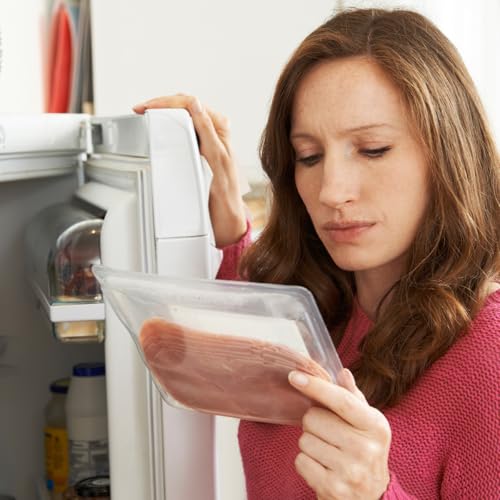
    How often have you looked at your bank accounts and thought to yourself, “where did all my money go?”, or how many times have you felt buyers’ remorse after purchasing something? The truth is that it's way too easy to spend without noticing how much money is actually slipping away. In this episode, we’ll talk about 7 common habits that cause people to waste money and share some tips on how to correct them. Links: Check out Triangle's competitive Personal Loan and Auto Loan refinance rates to start saving moneyCheck out TCU University for financial education tips and resources!Follow us on Facebook, Instagram and Twitter!Learn more about Triangle Credit Union Transcript: Welcome to Money Tip Tuesday from the Making Money Personal podcast. Many people believe they don’t have enough money because they don’t earn enough, but often the real issue is spending too much. Most of us don’t spot wasteful spending right away. It can build up for different reasons and turn into a habit. If your habits aren’t helping, they could be hurting. To make the most of your money, it helps to know where you might be wasting it. Here’s a list of a few wasteful habits that tend to drain our money. The first one is throwing away food. Have you ever filled your fridge, only to toss out a lot of it a week later? This is a major way people waste money. If you want to cut waste, start here. Fix this habit by making a food plan. Choose recipes for each meal, list the ingredients you need, and buy only those. Planning ahead keeps you organized and helps you use everything you buy rather than waste it. Habit number two is spending too much on dining out. After a long day, it’s tempting to order takeout or eat out if you haven’t planned a meal. But eating out often adds up fast. With food, drinks, tip, and tax, you might spend more on one meal than it would cost to make several at home. What can you do? Plan your at-home meals in advance and set a budget for dining out. This way, you'll have money set aside to spend on dining and can enjoy eating out without guilt. Habit number three is impulse buying. Impulse buying often happens for emotional reasons. If you buy more than you planned, that’s an impulse purchase. This can waste a lot of money, especially if you didn’t budget for it. To change this, try shopping in person with cash and bring a list—only buy what’s on it. If you shop online, use a debit card instead of a credit card. You’ll have to pay close attention to your spending because you’re limited by that account balance. Habit number four is buying brand-name items when generic products work just as well. People often spend more on brand names without noticing. Brand-name products can cost 20% to 30% more, even when generics work fine. Look at the items you usually buy and see if the price difference is worth it. Many generic products, especially food products, contain the same ingredients. Do your research and choose what makes sense. Habit number five is stocking up on too many things you don’t need. The Internet is full of people showing off their hauls—candles, body scrubs, food, sneakers, clothes, and more. Many of us like to collect things, but there’s a fine line between collecting and overbuying. Content creators, ads, and online messages often tempt us to buy things we think we’ll use but don’t really need. This can be wasteful, especially since some items, like cosmetics and beauty products, expire. If you stock too much, they may go bad before you get to use them. Avoid this habit by sticking to a budget to help avoid overspending on things you don’t need. If you’re considering items that have a shelf life, be intentional to use up what you have before buying more. Habit number six is paying unnoticed fees or subscriptions you don’t need. How many subscriptions do you have? Can you keep track of them all? Have any gone up in price in the last six months or year? If you don’t keep track, you might end up paying more than you planned. Avoid wasting money on fees and subscriptions by checking them regularly. Cancel the ones you don’t use or downgrade the plan if necessary. When it comes to late fees, check your account history for any missed payments. Companies will charge a fee when a payment isn’t made on time, so the best way to avoid these fees is to stay organized. Mark up a calendar or set alerts on your phone to stay on top of all payments and use auto pay tools to ensure the payment is made on time. Wasteful habit number seven is paying high interest on loans. If you think you’re paying too much interest each month, you might be right. Interest rates change over time, and your rate could be higher than necessary. To avoid this, consider refinancing your loans to get a lower...
    Mehr anzeigen Weniger anzeigen
    5 Min.
  • Episode 89: Real Stories, Real Scams and Tips to Outsmart Identity Thieves
    Jan 22 2026

    With FTC and FBI reports showing billions lost to cybercrime in 2024, we stress the importance of vigilance, real‑time alerts, and identity protection tools. In this episode, we break down the rising threat of identity theft, from phone and email scams to crypto fraud and even AI-driven voice cloning. We also share personal experiences and practical advice to help listeners stay proactive and prevent fraud.

    Links:

    • Learn more about the identity theft protection benefits with Better Checking
    • Check out TCU University for financial education tips and resources!
    • Follow us on Facebook, Instagram and Twitter!
    • Learn more about Triangle Credit Union

    *Better Checking is not an insurance product

    Mehr anzeigen Weniger anzeigen
    37 Min.
  • Kick off the New Year Safe from Tax Identity Theft - Money Tips Tuesday
    Jan 20 2026
    As we step into a new year, now is the perfect time to start fresh-and that includes safeguarding yourself against tax identity theft. Everyone is at risk of falling victim to tax identity theft, and thousands of Americans are impacted by this crime each year. Fraudsters often target taxpayers early in the year, hoping to take advantage of the busy tax season preparations. Links: Get started on this year's taxes, consider filing through IRS Free File Guided Tax SoftwareIRS tips for finding a trustworthy tax professionalCheck out TCU University for financial education tips and resources!Follow us on Facebook, Instagram and Twitter!Learn more about Triangle Credit Union Welcome to Money Tip Tuesday from the Making Money Personal podcast. According to the IRS, tax-related identity theft occurs when someone uses your stolen personal information, including your Social Security number (SSN), to file a tax return claiming a fraudulent refund. A successful scammer can create an online return using your SSN, even if they don’t spell your name right. Once the fraudulent account is established, they can not only use it to file taxes on your behalf and receive your refund but also to receive future payments from the federal government. The criminals are adept at using accounts that funnel money into prepaid debit cards so that it is untraceable and unrecoverable. Here are five tips to help you avoid becoming the next victim and help protect yourself against tax-related identity theft. Secure Your Personal Information. Keep your Social Security number (SSN) or individual tax identification number (ITIN) in a secure location. When asked for these numbers, be skeptical and verify that it is a legitimate need. Additionally, keep your home computer security software up to date, and run regular software updates on your connected devices, including the seemingly less risky ones like smartwatches. File Your Taxes Early and Securely. The sooner you submit your tax return, the harder it is for fraudsters to submit a fake one in your name. As soon as you have the necessary documentation, go ahead and take care of this right away. Always file taxes through a reputable service and use a secure internet connection if filing online; avoid transmitting such sensitive information through public Wi-Fi. You may consider filing through IRS Free File Guided Tax Software. If you feel more comfortable relying on a professional to prepare your tax return, choose your tax preparer with care. Monitor Your Financial Statements, Mail, and Email. Regularly check account statements for any unusual activity. Your first sign of tax identity theft this season will usually be a letter from the IRS after filing your return, informing you that one has already been filed using your SSN. Year-round, expected payments that are not received are another sign to watch for. Also be mindful of any tax reporting documents from employers you have never worked with. Rather than ignoring them, follow up to ensure someone else hasn’t stolen your identity and taken a job using your information. Communicate with Caution. Beware of unsolicited emails, phone calls, or text messages asking for personal information, and verify the source before you respond. Remember, the IRS will never initiate contact with taxpayers by email, text, or social media to request personal or financial information, including your taxpayer Identity Protection PIN, nor will they ever threaten lawsuits or arrest. Create an Online Account at the IRS Website. Visit the IRS online account website (www.irs.gov) to create your account now and monitor it regularly. While a lot of personal information is required to create the account, once you have done so, you can monitor your tax activity throughout the year, including if a return has been filed in your name. Through your online IRS account, you can then request an Identity Protection PIN (IP PIN). Once established, the PIN must be included on your federal tax return in order for it to be processed as valid. Remember, even with all these precautions, tax-related identity theft can still happen. That’s why Triangle Credit Union offers Fully Managed Identity Theft Recovery services for Better Checking account holders. If you suspect your identity has been compromised or you suspect identity theft for any reason, Identity Theft Recovery Advocates will help you recover and mitigate any damage. Learn more about Better Checking at trianglecu.org or click the link in the show notes. If there are any other tips or topics you would like us to cover, let us know at tcupodcast@trianglecu.org. Like and follow our Making Money Personal FB and IG page and look for our sponsor, Triangle Credit Union on social media to share your thoughts. Thanks for listening to today’s Money Tip Tuesday and check out our other tips and episodes on the Making Money ...
    Mehr anzeigen Weniger anzeigen
    5 Min.
  • 4 Reasons to Refinance Your Car this Winter - Money Tip Tuesday
    Jan 13 2026

    So many of us look over our finances in the new year, not only to look back on how much we spent during the holidays, but also to optimize our finances going forward. It's time to look at ways to free up some money this year and one of those ways might involve examining your existing auto loan.

    Links:

    • Get a great auto refinance offer with our limited time special refi rate
    • Check out TCU University for financial education tips and resources!
    • Follow us on Facebook, Instagram and Twitter!
    • Learn more about Triangle Credit Union

    Welcome to Money Tip Tuesday from the Making Money Personal podcast.

    The holidays might be over, but the spending continues. If you’re recovering from holiday spending, you’re probably tallying up the money you’ve spent, planned, and unplanned. The good news is that now’s a great time to make adjustments that could save you some money and help you recover a little faster in the new year. One great adjustment you can consider is to refinance your current auto loan.

    4 Reasons to Refinance Your Car This Winter

    1. Lower Your Monthly Payment

    One of the benefits of refinancing your auto loan, when you qualify for a lower rate, is that your monthly payment can decrease, which means you will be saving more each month. A little extra money each month is great, because it gives you more money that you can put towards debt, new year’s goals, or even just add to your savings. With a lower monthly payment, you can start this New Year on a better financial path than before.

    1. 30-60 Day Deferred Payment option

    Some lenders offer deferred loan payments for 30, 60, or up to 90 days after loan closing. If this is something offered to you, refinancing your auto loan at this time could be the best choice. Why? Well, delaying your loan payment for 1-3 months (depending on what is offered to you) can offset any large purchases you plan on making (or have made) and give your wallet some breathing room.

    1. Lower Interest Rate

    Depending on when you financed your current car loan, it’s probable that either auto loan rates have fallen, or your credit score has improved, or both. If that’s the case, you may qualify for an auto loan with a lower APR, which, over time, can reduce the amount you’d pay in interest on the loan.

    1. Shorter Term

    Not everyone wants to refinance their auto loan for a lower monthly payment. If your current auto loan is longer than you’d like, consider refinancing for a shorter term. Although this will raise your monthly payment, refinancing for a shorter term can benefit you in the long run by helping you pay off your debt sooner, and in the not so distant future, you could enjoy living without a car payment.

    Auto refinancing is not a standard process for everyone, as each person has a unique situation. If you find yourself wanting to refinance your car loan, Triangle Credit Union is offering a limited-time 4.99% APR* special. Visit our website for full terms and conditions and check the link in the show notes to apply online!

    If there are any other tips or topics you would like us to cover, let us know at tcupodcast@trianglecu.org. Like and follow our Making Money Personal FB and IG page and look for our sponsor, Triangle Credit Union on social media to share your thoughts.

    Thanks for listening to today’s Money Tip Tuesday and check out our other tips and episodes on the Making Money Personal podcast.

    Have a great day!

    Mehr anzeigen Weniger anzeigen
    3 Min.
  • Identity Protection Tips for the New Year - Money Tip Tuesday
    Jan 6 2026
    Though the Holiday season has just wound down and we’ve celebrated the arrival of a new year, this time of year is still peak season for cybercriminals and identity thieves. Links: Explore sites Charity Navigator and Give.org to find trusted charity organizationsLearn more about the benefits of a Better Checking accountCheck out TCU University for financial education tips and resources!Follow us on Facebook, Instagram and Twitter!Learn more about Triangle Credit Union Transcript: Welcome to Money Tip Tuesday from the Making Money Personal podcast. With online shopping, traveling, and increased sharing of personal information, the risk of identity theft can rise dramatically this time of year. Follow these tips to help keep your identity safe and, in turn, keep this season, and your new year, stress-free. Safeguard Your Personal information Whether you’re still shopping in-store or online or traveling to visit friends and family, limit the information that you share. Avoid oversharing and only provide the details necessary for a purchase or transaction. Shred any sensitive documents, since discarded holiday offers, receipts, and financial statements can be goldmines for thieves. Finally, stay vigilant of potential phishing scams. Ignore unsolicited emails or messages asking for personal details for payment information. Strengthen Your Digital Security Cybercriminals ramp up their activities before and after the holidays. Keep your accounts secure and help protect your personal information by enhancing the security of your accounts and your devices. You can stay secure by keeping software up to date. Regular updates help patch vulnerabilities in your devices and the applications that you use. Additionally, when you enable Multi-Factor Authentication (MFA) you can significantly reduce the risk of unauthorized access to your account by validating your identity through more than one authentication method. And remember to use strong, unique passwords for each of your accounts. Watch Out for Charity Scams While the season inspires generosity, it’s also exploited by scammers. Before you donate, take time to verify the charity’s legitimacy. Trusted sites like Charity Navigator and Give.org can help you identify and evaluate charity ratings and donor resources. Avoid donating through email or social media links and go directly to the charity’s official website. Secure Your Mail and Travel Plans During this time of year, your mail and travel habits can expose you to risks. Hold your mail if you are traveling or ask a trusted neighbor to collect it. Beware of package theft, too. If you are unavailable to bring deliveries inside right away, consider using secure delivery options or pick-up lockers to keep your parcels safe. Additionally, if you’re traveling in the near future, be mindful about what you share. Advertising your absence or accidentally revealing sensitive data in photos, such as full name and date of birth, could increase your risk of identity theft and fraud. At Triangle Credit Union, your security is our top priority. By following these tips now and throughout the year, you can significantly reduce the risk of becoming a victim of identity theft. Stay vigilant and proactive in looking after your personal and financial information. If you suspect identity theft for any reason, contact us - even if it’s not related to your account at Triangle. If you have a Triangle Better Checking account, you have access to a professional, certified Identity Theft Recovery Advocate who can work with you one-on-one to identify and resolve identity theft or fraud and return your identity and your accounts to pre-event status. If there are any other tips or topics you would like us to cover, let us know at tcupodcast@trianglecu.org. Like and follow our Making Money Personal FB and IG page and look for our sponsor, Triangle Credit Union on social media to share your thoughts. Thanks for listening to today’s Money Tip Tuesday and check out our other tips and episodes on the Making Money Personal podcast. Have a great day!
    Mehr anzeigen Weniger anzeigen
    4 Min.