Faith Between Sundays Titelbild

Faith Between Sundays

Faith Between Sundays

Von: Faith Church Hazleton
Jetzt kostenlos hören, ohne Abo

Nur 0,99 € pro Monat für die ersten 3 Monate

Danach 9.95 € pro Monat. Bedingungen gelten.

Über diesen Titel

Faith isn't just for Sundays. Our lives from Monday through Saturday are filled with questions about God, Faith, and the Bible. Let's explore the timeless truth of scripture and discover what it means to have Faith Between Sundays.Faith Church Hazleton Christentum Spiritualität
  • Why are there so many Bible Translations? (And how do I pick the right one?) FBS EP#3
    Jan 25 2026

    In this episode of the Faith Between Sundays podcast, Thomas and DJ explore where the Bible came from, how it was formed, and why there are so many different translations. Building off the previous episode on Christian denominations, they explain how Scripture was written in Hebrew, Aramaic, and Greek, and how it was later translated as Christianity spread into new cultures and languages.

    The conversation walks through the history of Bible manuscripts, including the Septuagint, the Latin Vulgate, and the eventual translation of the Bible into English. They discuss the discovery of the Dead Sea Scrolls and why those manuscripts strengthened confidence in the reliability of Scripture rather than undermining it. The hosts emphasize that new translations exist not because God’s Word has changed, but because language, scholarship, and historical understanding continue to develop.

    Thomas and DJ explain the difference between word-for-word and thought-for-thought translations, showing how both approaches can be faithful while serving different purposes. They highlight how Jesus Himself quoted translated Scripture and how certain Hebrew expressions make more sense when rendered by meaning rather than literal wording. This helps listeners understand why no single English translation can fully capture the original languages on its own.

    The episode also addresses how the Bible was assembled, why the Protestant Bible contains sixty-six books, and how early Christians recognized Scripture through authorship, consistency, and widespread use. They briefly touch on the Apocrypha, clarifying why those writings were read historically but not treated as Scripture in the same way by Jesus and the apostles.

    As the discussion turns to modern translations, the hosts talk honestly about the strengths and limitations of well-known versions, including the King James Version and newer translations. They encourage listeners to look at the integrity, goals, and scholarly teams behind translations rather than searching for a single “perfect” Bible. The episode closes with practical encouragement to read Scripture regularly, use helpful tools to compare translations, and remember that the best Bible translation is the one you will actually read.


    ___

    Got Questions? Email them to questions@faith-ag.com


    Listen and Watch on:

    • YouTube: https://www.youtube.com/watch?v=pG0sHCgRhSY&list=PLWAnYCne12NPSsGIfIFjnu6EEh4K55jQZ
    • Spotify: https://open.spotify.com/show/3UpSn9dlU1VrRJScMzdKcU
    • Apple Podcasts: https://podcasts.apple.com/us/podcast/faith-between-sundays/id1860058672
    • Amazon Music: https://music.amazon.com/podcasts/1faa1943-c6cb-406a-80c0-9fc6511ee0b0/faith-between-sundays


    ___Want to learn more about this topic?

    • Fragments of Truth - documentary film


    Mehr anzeigen Weniger anzeigen
    46 Min.
  • Why are there so many denominations? How do I pick the right one? | Faith Between Sundays Episode #2
    Jan 19 2026

    A denomination is a branch of Christianity with its own leadership, structure, and beliefs. Examples include Baptist, Lutheran, Catholic, Orthodox, Assemblies of God, and non-denominational churches. Differences can be confusing, but the goal is understanding, not judgment.

    The Bible never mentions denominations. Early Christians were called “the Way” (John 14:6) or “Christians” (Acts 11:26). Like Judaism in Jesus’ time, human interpretation and practice naturally lead to different groups. Denominations often arise from differing emphasis on doctrine, worship, or mission.

    Despite differences, all Christians share core beliefs: Jesus is God’s Son, He died for our sins, rose again, and will return. Salvation depends on faith in Him, not a church label. Choosing a church matters for spiritual growth—look for alignment with Scripture, obedience to the Great Commission (Matthew 28:19-20), and life-giving community. Non-essentials like music style or Bible version are personal preferences.

    Christianity began around AD 33. The Great Schism (1054) split Catholic and Orthodox churches. The Reformation (1500s) created Protestant groups like Lutheran, Reformed, Anglican, and Methodist. Later, Holiness and Pentecostal movements emerged, including the Assemblies of God (1914). Today, denominations continue evolving, including non-denominational churches.

    When choosing a church, consider: Does it affirm Jesus’ identity? Does it encourage mission and discipleship? Is there healthy leadership accountability? Study Scripture, pray, and look for transformed lives. Denominations exist because of human differences, but the focus remains Christ, the head of one unified Church.


    Got Questions? Email them to questions@faith-ag.com


    Want to learn more about this topic?

    • The Definitive Guide to Christian Denominations https://www.logos.com/grow/christian-denominations/


    Mehr anzeigen Weniger anzeigen
    42 Min.
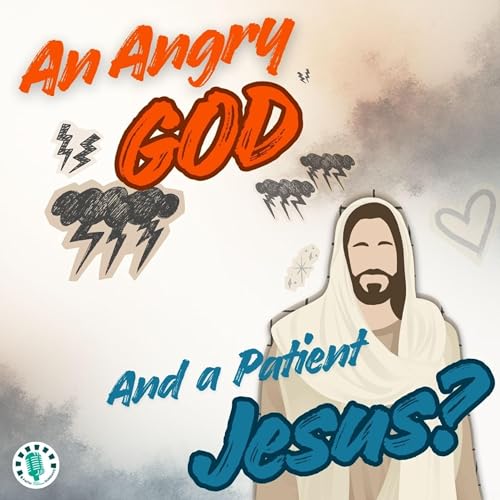
  • An Angry God and a Patient Jesus? | Faith Between Sundays Episode #1
    Dec 9 2025

    An Angry God and a Patient Jesus?Making Sense of God’s Character Across the Testaments

    One of the most common struggles people have when reading the Bible is the feeling that the Old Testament presents a God who is angry, severe, and quick to judge. At the same time, the New Testament shows a Jesus who is patient, gentle, and endlessly loving. Some even wonder, "Are these the same God?"

    It's an understandable question. If you lift certain verses out of their context, especially from the Old Testament, you can easily build a collage of God's judgment that seems overwhelming. But a collage isn't a story. Scripture tells a story. Once we zoom out, a far clearer picture emerges.


    Mehr anzeigen Weniger anzeigen
    32 Min.
Noch keine Rezensionen vorhanden