


Echoes of Heresy
Artikel konnten nicht hinzugefügt werden
Der Titel konnte nicht zum Warenkorb hinzugefügt werden.
Der Titel konnte nicht zum Merkzettel hinzugefügt werden.
„Von Wunschzettel entfernen“ fehlgeschlagen.
„Podcast folgen“ fehlgeschlagen
„Podcast nicht mehr folgen“ fehlgeschlagen

Echoes of Heresy
-
Gesprochen von:
-
Von:
-
Andy Altschuler
Über diesen Titel
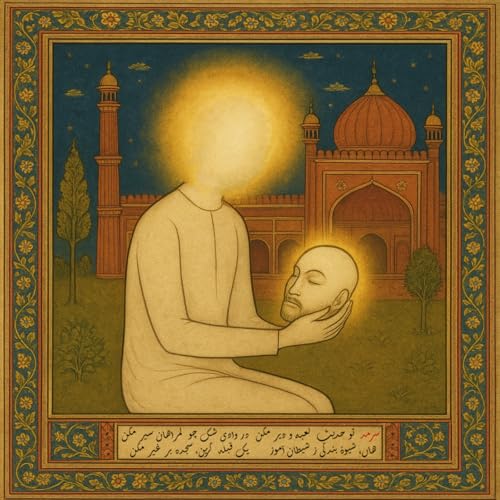
Echoes of Heresy – a podcast about spiritual dissent, divergent beliefs and doctrinal conflict across time and tradition.
In each episode the host, Andy Altschuler, looks into the stories of heterodox thinkers, movements or systems from various places, epochs and traditions. He also explores doctrinally problematic, controversial or insufficiently defined theological concepts and ritual practices within the mainstream religious frameworks.
From visionary cosmologies and mystical dissidents to folk saints, philosophical provocateurs, and long-buried sects, each episode dives into a story of a particular movement or sect, theological concept or trend, heterodox thinker or strain of thinkers, with references to primary and secondary sources, highlighting curious facts and crucial details.
It’s not strictly academic, but grounded in scholarship. Not esoteric, not sensationalist, not pushing any ideology — just curious, evidence-based exploration of the ways belief resists boundaries, shapes and shakes the world's spiritual traditions.
Listener feedback is always welcome.
Email: echoesofheresy@gmail.com
Echoes of Heresy
-
 Feb 16 202640 Min.
Artikel konnten nicht hinzugefügt werden
Leider können wir den Artikel nicht hinzufügen, da Ihr Warenkorb bereits seine Kapazität erreicht hat.Der Titel konnte nicht zum Warenkorb hinzugefügt werden.
Bitte versuchen Sie es später noch einmalDer Titel konnte nicht zum Merkzettel hinzugefügt werden.
Bitte versuchen Sie es später noch einmal„Von Wunschzettel entfernen“ fehlgeschlagen.
Bitte versuchen Sie es später noch einmal„Podcast folgen“ fehlgeschlagen
„Podcast nicht mehr folgen“ fehlgeschlagen
-
 Jan 7 202652 Min.
Artikel konnten nicht hinzugefügt werden
Leider können wir den Artikel nicht hinzufügen, da Ihr Warenkorb bereits seine Kapazität erreicht hat.Der Titel konnte nicht zum Warenkorb hinzugefügt werden.
Bitte versuchen Sie es später noch einmalDer Titel konnte nicht zum Merkzettel hinzugefügt werden.
Bitte versuchen Sie es später noch einmal„Von Wunschzettel entfernen“ fehlgeschlagen.
Bitte versuchen Sie es später noch einmal„Podcast folgen“ fehlgeschlagen
„Podcast nicht mehr folgen“ fehlgeschlagen
-
 40 Min.
Artikel konnten nicht hinzugefügt werden
Leider können wir den Artikel nicht hinzufügen, da Ihr Warenkorb bereits seine Kapazität erreicht hat.Der Titel konnte nicht zum Warenkorb hinzugefügt werden.
Bitte versuchen Sie es später noch einmalDer Titel konnte nicht zum Merkzettel hinzugefügt werden.
Bitte versuchen Sie es später noch einmal„Von Wunschzettel entfernen“ fehlgeschlagen.
Bitte versuchen Sie es später noch einmal„Podcast folgen“ fehlgeschlagen
„Podcast nicht mehr folgen“ fehlgeschlagen