• Beaconsfield Election 2025: Martin St-Jean on Transparency & Good Governance
    Oct 17 2025

    Beaconsfield heads toward a pivotal municipal election on Sunday, November 2. This episode digs into housing options, transparency at city hall, fiscal responsibility, and how decisions actually move from idea to action. The goal is simple: give residents clear context before they vote.

    Who Is Martin St-Jean

    A Beaconsfield resident since 2009, Martin is a lawyer focused on municipal law, ethics, and governance. He previously served in senior legal roles for Montréal and Westmount, including work connected to the Charbonneau Commission. Elected to Beaconsfield council in 2021, he argues that council experience equips him to “hit the ground running” on day one.

    Vision For Growth And Housing

    Martin supports “gentle” density in targeted nodes without changing Beaconsfield’s single-family character. He highlights opportunities near Beaurepaire Village and around the shopping mall and train station, where mixed-use and transit-adjacent homes could create options for downsizers and young families. He stresses pacing, location, and fit with neighborhood context over blanket up-zoning.

    Transparency Residents Can See

    Residents want to know how decisions are made, not just how votes are counted. Martin proposes publishing succinct caucus topic summaries, next steps, and mandates given to administration. He points to Westmount’s practice as proof that clearer communication is workable and helps reduce confusion and division.


    Putting Numbers In Plain Language

    Major contract approvals often feel abstract. Martin wants the city to explain scope, cost versus estimates, market conditions, timelines, and the specific streets or sectors affected. He believes residents accept costs more readily when they understand what they’re paying for and when the work will happen.


    Lessons From Recent Developments

    The Atomas project near the mall illustrates both the promise and pitfalls of private development. Martin notes new bylaw tools that push promoters to build within stated timelines. The Elm Plaza experience underscored the need for early engagement. His takeaway is direct: communicate early, listen actively, and adapt projects to the community rather than asking the community to adjust to a fixed plan.


    Clearer Rules For Permits And Design

    Architectural integration decisions are inherently subjective. A citizen committee evaluates fit with the streetscape, and projects may need multiple iterations. Martin supports keeping this resident-driven review while clarifying expectations to cut repeat submissions and speed decisions, even when the answer is no.


    The Agglomeration And The Lawsuit

    Beaconsfield’s legal challenge over the agglomeration cost-sharing remains active and, in Martin’s view, strong. He favors staying the course while building a united front with demerged municipalities to seek fairer governance and taxation. He frames the current agglomeration voting structure as imbalanced and calls for reforms that give residents a meaningful voice.


    Patience, Process, And Priority Setting

    City projects take time. Between budgeting, social acceptability, and design, progress is incremental by design. Martin argues that steady evolution—not upheaval—delivers durable results, provided the city communicates each step clearly and invites residents into the process earlier.


    A Call To Participate

    Turnout is historically low in municipal elections. Martin urges residents to learn about each candidate, engage with the ideas, and vote. With a new mayor guaranteed and several council seats turning over, the choices made now will shape Beaconsfield’s next chapter.


    Connect With The Guest

    Phone: (514) 791-6674

    Email: martin@mst-jean.ca

    Website:

    Mehr anzeigen Weniger anzeigen
    46 Min.
  • Frank Merhar on Beaconsfield’s Future: Growth, Taxes, Transparency
    Oct 17 2025

    Scott sits down with Beaconsfield resident and mayoral candidate Frank Merhar to talk growth, transparency, and the practical steps needed to fund and deliver city projects. The conversation focuses on how to modernize services without losing the city’s character, and how clearer rules can reduce friction for residents and small businesses.

    Why Frank Is Running

    Frank traces his long ties to Beaconsfield and shares a story about finding a four-leaf clover on the day he filed his candidacy—an encouraging nudge from his late mother. He frames the campaign around service, collaboration, and problem-solving at street level.

    Vision for Smart Growth

    Beaconsfield needs growth that matches its scale. Frank supports mixed-use, village-style development, with moderate height and neighborhood-friendly design. He points to examples like Pointe-Claire’s village as models for revitalizing local commerce while keeping a small-town feel.

    Permits and Planning That Work

    Residents and entrepreneurs should face clear, consistent rules. Frank calls for a predictable permitting process, an end to moving goalposts, and design guidelines that are transparent and easy to follow. The goal is to encourage investment instead of scaring it away.

    Housing Choices Without High-Rises

    The city needs more options for seniors, downsizers, and young families. Frank supports modest townhomes and low-rise, mixed-use buildings near services—walkable, human-scale, and aligned with Beaconsfield’s character.

    Infrastructure and Flood Readiness

    Growth depends on reliable infrastructure. Frank outlines upgrades to water supply, sewer capacity, stormwater management, and selective undergrounding of utilities near the tracks. He links these projects to long-term resilience and day-to-day quality of life.

    Financing Beyond the Tax Bill

    New revenue should not fall only on homeowners. Frank proposes sponsorships for civic facilities, user fees for non-resident amenities, targeted grants, and donor partnerships—structured with strict oversight and public reporting.


    Transparency and Communication

    City Hall must share more than vote tallies. Frank backs detailed summaries of committee work, timely release of meeting minutes, and accessible reporting on big files. Legal and privacy limits apply, but the default should be open.


    Safety and Accessibility

    Safer crossings, better signage, and smarter traffic calming can protect walkers and cyclists. Frank supports modern crosswalk tech, stronger enforcement near schools, and upgrades on key corridors like Lakeshore.


    Big Projects: Rec Center and Centennial Plan

    Frank supports strong community assets but wants hard numbers before shovels hit the ground. He calls for tighter cost controls, clearer tenders, and diversified funding so major builds don’t strain residents.


    Regional Issues and Lawsuits

    Frank supports resolving the agglomeration dispute with fresh eyes and a collaborative tone. He questions the volume of resident-targeted legal actions and favors case-by-case review to reduce waste and rebuild trust.


    Final Takeaway

    Beaconsfield can grow while staying Beaconsfield. With clear rules, transparent decisions, and reliable infrastructure, the city can welcome new homes and businesses, protect its neighborhoods, and keep costs in check.


    Connect with the Guest

    Learn more and reach out to Frank on Instagram: https://www.instagram.com/cfmerhar/?hl=en

    Mehr anzeigen Weniger anzeigen
    57 Min.
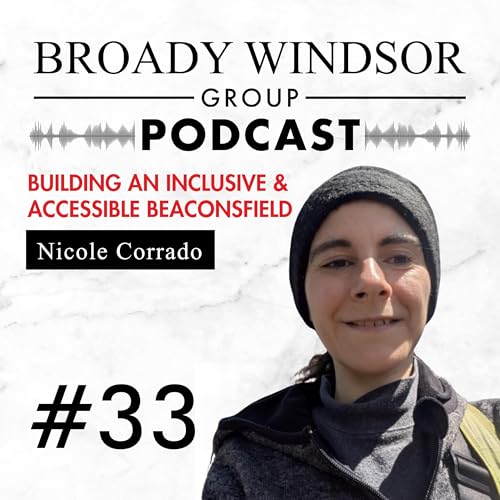
  • Inside Mayoral Candidate Nicole Corrado’s Vision for a More Inclusive & Accessible Beaconsfield
    Oct 17 2025

    Nicole moved to Beaconsfield in 2023 seeking a quieter, community-focused life after Toronto. She’s running for mayor to ensure voters have a real choice and to push for a city that’s accessible, inclusive, and transparent. Her platform is shaped by lived experience, including navigating the city without a car and advocating for residents who are often overlooked.

    Accessibility and Transit

    Nicole highlights safety concerns on key arteries and the need for more frequent, connected public transit. She proposes new bus routes along Elm Street and Beaconsfield’s north–south corridors to better link neighborhoods and services. She also calls for practical accessibility upgrades at train stations, from simple ramps where feasible to larger infrastructure projects funded with provincial support.

    Open Government and Real Participation

    City decision-making should be visible and accessible. Nicole would open currently closed committee meetings to the public and offer hybrid Zoom access using webinar controls to enable safe, interactive participation. She points to Halifax as a proven model and argues that transparency helps residents understand budgets, priorities, and outcomes.

    Animal Services with Heart

    Beaconsfield’s small pound is underused and invisible to residents. Nicole proposes transforming it into a public-facing hub: a pet food and supply bank, microchip and vaccine clinics supported by donations, and an education room in partnership with the library. She would collaborate with regional and national organizations to promote humane education and coexistence with wildlife.


    Affordability and Inclusive Housing

    Affordability is a growing concern across the city. Nicole supports ending “no-pet” clauses locally where possible, encouraging accessible design in any new builds, and creating a registry of accessible and pet-friendly rentals. Rather than large luxury projects, she favors gentle density: legalizing more basement, garage, and attic apartments, and adding mixed-use zoning so upper floors of commercial buildings can become homes.


    Safer, Smarter Community Response

    Many police calls relate to mental health, not crime. Nicole proposes a civilian, health-led crisis response modeled on Toronto’s Community Crisis Service, operated through health agencies and social workers rather than police. She would also restore volunteer search-and-rescue capacity to complement first responders and reduce policing costs tied to non-criminal calls.


    Neuroinclusion and Local Hiring

    Inclusion means more than services—it includes who gets hired. Nicole supports paid roles for neurodivergent residents across city departments and applauds steps toward a neuro-affirming new library. Her goal is a municipal workforce that reflects the full diversity of Beaconsfield.


    Preserving Green Space and Managing Water

    Angel Woods and other natural areas are essential for well-being and wildlife. Nicole supports preserving forests, daylighting culverted streams where feasible, and using “sponge city” strategies—wetlands, marsh and bog gardens, permeable surfaces—to reduce flooding. She encourages residents and the city to adopt nature-based water management on private and public land.


    Food Security and Dignity

    Healthy food should be accessible. Nicole proposes expanding community gardens and supporting affordable markets in both Beaurepaire and Beaconsfield North. She points to successful dignity-based models that combine donations with choice, allowing families to shop for fresh, nutritious options at subsidized prices.


    A Five-to-Ten-Year Vision

    Nicole wants a Beaconsfield where people of all ages, abilities, incomes, and backgrounds feel seen and supported. She imagines connected transit, open decision-making, humane animal care, gentle infill housing, responsive...

    Mehr anzeigen Weniger anzeigen
    40 Min.
  • Inside Greg Orleski’s Run for Mayor: A Vision for Beaconsfield’s Future
    Oct 13 2025

    Host Scott Broady sits down with longtime Beaconsfield resident and mayoral candidate Greg Orleski to unpack how the city can evolve without losing what makes it special. The conversation covers growth, fiscal management, transparency at City Hall, densification around transit, and practical ways to fund infrastructure while protecting Beaconsfield’s green character and small-town feel.

    Why Beaconsfield Matters to Greg

    Greg shares why he chose Beaconsfield 25 years ago—nature, fresh air, water access, community spirit, and quality of life—and why those pillars are non-negotiable. His goal is to preserve them while guiding thoughtful, resident-driven change.

    A Vision for Growth Without Losing Our Soul

    Greg supports modernizing amenities and creating a vibrant cultural hub near Centennial Park and Lord Reading, while ensuring the park’s trees and beach stay intact. He emphasizes projects that enhance community life, keep the village feel, and attract small businesses without turning Beaconsfield into a high-rise city.

    Fiscal Responsibility and New Revenue Paths

    With a primarily residential tax base, Greg outlines a pragmatic approach: optimize city-owned assets like Centennial Hall and the rec center for revenue, aggressively pursue provincial and federal grants with ready-to-execute plans, and use partnerships and shared services with neighboring cities to reduce costs and stretch every dollar further.


    Transparency, Communication, and Trust

    Greg argues that communication is the foundation of good governance. He proposes a multi-platform strategy—regular town halls, open Q&As, Zoom sessions, and plain-language updates—so residents understand context before decisions are made. He favors opening caucus discussions to the public whenever legally possible, and clearly explaining any confidentiality limits.


    Smart Densification, Not High Rises

    Greg supports low-rise, human-scale housing near transit and key corridors such as St-Charles and Elm. The aim is to create options for right-sizers and young adults who want to stay local, while blending architecture with existing neighborhoods and encouraging mixed-use areas that support walkability and local shops.


    Safeguards for Development and Lessons Learned

    Referencing stalled or problematic projects, Greg stresses early community dialogue, sensible developer conditions, practical and enforceable contracts, and ongoing monitoring. He highlights resilience standards that reflect today’s climate realities, so new builds and infrastructure can handle heavier storms and flooding.


    A Faster, Clearer Path for Homeowners and Builders

    Greg wants a permit process that is predictable and time-bound. He suggests clear visual design guides by neighborhood, pre-submission meetings to align before filing, and published review timelines—protecting Beaconsfield’s character while reducing costly back-and-forth for residents and contractors.


    Collaboration That Delivers Results

    Drawing on his nonprofit leadership and coalition-building work in the West Island, Greg explains how shared vision, diverse partners, and grant readiness can unlock ambitious community projects. He believes these same tactics can fund Beaconsfield’s recreation upgrades and infrastructure needs sooner, not later.


    Negotiating the Agglomeration Dispute

    With decades of complex litigation experience, Greg favors pursuing negotiated outcomes that bring money back to Beaconsfield earlier—without abandoning the city’s claims—so funds can be reinvested into community priorities while avoiding years of uncertainty.


    Community Engagement Beyond Election Season

    Greg envisions ongoing conversations with residents—online and in person—so participation becomes habitual, not episodic. He wants the city to proactively invite...

    Mehr anzeigen Weniger anzeigen
    49 Min.
  • What to Do When a Parent Becomes Incapacitated
    Sep 30 2025

    This episode explores why families must start planning for incapacity before a crisis hits. Scott and Nada walk through the legal consequences of waiting too long — especially when it comes to selling a home, managing finances, or accessing medical records for an incapacitated loved one.

    Legal inaction can lead to delays, stress, and costly consequences during already emotional moments.

    📝 Wills, Mandates & Power of Attorney: What’s the Difference?

    Nada explains the major distinctions between the three documents:

    • Will: Comes into effect after death. Outlines asset distribution and guardianship for minors.
    • Power of Attorney: Grants someone the authority to manage your finances while you're still of sound mind.
    • Mandate of Protection: Activates only after incapacity and includes authority over both financial and medical decisions.

    Pro Tip: Having a will doesn't protect you during incapacity. You need a separate mandate.

    🧠 What Is Incapacity and How Is It Declared?

    Nada breaks down the definition of incapacity, which often involves cognitive decline (e.g., Alzheimer’s or dementia).

    To officially declare someone incapacitated, two assessments are required:

    • A medical evaluation from a doctor
    • A psychosocial report from a licensed social worker

    Only after these can a mandate of protection be homologated and put into effect.

    🔒 Homologation: The Step Everyone Misses

    Homologation is the legal process of activating a mandate. Without it, even a valid mandate won't be accepted for selling a home or managing bank accounts.

    Real estate impact:

    If a parent is incapacitated and the mandate isn’t homologated, notaries will not sign off on a property sale — causing long delays.

    ⚠️ What Happens Without a Mandate?

    If no mandate is in place, the court must intervene and assign a legal representative through a tutorship. This is a more complex, time-consuming process and requires:

    • Formation of a tutorship council (3 members + 2 substitutes)
    • Court approval for any financial transactions over $40,000
    • Additional reporting and verification steps

    Result: More red tape, more stress, and longer delays.

    👨‍👩‍👧‍👦 Who Should Be on Your Advisory Team?

    Nada recommends building a trusted support network early. This may include:

    • A notary who specializes in mandates and homologations
    • A family doctor or geriatric physician
    • A social worker for assessments
    • A financial advisor or wealth manager
    • Your real estate broker
    • An accountant or estate lawyer

    Best practice: Get everyone on the same page before a crisis occurs.

    💡 Real-Life Examples & Lessons Learned

    Scott shares personal and professional stories where lack of preparation led to:

    • Frozen bank accounts
    • Property sales blocked for over a year
    • Family members scrambling to establish tutorship
    • Loss of healthcare benefits due to inability to file taxes

    Nada shares how even a simple mandate could have prevented these outcomes.

    ✅ Bottom Line: Plan Early, Plan Smart
    • Have open conversations with parents and loved ones while they are still of sound mind
    • Draft a will and mandate of protection
    • Homologate the mandate as soon as incapacity begins
    • Build a support team of professionals to help guide the process

    🎧 Listen if You’re:
    • An adult child caring for aging...
    Mehr anzeigen Weniger anzeigen
    35 Min.
  • How to Help Aging Parents Transition to Senior Living: A Guide for Seniors & Their Families
    May 26 2025
    Helping Seniors Navigate Life Transitions

    In this episode, we sit down with Kate Coulter, a senior lodging consultant and social worker with decades of experience helping families guide aging parents through the emotional and logistical process of downsizing and relocating. Whether you're an adult child supporting your parents, or a senior starting to consider next steps, this episode offers clear, compassionate advice for making the transition with dignity.

    Meet Kate Coulter & GerontoLogis

    Kate shares how her background in community housing and social work led her to acquire GerontoLogis, a company specializing in senior transition services. With a team of trained professionals, they’ve supported thousands of families across the West Island and beyond—free of charge—by helping find the right senior living solutions.

    Spotlight on Villa Beaurepaire

    Kate gives listeners an inside look at Villa Beaurepaire, a nonprofit seniors residence in Beaconsfield offering affordable and community-supported housing. With private apartments, underground parking, daily meals, and social activities, the residence provides autonomy with support. Half of the units are rent-geared-to-income, while the rest remain affordably priced for moderate-income seniors.

    When Is It Time to Talk to Aging Parents?

    Starting the conversation about downsizing or moving can be delicate. Kate explains that ideal timing involves the senior taking initiative—but in reality, adult children often need to observe gently and act with empathy. She walks through subtle ways to notice changes in behavior, self-care, or isolation, and emphasizes approaching these discussions with concern and respect rather than confrontation.

    Debunking the Myths About Senior Residences

    A major roadblock for many is the outdated belief that senior homes are only for the frail or elderly. Kate dismantles this misconception, explaining that many retirement communities are vibrant, amenity-rich spaces for active seniors. Think indoor pools, outings, games rooms, libraries—even golf simulators. Residents enjoy privacy, freedom, and social interaction, with optional support if needed.

    Understanding Categories of Care in Quebec

    Quebec categorizes senior housing based on autonomy, from independent (Categories 1–2) to assisted (Categories 3–4) and ultimately CHSLDs for high-level care. Most listeners will benefit from understanding the range of options available in Category 1 and 2 residences. Kate highlights how matching lifestyle preferences with budget and care needs is part of the process.

    Common Mistakes Families Make

    One of the biggest errors? Waiting too long to seek help. Kate warns that many families contact her only after they’ve reached a breaking point—emotionally, logistically, or financially. She encourages families to involve professionals early, especially if they’re noticing burnout, declining home conditions, or rising care needs.

    Working Together: Lodging Consultants & Real Estate Agents

    Kate and Sean Broady discuss how her services and real estate support go hand in hand. While her team focuses on the emotional and medical aspects of the transition, the Broady Windsor Group often steps in when it’s time to sell the family home. Acting early helps preserve equity and plan for the future, rather than reacting under pressure.

    Staying at Home: Alternatives to Moving

    Not every senior is ready—or willing—to move. Kate walks us through the options for staying at home, including retrofitting the home with lifts or elevators, bringing in home care services, or using technology like monitoring cameras for peace of mind. For many, it’s about balancing safety, autonomy, and the caregiver’s stress load.

    Building Trust Early with Companions

    For seniors resistant to care, Kate suggests a subtle approach: hiring help...

    Mehr anzeigen Weniger anzeigen
    27 Min.
  • Helping Families With Ageing Parents Downsize With Ease | Client Story
    Apr 3 2025
    Helping Agsing Parents Downsize

    In this episode, Scott reconnects with Charles and Helen, past clients who navigated the emotional and logistical challenges of helping an elderly parent transition from their longtime family home. They share their firsthand experience working with the Broady Windsor Group and how the Homeowners Advisory Club was instrumental in making the process smoother and more manageable.

    The Emotional Weight of Downsizing

    Charles reflects on the pressure of managing his own family and business while also caring for ageing parents. His mother was facing dementia, and his father was alone in a large home he could no longer manage on his own. The emotional and logistical burden was immense until he partnered with the BW Group and Helen Mitchell.

    Beyond Real Estate: Full-Service Support

    Charles emphasizes that what stood out most wasn't just the real estate service—it was everything around it. The BW Group provided access to a trusted network of professionals through the Homeowners Advisory Club. Helen, a key resource for helping seniors through this process, acted as a point person, helping to coordinate everything from yard cleanup and handyman services to inspections and moving support.

    Dealing with the Unexpected

    Just days before listing, a major plumbing issue surfaced. Rather than panic, Charles leaned on the team’s network. The problem was handled immediately, saving time, stress, and further delays. For Charles, it was the reassurance of knowing someone had his back, even during emergencies.

    Strategy and Speed: Getting to Sold

    With tax season approaching and another property to manage, Charles needed to sell quickly without compromising on value. Scott guided him through a pricing strategy that created urgency in the market. The result: a successful sale in just two weeks, close to asking price, despite a slower time of year.

    The Value of Trusted Advice

    Having previously sold a property in the U.S., Charles had a benchmark for good service—but working with Scott and his team raised the bar. He appreciated the clarity, honesty, and guidance that helped him avoid costly mistakes. The team’s extra effort made all the difference in a highly stressful situation.

    Helen’s Perspective: From Referral to Trusted Partner

    Helen, who initially connected with the BW Group through a referral, knew immediately Scott was the right choice. She discusses how trust and connection are critical when choosing a realtor, especially when handling sensitive family transitions. Her background working with seniors gave her insight into the unique emotional challenges of downsizing a lifetime’s worth of belongings.

    Pre-Listing Inspection: A Game Changer

    One standout moment was the pre-listing inspection, which uncovered important repairs before the home hit the market. This proactive approach prevented buyer concerns and allowed them to get competitive quotes in advance. Helen calls it a “genius move” that helped avoid surprises and maximize peace of mind.

    A Network That Works Like a Team

    From plumbing and junk removal to estate sale professionals, Helen highlights how BW Group’s network isn’t just a list of names—it’s a collaborative ecosystem. Each provider shares a common mindset focused on service, empathy, and professionalism. That shared vision was critical to the home selling process.

    Supporting Both Generations

    Helen makes an important observation: while the focus may be on helping the seniors, the real impact is felt by the adult children—those juggling careers, parenting, and caregiving. She now sees herself as working for the children, reducing their stress while guiding the parents.

    A Final Word from Charles and Helen

    The episode wraps with heartfelt gratitude. Charles says he’d recommend the BW Group “to anyone in...

    Mehr anzeigen Weniger anzeigen
    21 Min.
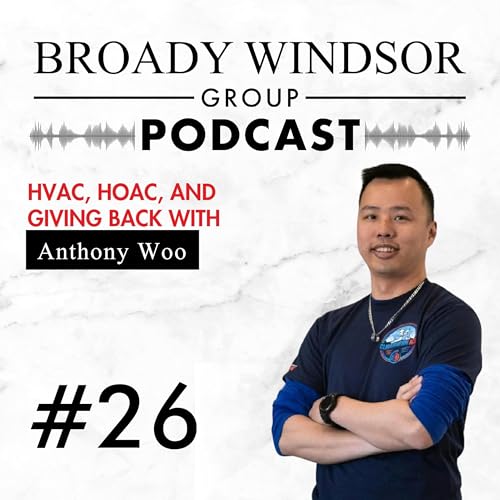
  • The Heating & Cooling Pro Who Cares: Building Trust, Advising Homeowners and Giving Back
    Mar 26 2025

    Anthony Woo, co-founder of Climatisation ACG, shares how his business was built around trust, transparency, and education. Instead of sending a technician right away and charging a service call fee, Anthony troubleshoots with clients over the phone and even uses FaceTime to walk them through common fixes—often solving 75% of issues without ever rolling a truck. This not only saves clients money but builds strong community trust.

    Educating Homeowners One Call at a Time

    Anthony emphasizes proactive maintenance and education. When he sees recurring questions, he turns them into helpful content on his company’s Facebook page. He’s also developing an AI troubleshooting system to guide clients through basic fixes. His goal: to serve more people efficiently, especially during peak season, without compromising on service quality.

    Government Grants and Upgrading from Oil

    Oil heating systems are being phased out in Quebec by 2030. Anthony outlines how homeowners can access Hydro-Québec’s LogisVert grants—ranging from $1,000 to $4,000—for switching to electric heat pumps. He walks clients through every step of the grant process, and in many cases, upgrading just the heat pump (not the furnace) can maximize savings while keeping costs lower.

    Real Estate Implications for Buyers and Sellers

    For sellers, upgrading to electric can improve a home’s value and marketability. For buyers, Anthony recommends securing the grant post-purchase to replace older oil systems. However, the upgrade often requires a 200-amp service, which may involve additional electrical work. Anthony and his team handle the entire process, including safe removal of oil tanks and cleanup.

    The Power of the Homeowners Advisory Club

    As a featured partner in the Homeowners Advisory Club, Anthony credits the Club with helping him grow a values-driven client base. He notes that H.O.A.C. members are informed, trust-focused, and care more about value than the lowest price. He treats every referral as an extension of the club’s reputation—something he doesn’t take lightly.

    Why the Club Was Created

    Host Sean Broady explains the vision behind the Homeowners Advisory Club: to solve three common homeowner problems—what needs to be done, when to do it, and who to trust. The Club connects reliable service providers like Anthony with homeowners, while educating them through content and community. It’s all about protecting the biggest investment most people make: their home.

    Giving Back Through Philanthropy and Community Building

    Anthony shares how ACG gives back through annual initiatives like school supply drives, holiday sponsorships for families, and donations to women’s shelters. He’s also started spotlighting other small business owners in the community to showcase their “why” and support local entrepreneurship.

    The Story Behind the Famous Fur Coat

    Sean introduces the legendary faux fur coat that’s raised nearly $250,000 for the Royal LePage Shelter Foundation. Purchased for $1 at Value Village, it’s auctioned every two years at the Royal LePage National Sales Conference. Sean is part of a coast-to-coast team of Realtors that won the coat this year. He’s using it to raise funds for his next charity trek—this time through Cambodia—to support the West Island Women’s Shelter.

    Final Thoughts

    This episode is a perfect example of how two industries—real estate and HVAC—can come together around shared values: service, education, trust, and community. Whether it’s through Anthony’s innovative client-first approach or Sean’s passion for building connections through the Homeowners Advisory Club, the message is clear: great business is built on great relationships. Homeowners don’t just want to be sold—they want to be empowered. And when professionals lead with transparency, generosity, and heart, everyone...

    Mehr anzeigen Weniger anzeigen
    29 Min.